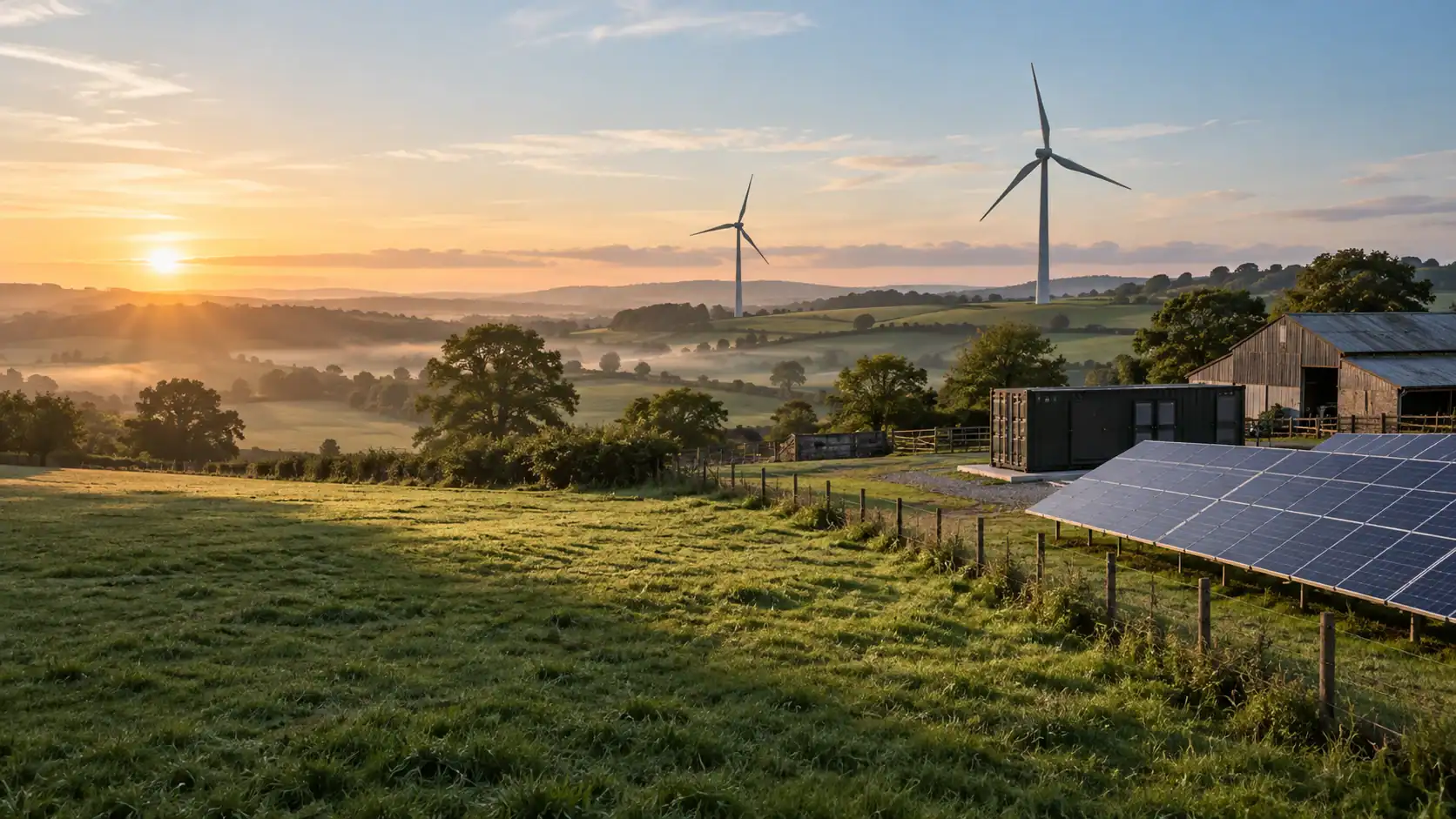
Turn surplus solar, wind, hydro or biogas power into mining income — and put the heat to work where your site can use it. Start with the energy you actually have, then test the numbers.
Different renewables. Different operating patterns.
The strongest starting point is electricity that is genuinely surplus, export-constrained or poorly rewarded, combined with a realistic operating profile. Mining is one option alongside export, storage and other on-site uses.
SOLAR
Make use of the daytime surplus.
Size around usable generation after farm or business demand. Summer power and winter heating rarely line up perfectly; use annual generation data and count storage costs.
WIND & HYDRO
Work with a changing resource.
A controllable load can follow available output. Check seasonal flows, curtailment arrangements and connection limits before choosing how much hardware to install.
BIOGAS & CHP
Add a local electricity customer.
Farm digestion can offer a steadier operating profile. Separate CHP engine heat from miner heat, and assess existing heat uses before adding another system.
ALL MINERS / HIGHEST EARNINGS FIRST
Find a miner that fits your renewable power.
Compare all catalogue miners across algorithms, ordered by highest gross daily earnings for your site inputs. Filter by algorithm, cooling or availability, then select a row to see energy use, its earning asset and the export comparison.
All algorithms · GBP · prices ex VAT
Check the highlighted inputs. Figures are paused until all values are within range.
All catalogue miners, highest gross daily earnings first for your site inputs. Each estimate uses the highest-earning available asset or service for that miner.
A fixed-rate illustration, not a forecast. Annual figures repeat these hours and rates for 365.25 days; use an annual-average operating profile. Excludes tax, financing, depreciation, repairs and any costs you have not entered. No flexibility payments assumed.
Gross p/kWh uses miner electricity only; site kWh and gain include your auxiliary-power allowance. All miner algorithms are included. Each estimate uses the highest-earning available 24-hour asset or service, labelled in its row. Alternative coins are not added together; NiceHash values are labelled as BTC-equivalent. Rows without estimates remain visible. Default order is highest gross £/day for your site inputs; miners outside the power budget have no modelled income. See the calculation method.
AGRICULTURE / RECOVERED HEAT
Let the heat do another job.
From growing spaces to suitable process heat, the opportunity starts with a real demand at the right temperature. Explore the applications and the evidence.
The Lurgan farm and Lent Hill examples show why a local electricity user can matter. Their plant capacities and reported project status are recorded in the archive.
GROWING
Greenhouses and propagation.
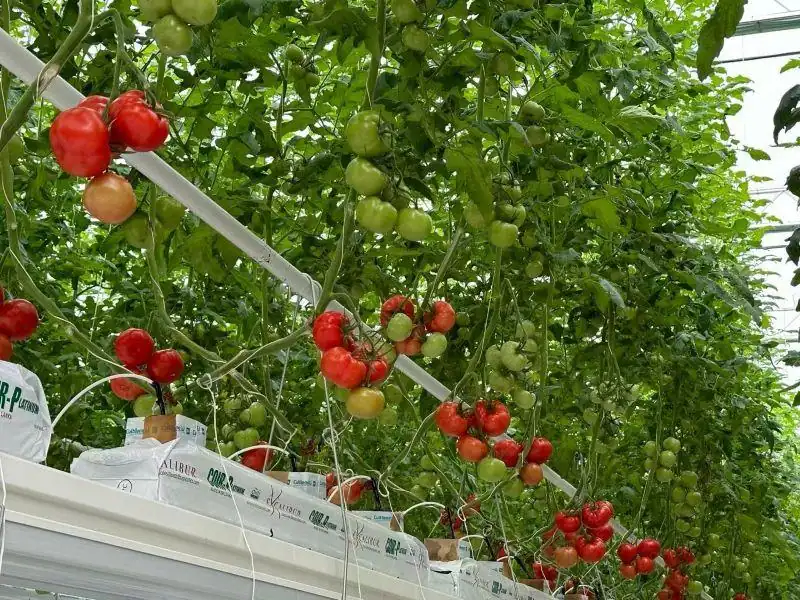
Mining heat can supplement greenhouse heating, but crops still need stable temperatures, humidity management and backup heat. Pilots and modelling are labelled separately.
PROCESSING
Drying and low-temperature process heat.
Firewood drying is documented; crop drying and boiler preheating need process-specific design. Food hygiene, airflow and final moisture targets determine whether heat is useful.
DESIGN THE HEAT USE FIRST
Where could the heat work for you?
Start with the receiving process: how much heat it needs, at what temperature, at what time of year and how far it is from the miners. Air, hydro and immersion cooling offer different routes to capture it.
Where the heat goes
What the design must solve
Evidence in this archive
Greenhouses & propagation
Air ducts or a water loop; temperature and humidity control
Potential fit only after duty, temperature and hygiene checks
Engineering opportunities; no validated case in this archive
Grain drying, digester heating, dairy wash-down, algae and insect cultivation are screening opportunities, not automatically proven commercial Bitcoin applications. Temperature, hygiene and seasonal demand must be established for each site.
ONE INPUT / TWO USEFUL OUTPUTS
Earn from the compute. Use the heat.
A good heat project starts with a real demand. Set your useful-heat percentage in the calculator to see how much energy could reach it.
Where your daily energy goes
Loading the selected scenario…
Your selected miner
Site electricity—
Electricity to miners—
Heat delivered usefully—
—
Useful heat capturedShare of miner electricity in your inputs
Heat is a second use of the miner’s energy, not extra electricity. Only count heat delivered at the right temperature, when your site needs it.
36 detailed blog case studies, including 19 European examples, across renewable generation, agriculture and heat reuse. Explore original-source photographs, project evidence and transparent financial comparisons. Filter the archive or download its CSV. These are external projects and research, not installations claimed by The Mining Shop.
Evidence reviewed 29 September 2026. “Operator reported” means a published account, not an independent site audit or confirmation of uninterrupted operation today. Proposed projects, historical closures and modelling are labelled. This is a broad curated archive, not a claim to list every project worldwide.
36 case studies
No records match. Clear the search or choose another category or status.
Lent Hill Ag-Grid Digital uses electricity from manure and food-waste digestion to supply a flexible mining container. The operator reports a 300 kW grid-export limit alongside a 1 MW mining unit.
Application lesson. Separate engine output, site demand and permitted export when sizing a flexible load.
Evidence limits. Ag-Grid describes crypto mining without naming the mined asset. The account explains how the electricity is used, but does not establish Bitcoin earnings or recovery of heat from the miners.
Irish Farmers Journal visited Tom Campbell’s anaerobic-digestion site and its Scilling Digital Mining installation. The project uses stranded electricity beside a farm biogas plant.
Application lesson. A farm can add a local electricity buyer where export capacity is constrained.
Evidence limits. This account comes from a December 2022 site visit. The 500 kW figure is the AD plant rating, and the report does not measure heat recovered from the miners.
Bitcoin Brabant describes moving industrial miners into a hydrangea greenhouse where heat was useful. Its retrospective explicitly says the family-run greenhouse operation ceased in 2023.
Application lesson. Cheap electricity and a nearby heat customer must coincide for the business case to work.
Evidence limits. The greenhouse operation ceased in 2023. The retrospective describes an earlier pilot and says that only a few of the enquiries led to worthwhile installations.
Image: Bitcoin Brabant · Source Operator portrait from the retrospective; not a photograph of a currently operating greenhouse. Evidence: 2022 pilot; operator update 10 April 2026 Reviewed: 29 September 2026 · Link to this record
Genesis Mining and Swedish research and municipal partners developed a demonstration linking a mining container with a greenhouse. The project explored local food production using recovered heat.
Application lesson. Crop humidity, ventilation and winter design temperatures matter alongside available heat.
Evidence limits. Greenhouse area and scale-up figures are design or modelling claims, not evidence of annual commercial crop yields. Fish, algae and insect farming are discussed as further applications.
Canaan announced a 24-month proof of concept with Bitforest. Heat from liquid cooled Avalon equipment would preheat greenhouse boiler intake water through a separate heat-exchange loop.
Application lesson. Preheating can complement an existing boiler while preserving its ability to meet peak demand.
Evidence limits. Delivery was conditional on notice to proceed. The 90% heat-capture estimate and 95% uptime are targets; the filing says actual performance will be confirmed after full operation.
Image: Canaan Inc., via SustainableBiz Canada · Source Greenhouse photograph supplied with project reporting; commissioning is not established by this image. Evidence: 6 January 2026 Reviewed: 29 September 2026 · Link to this record
SAIHEAT’s annual report describes a Bitcoin-mining operation in Marietta and greenhouse and fish-pond facilities heated with recovered hot water. Earlier filings also describe an Ohio demonstration facility.
1 MW computing unit · 5,000 ft² greenhouse (2024 report)
Application lesson. Water loops let heat serve more than one nearby agricultural use.
Evidence limits. The company filing documents the deployment. It does not establish commercial fish yields, crop profits or an entirely renewable electricity supply.
MARA reports supplying heat at 55–78°C into an existing district heating network. At milder times, those temperatures allow direct integration without heat pumps.
Application lesson. Match the heating network’s seasonal flow and return temperatures before selecting equipment.
Evidence limits. Operator-reported output, not an independent measurement by The Mining Shop. Carbon-free electricity is not necessarily all renewable.
Application lesson. Include booster electricity and backup plant in the economics of higher-temperature heating.
Evidence limits. Heat-pump output and miner heat must be accounted for separately. Published figures are a site example, not a temperature guarantee for every hydro miner.
Sazmining describes a 2.5 MW site serving a former hospital converted into a business centre. Separate water loops transfer heat to the building, with backup heating retained.
Image: Sazmining · Source Presentation photograph from the operator’s account, rather than a photograph of the Kirkenes installation. Evidence: 28 February 2026; updated 1 March 2026 Reviewed: 29 September 2026 · Link to this record
GDA reports a heat-repurposing collaboration with Muttern Fastigheter that supplies hot air to local buildings using electricity described as hydroelectric.
A Norwegian site report describes Kryptovault directing warm air into containers of firewood for producer Varma. The report identifies a practical drying partnership beside the mining operation.
Application lesson. A nearby drying business can use warm air without needing a higher temperature steam system.
Evidence limits. The January 2022 visit records the arrangement at that time; it does not confirm current operation. Firewood drying conditions cannot be transferred unchanged to food or grain.
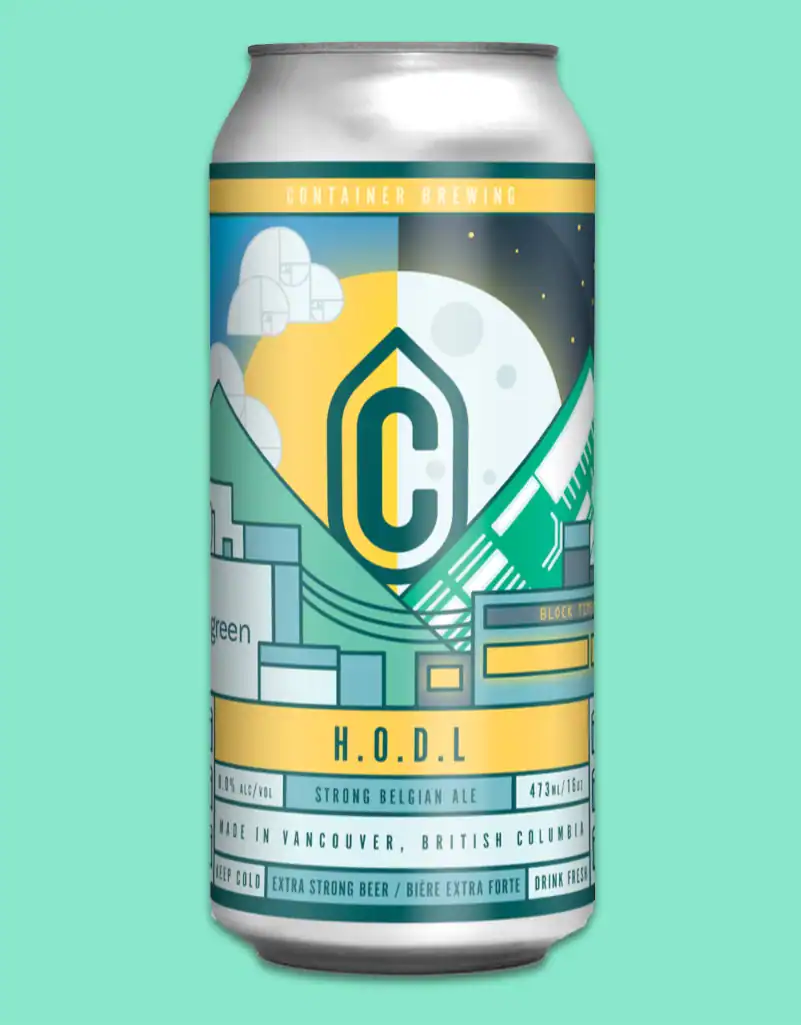
MintGreen’s TUMBLER immersion system is designed for Shelter Point Distillery’s whisky barrel-ageing process. Heat can transfer from the cooling fluid to air or a separate fluid circuit.
Up to 410,000 BTU/h stated heat capacity (about 120 kW)
Application lesson. Boiler feedwater preheating is a useful screening opportunity where recovered water is below process temperature.
Evidence limits. The page uses future tense and does not publish measured heat delivery. Preheating is an engineering interpretation; miners should not be described as generating steam directly.
Image: MintGreen / Container Brewing · Source Partnership product photograph; it does not establish commissioning of the heat system. Evidence: Undated partnership page; reviewed September 2026 Reviewed: 29 September 2026 · Link to this record
Application lesson. Long-duration evaporation can offer a steadier heat demand than space heating.
Evidence limits. Historical partnership announcement. Current operation, delivered temperatures and production savings are not established by this source.
Image: Vancouver Island Sea Salt · Source Producer’s product photography; a completed mining-heat installation is not established by the cited evidence. Evidence: 14 October 2021 Reviewed: 29 September 2026 · Link to this record
MintGreen and Crystal Lagoons describe a memorandum of understanding exploring the use of Bitcoin-mining heat to warm recreational lagoons and extend swimming seasons.
Image: Crystal Lagoons / MintGreen · Source Lagoon photography supplied with the collaboration announcement; it does not establish a completed mining-heat installation. Evidence: Undated MOU page; reviewed September 2026 Reviewed: 29 September 2026 · Link to this record
MintGreen and Sunport Structures describe a collaboration to combine solar infrastructure with Digital Boiler heating for commercial, residential, industrial and agricultural customers.
Image: Sunport Structures / MintGreen · Source Solar-structure photography from the partnership announcement; completed mining integration is not established. Evidence: Undated agreement page; reviewed September 2026 Reviewed: 29 September 2026 · Link to this record
Gridless describes revenue sharing agreements for otherwise unsold renewable electricity. Its controls reduce mining demand when other customers, such as water pumps or maize mills, need the power.
Application lesson. Give productive local demand priority and use mining as a flexible residual buyer.
Evidence limits. A portfolio operating model, not a UK tariff or a promise of free electricity. Revenue shares and infrastructure costs still affect returns.
Image: Gridless · Source Operator-published renewable-generation photograph; not a claim that every Gridless site uses solar. Evidence: 7 February 2025 Reviewed: 29 September 2026 · Link to this record
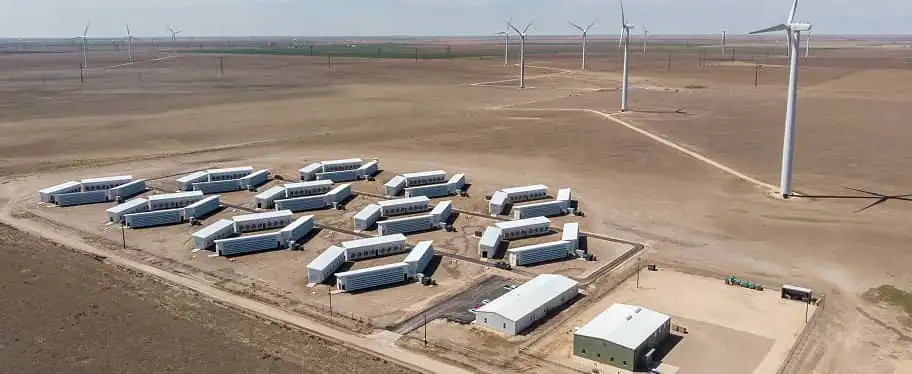
Soluna describes Dorothy 1 as a 50 MW campus in Texas, powered by wind, for Bitcoin mining and hosting. Its power agreements were designed around the wind farm’s curtailment and grid support needs.
MARA’s quarterly filing records its acquisition of a wind farm with 114 MW of nameplate wind capacity and a 240 MW interconnection. The stated aim includes monetising underused sustainable resources.
Blockstream documented construction of a Bitcoin-mining project with Block using Tesla solar and battery infrastructure, intended to demonstrate renewable-powered mining with public operating data.
Image: Blockstream, via Electrek · Source Historical equipment-delivery photograph from May 2022. Evidence: 13 May 2022 Reviewed: 29 September 2026 · Link to this record
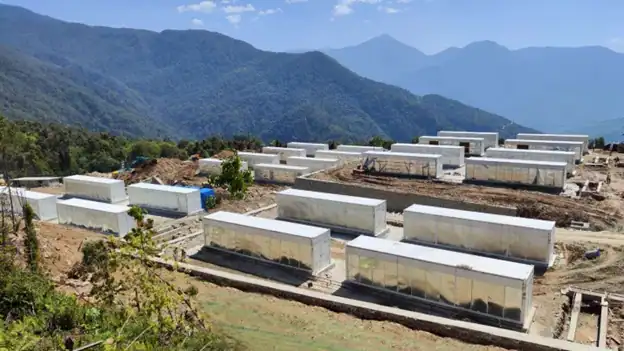
Druk Holding and Investments describes using digital assets, including Bitcoin, to derive value from surplus hydropower while diversifying Bhutan’s energy system.
Evidence limits. A strategic operating account, not a site level kWh or profitability dataset. Country-level results are not transferable to a UK farm.
Image: Bitdeer · Source Historical construction photograph released in June 2023. Evidence: 18 June 2025 Reviewed: 29 September 2026 · Link to this record
BlokBlok describes a warehouse project combining air and immersion mining with the building’s water loop, with mining controlled in response to Nordpool electricity prices.
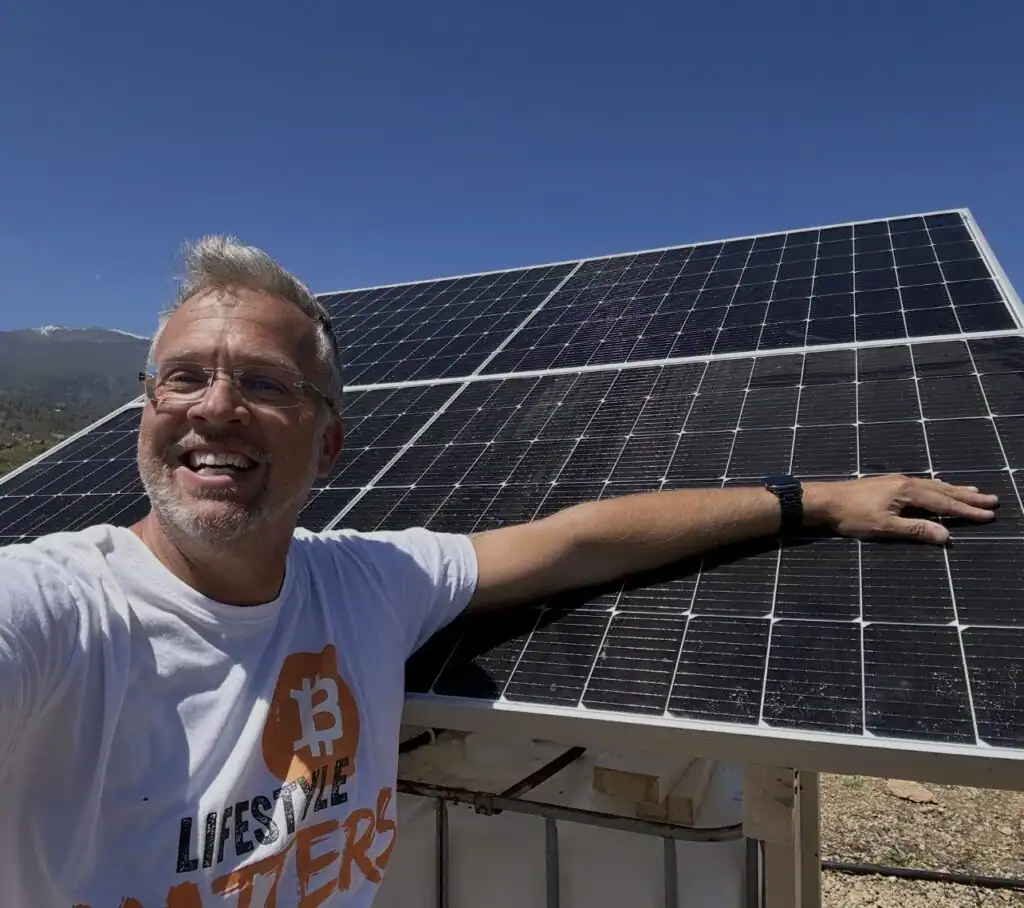
Green Bitcoin Farm describes a developing finca concept linking solar and wind electricity, Bitcoin mining, and drying of moringa, herbs, fruit or spirulina with recovered heat.
Image: Green Bitcoin Farm · Source Developer photography; the proposal’s operating performance is not independently established. Evidence: Project page reviewed September 2026 Reviewed: 29 September 2026 · Link to this record
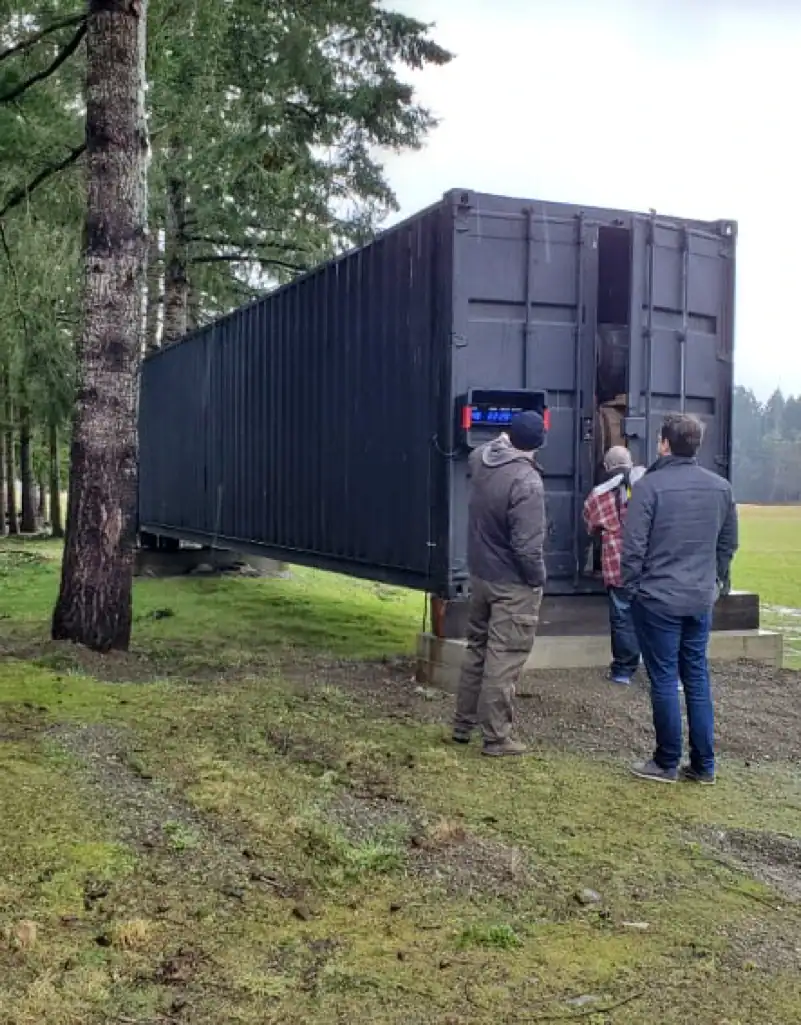
Asgari, McDonald and Pearce experimentally assessed miner heating potential and modelled greenhouse systems at three mining scales across six North American locations.
Application lesson. Heat demand, ventilation, energy prices and Bitcoin assumptions can change feasibility materially.
Evidence limits. The greenhouse economics are modelled scenarios, not six proven commercial installations. Historical equipment and prices need updating.
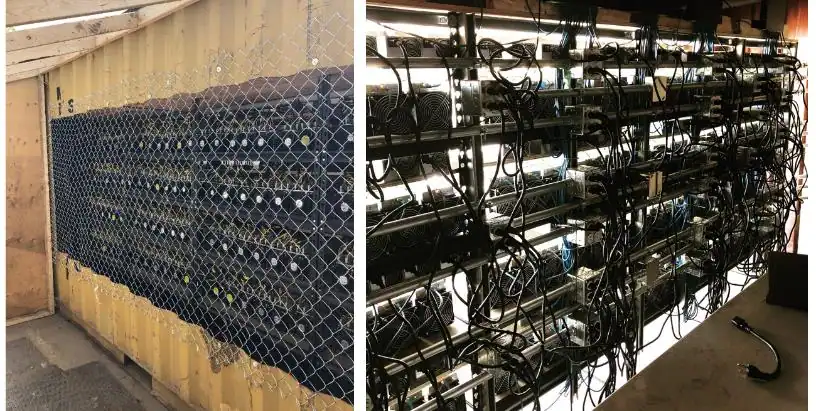
Image: Asgari, McDonald and Pearce (2023), Energies 16, 1331, Figure 3 (CC BY 4.0) · Source Research-source container photographs; the greenhouse results discussed are modelled. Evidence: 27 January 2023 Reviewed: 29 September 2026 · Link to this record
A Bitcoin Park event account records Robert Warren’s experience using an S9 miner for laundry drying and later directing mining heat into his home’s HVAC return.
Image: Bitcoin Park · Source Speaker photograph from the source presentation, not a photograph of the home installation. Evidence: Bitcoin Takeover 2026 Reviewed: 29 September 2026 · Link to this record
27 / Usk, Washington, USAHistorical operation / evolving use
Ponderay Industries reported that Merkle Standard began operating a mining data centre at its paper-mill campus in 2022. The mill had entered bankruptcy in 2020 and was acquired in 2021. This is a reuse of industrial land and power infrastructure, rather than evidence of paper waste being converted into mining fuel.
Application lesson. Investigate the value of an existing industrial connection, buildings and heat demand before assuming a new power plant is necessary.
Evidence limits. Mill restart plans, mining operations and later AI infrastructure plans are different activities. Infrastructure ratings and regional hydropower shares do not establish continuous mining demand, direct renewable supply or project profitability.
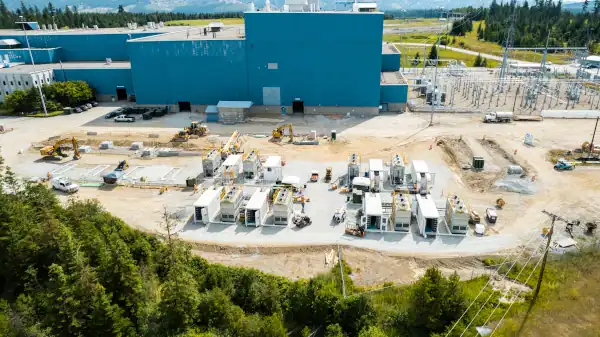
Terahash says its Genesis site went live on 31 October 2024. The 1 MW installation supplies heat to a district network serving industrial and residential demand, with electricity described by the operator as renewable.
Application lesson. A nearby heat buyer can be as important to site selection as a competitive electricity contract.
Evidence limits. The source does not publish an audited annual heat balance or a complete project cash flow. A town’s population is not the number of homes heated by this installation.
Terahash documents a car wash using a 150 kWp PV canopy and up to 20 kW of water cooled mining. Heat serves wash water and winter floor heating. A 2,000-litre hot-water tank and a secondary heat pump help manage demand.
Application lesson. Year-round washing demand can offer a useful heat destination, while a heat pump covers conditions that do not favour mining.
Evidence limits. The promotional revenue range is not a current price quote or measured annual profit. Solar nameplate capacity does not establish the share of mining electricity supplied by solar over a year.
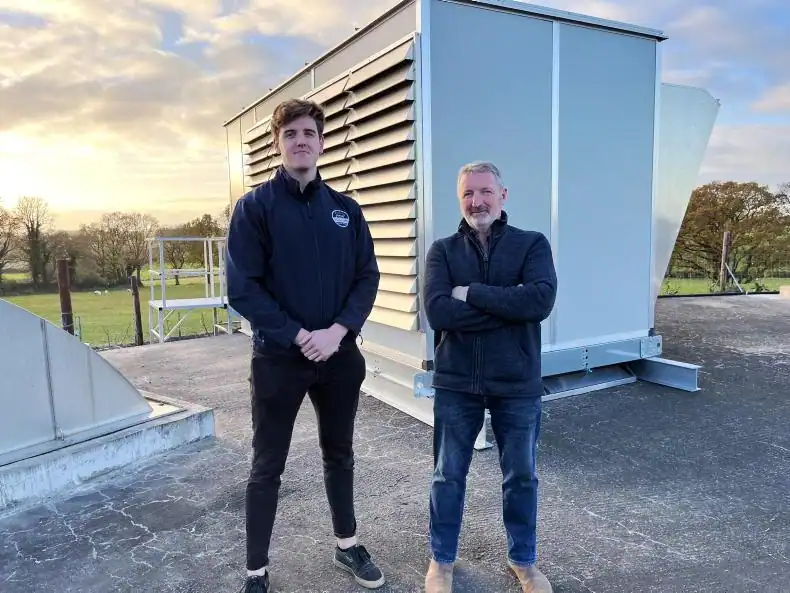
In November 2024, Deutsche Telekom announced a pilot with Bankhaus Metzler at RIVA Engineering in Backnang. Metis Solutions hosts the container and Telekom MMS operates the miners. RIVA has on site photovoltaic generation. The purpose is to collect field evidence for flexible use of surplus electricity.
Application lesson. Instrument a pilot before scaling: record the surplus, export alternative and actual response of the mining load.
Evidence limits. The announcement is not a published operating-results dataset. It does not establish miner capacity, realised returns, grid-service payments or a heat reuse installation.
SunBit describes a 2024 installation in a 3,000 m² industrial hall. Mining heat works alongside an air-to-water heat pump, reducing reliance on oil. The site also has a 30 kW solar array.
SunBit identifies Lekkum as its first international project in 2025. A local team installed a Bitcoin Boiler to replace gas heating at a commercial property.
Application lesson. A local installer and clear service responsibilities matter when integrating specialist computing equipment with an existing heating system.
Evidence limits. The source does not give the miner capacity at this property, an annual energy balance or an independently verified financial return.
SunBit reports fitting a Bitcoin Boiler alongside the oil boiler in a 200 m² Kotka home. An outdoor unit rejects unwanted summer heat and allows additional use of solar surplus.
Application lesson. Hybrid heating can preserve resilience while allowing mining to run only when heat demand or electricity economics justify it.
Evidence limits. The published reference is not a metered annual cost comparison. Keeping an oil boiler does not establish how often either heat source operates.
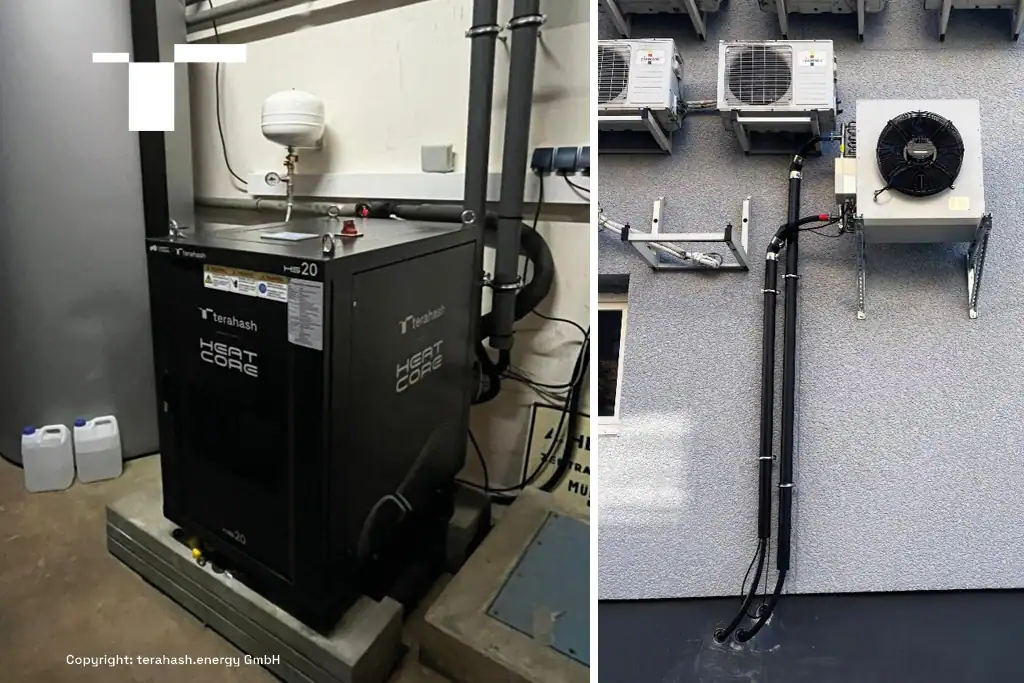
Terahash describes a commissioned system at Nebona’s spice factory: a Heatcore HS20 with two Whatsminer M63 units uses surplus rooftop solar power and supplies hot water to a buffer tank. The existing heating system remains available.
Application lesson. Separate useful building heat from production-process requirements, and prioritise the factory’s productive electricity demand.
Evidence limits. The reference describes building and hot-water integration, not proof that mining heat runs every spice-processing stage. Its historical mining-revenue range is guidance, not a guaranteed yield.
Terahash describes Kläger Group’s Hartha energy park with a 1.6 MWp solar array, a 350 kWh battery and a mining container able to absorb up to 500 kW. The container is intended to buy surplus left by industrial production, with storage and grid export also available.
1.6 MWp solar · 350 kWh battery · up to 500 kW mining
Application lesson. Compare mining, storage and export using the value of the same surplus electricity at the same time.
Evidence limits. Power and stored energy are different quantities. The source does not publish a full dispatch dataset, annual profit or an independently verified saving. Heat recovery is not documented in this reference.
Bathhouse says it began a pool-heating mining pilot in 2022. Its technical explanation describes immersion-cooled ASICs, a dielectric-fluid circuit and heat exchangers that transfer heat into pool plumbing. The comparison is with its previous electric resistance heaters.
Application lesson. A steady pool-heating load can use mining heat for longer than seasonal space heating, provided recovery and water-system separation are designed correctly.
Evidence limits. The comparison with resistance heating does not show that mining uses less electricity than a heat pump. The operator’s account concerns its own installation and does not establish a payback period for other pools.
Evidence: Operator explanation updated 22 April 2024 Reviewed: 29 September 2026 · Link to this record
CALCULATION NOTES
Understand the value of a kWh.
Power is kW. Energy is kWh. A 3 kW miner running for six hours uses 18 kWh before external pumps or cooling. Effective hours equal scheduled hours × availability. The power budget includes your auxiliary allowance.
Gain vs export = mining after pool fee + useful heat credit − export forgone − extra energy costs − other entered running costs
Keep the comparison consistent. Export forgone uses all electricity consumed by the installation, including auxiliary loads. The model assumes that energy could earn your entered export rate. For genuinely curtailed electricity with no alternative buyer or curtailment payment, enter zero. Where only part can be exported, model those hours separately.
Heat credit is an avoided cost, not extra electricity. Useful heat is miner electricity × the useful-heat percentage. That percentage includes recovery losses and whether demand exists at the time. Apply the cost of the heating you actually displace; do not count both heat-sale revenue and an avoided fuel bill for the same heat.
Dates and limitations. Earnings reuse the shop’s underlying mining data service across all miner algorithms. For each miner, the highest available 24-hour earning asset or service is selected and labelled; alternative assets are not added together. NiceHash is labelled as a BTC-equivalent valuation. Missing estimates remain unavailable rather than being treated as zero income. The source timestamp is shown for the selected miner. Future coin prices, network difficulty, reward halvings and hardware degradation are not forecast. Stock and listed prices can change. Installed costs and export-contract terms require a site-specific quote.
PRACTICAL QUESTIONS
Before you build.
Does renewable electricity make mining free?
No. Electricity may have an export value, and the installation still has purchase, cooling, maintenance and operating costs. Even genuinely curtailed power does not make the equipment free.
Can the miners follow solar or wind production?
A suitably designed control system can reduce or stop mining when surplus power falls. The table uses an average operating schedule; a real design needs half-hourly or finer generation data, restart behaviour and a site-load priority policy.
Does one kWh of electricity give one useful kWh of heat?
Nearly all miner electricity eventually becomes heat, but less may be delivered usefully. Capture losses, temperature, pipe or duct losses, seasonal demand and backup operation decide the usable share. A miner is an electrical heat source; it does not multiply heat like a heat pump.
Can I replace a farm boiler with mining heat?
Sometimes it can supply a suitable base load or preheat stage. Preserve backup heat for outages and power-limited periods. High-temperature steam, sanitation and specialist processes may need a booster or a separate heat source.
Are these all proven Bitcoin projects?
No. The archive explicitly separates operator accounts, site visits, demonstrations, proposals and research. The Lent Hill source describes crypto mining without naming the asset; that limitation is recorded. Financial outcomes are not guaranteed or copied into the calculator.
What should I send for an assessment?
Your generation and export profile, import and export prices, connection limits, site location, available space, heat demand and temperatures, plus your budget. For seasonal renewables, a full year of half-hourly data is much more useful than a single sunny-day output.
FROM IDEA TO A SITE-SPECIFIC PLAN
Bring your energy data. We’ll work through the fit.
Start with generation, your export contract, available power and a real heat load. We can help shortlist equipment and assess the electrical, cooling and operating requirements.
We use necessary cookies to run the shop and optional analytics cookies to understand how visitors use the site and improve shopping and checkout. You can accept analytics, use only necessary cookies, or choose settings. You can change your choice at any time.
Functional
Always active
The technical storage or access is strictly necessary for the legitimate purpose of enabling the use of a specific service explicitly requested by the subscriber or user, or for the sole purpose of carrying out the transmission of a communication over an electronic communications network.
Preferences
The technical storage or access is necessary for the legitimate purpose of storing preferences that are not requested by the subscriber or user.
Statistics
The technical storage or access that is used exclusively for statistical purposes.The technical storage or access that is used exclusively for anonymous statistical purposes. Without a subpoena, voluntary compliance on the part of your Internet Service Provider, or additional records from a third party, information stored or retrieved for this purpose alone cannot usually be used to identify you.
Marketing
The technical storage or access is required to create user profiles to send advertising, or to track the user on a website or across several websites for similar marketing purposes.