

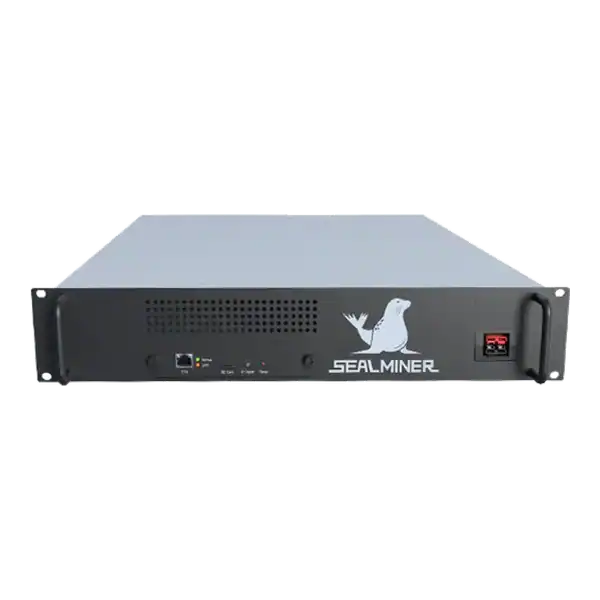
Sealminer A4 Ultra Hydro
Bitcoin & Bitcoin Cash ASIC Miner

886TH
HASHRATE
9.45W/TH
EFFICIENCY
8373W
POWER
£884.77
EST. MONTHLY
NO PAYBACK
EST. ROI
Terahash documents a car wash using a 150 kWp PV canopy and up to 20 kW of water cooled mining. Heat serves wash water and winter floor heating. A 2,000-litre hot-water tank and a secondary heat pump help manage demand.
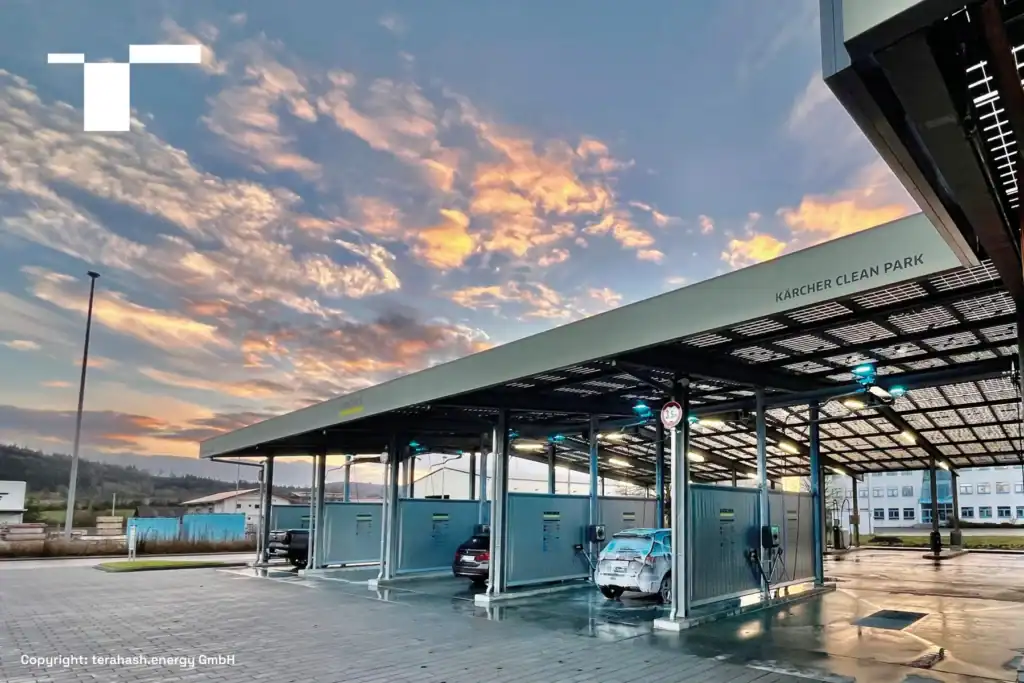
Image: Terahash · Original source.
Renewables and heat reuse
Terahash documents a car wash using a 150 kWp PV canopy and up to 20 kW of water cooled mining. Heat serves wash water and winter floor heating. A 2,000-litre hot-water tank and a secondary heat pump help manage demand.
About 5 minutes to read
Terahash's Münsingen account combines a 150 kWp solar canopy with up to 20 kW of mining, a 2,000 litre hot water tank and a secondary heat pump. Recovered heat serves wash water and winter floor heating. Washing gives the installation a heat use beyond the coldest months, although demand still changes with customer numbers and opening patterns.
“On sunny days, when the car wash is running at full capacity, we even generate a surplus of electricity.”
Solar output and wash water demand will not match perfectly. The tank can bridge some of the difference, and the heat pump provides another heating option. A fair comparison asks what it would cost to deliver the same water temperature and volume using that alternative. Savings from the separate water recycling system should stay outside the mining calculation.

The calculation below uses assumed UK prices to show how the costs fit together. It is our example, not this project’s reported earnings. Replace the inputs with current machine estimates and the costs at your own site.
Illustrative UK calculation
1,000 kWh used by miners, plus 50 kWh for pumps and fans. All amounts in pounds.
Operating contributionBefore equipment and installation costs
£51.905.19p per miner kWh
Here, using the electricity for mining gives up a 5p/kWh export payment. That cost includes the 50 kWh used by pumps and fans. It is the value of an alternative sale, so it is not also charged as a grid electricity bill. The example assumes the generation equipment already exists.
| Mining income | 8p per miner kWh; an assumed rate, not a live earnings estimate |
|---|---|
| Electricity | 5p/kWh × 1,050 kWh = £52.50 |
| Pool fee | 2% of gross mining income |
| Useful heat | 60% of miner electricity = 600 kWh; valued at 6p per delivered kWh |
| Other running costs | £10 per 1,000 miner kWh; an allowance to replace with your own costs |
| Costs still to add | Equipment, installation, finance, tax, depreciation, major replacements and any costs above the allowance |
The contribution is what remains from mining income and useful heat after the stated running costs. It is not net profit: the equipment and other excluded costs still have to be recovered. Pumps and fans use electricity but earn no mining income in this calculation.
| Gross income per miner kWh | Without heat value | With useful heat |
|---|---|---|
| 5p | −£13.50 | £22.50 |
| 8p Chart example | £15.90 | £51.90 |
| 11p | £45.30 | £81.30 |
These are two ways to read the same example. Adding equipment costs or a larger maintenance allowance raises the income needed and reduces the electricity price the project can afford.
Use the heating system you would actually choose as the comparison. For example, a heat pump using electricity at 20p/kWh with a seasonal COP of 3 has an electricity cost of about 6.67p per kWh of heat. A resistance heater at that tariff uses 20p per kWh of heat. These are calculation examples, rather than measurements from this project.
For an annual estimate, use the miner electricity expected during hours when running makes sense. Scale the contribution by annual miner kWh divided by 1,000, then deduct fixed annual costs. Recalculate if electricity prices, mining income or usable heat change.
Simple payback is the total installed cost divided by positive annual cash contribution. There is no payback under a scenario with zero or negative contribution. The sources reviewed here do not provide the full project accounts needed to calculate an actual payback for this installation.
Year-round washing demand can offer a useful heat destination, while a heat pump covers conditions that do not favour mining.
Meter wash-water volume and temperature, useful recovered heat, PV generation, imports, heat pump input and mining income. Include tank losses and quiet periods.
Try your own electricity and heat figures
Compare available miners and dated earnings estimates. Include heat only where you can use it or have a customer for it.
Sources checked on 29 September 2026. Project facts and quotations come from the publications below; the UK calculations and practical assessment are The Mining Shop’s analysis. This article is based on published material, rather than a site visit.
Photographs: Terahash (source).


Bathhouse says it began a pool-heating mining pilot in 2022. Its technical explanation describes immersion-cooled ASICs, a dielectric-fluid circuit and heat exchangers that transfer heat into pool plumbing. The comparison is with its previous electric resistance heaters.

Terahash describes Kläger Group’s Hartha energy park with a 1.6 MWp solar array, a 350 kWh battery and a mining container able to absorb up to 500 kW. The container is intended to buy surplus left by industrial production, with storage and grid export also available.
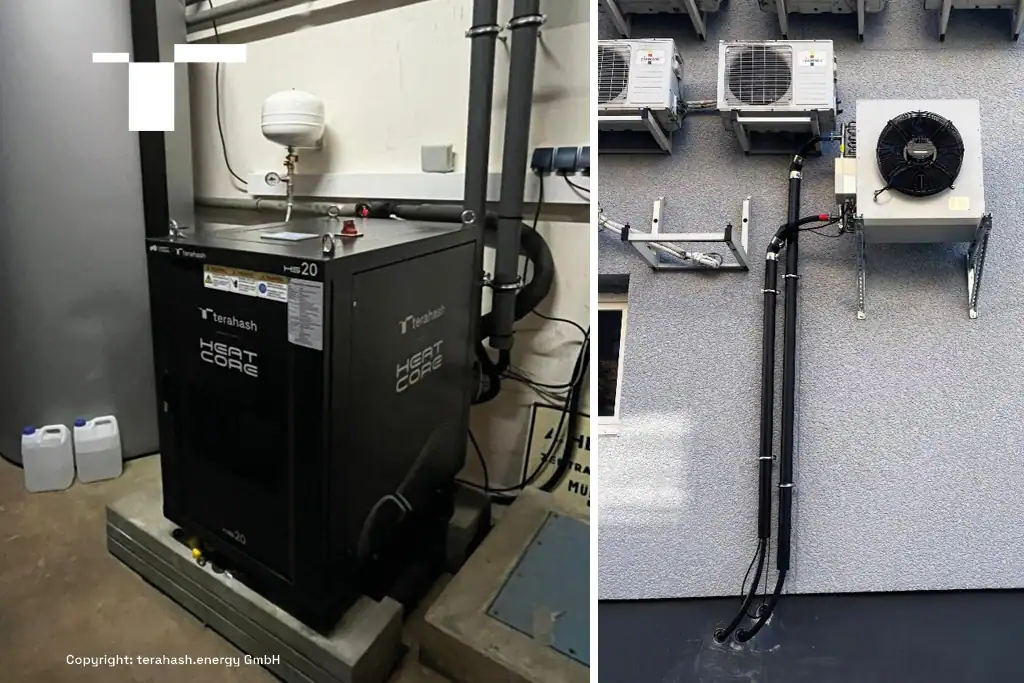
Terahash describes a commissioned system at Nebona’s spice factory: a Heatcore HS20 with two Whatsminer M63 units uses surplus rooftop solar power and supplies hot water to a buffer tank. The existing heating system remains available.
Join the ASIC Mining Discussion
Members can read and join the discussion
Log in to read comments from other miners. Create a free account if you would like to ask a question or share your experience.
Membership helps us protect the discussion from spam and keep answers useful.