

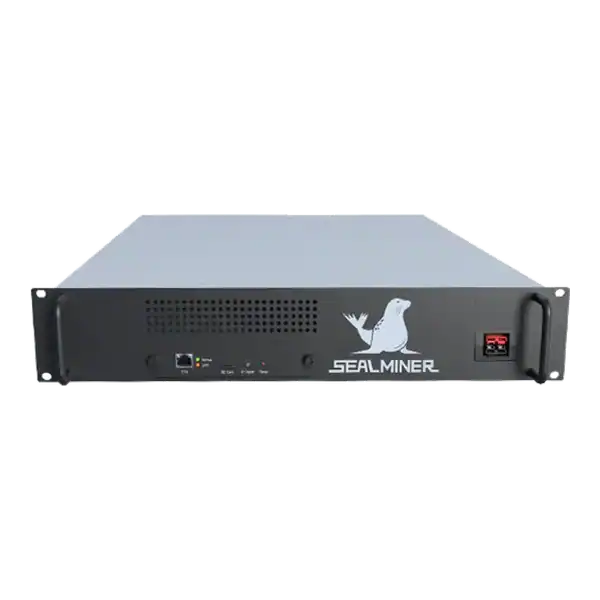
Sealminer A4 Ultra Hydro
Bitcoin & Bitcoin Cash ASIC Miner

886TH
HASHRATE
9.45W/TH
EFFICIENCY
8373W
POWER
£898.19
EST. MONTHLY
NO PAYBACK
EST. ROI
Bathhouse says it began a pool-heating mining pilot in 2022. Its technical explanation describes immersion-cooled ASICs, a dielectric-fluid circuit and heat exchangers that transfer heat into pool plumbing. The comparison is with its previous electric resistance heaters.
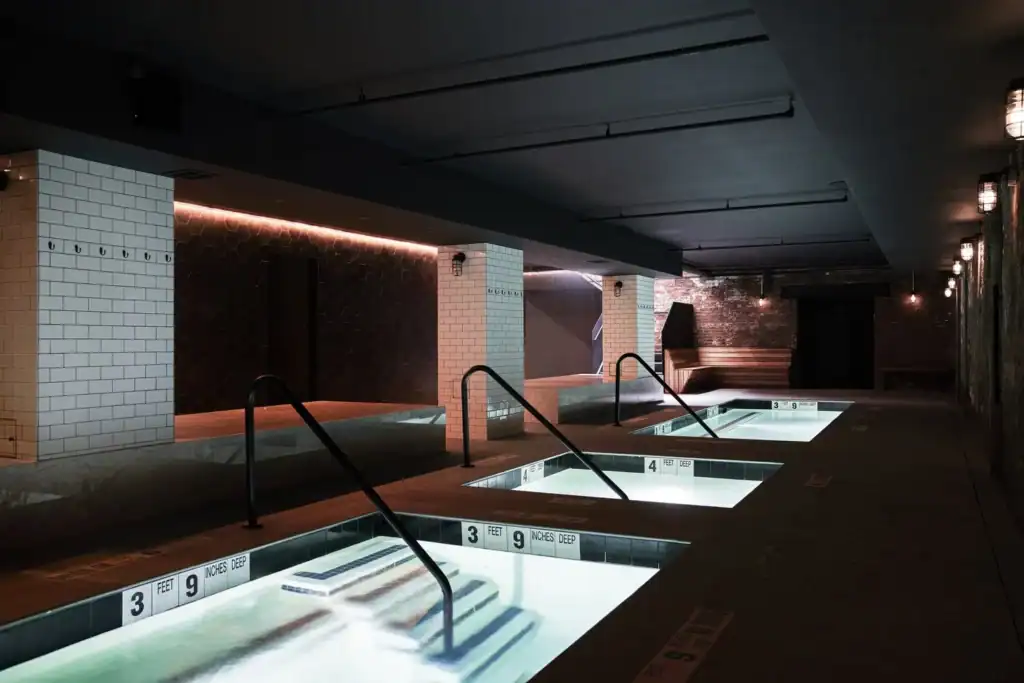
Image: Adrian Gaut / Bathhouse · Original source.
Renewables & heat reuse / project case study
Bathhouse says it began a pool-heating mining pilot in 2022. Its technical explanation describes immersion-cooled ASICs, a dielectric-fluid circuit and heat exchangers that transfer heat into pool plumbing. The comparison is with its previous electric resistance heaters. Bathhouse technical explanation.
Estimated reading time: 5 minutes
Pools offer a relatively persistent heat demand, which can make recovery easier to use than seasonal room heating. Heat-exchanger separation is essential: the mining coolant and pool water serve different duties.
The original comparator is resistance heating. A heat pump can deliver more heat per unit of purchased electricity, so a new pool project should test that alternative as well. Mining income can offset part of the electricity bill without making the thermal process intrinsically more efficient.
The figures below are The Mining Shop’s own worked comparison for a prospective UK site. They are not the operator’s earnings, a current tariff or a forecast. All inputs are shown so you can see which conditions create or remove the benefit.
Worked scenario · not the operator’s accounts
1,000 kWh to miners + 50 kWh of auxiliary electricity. GBP comparison for a prospective UK site; no currency conversion of project results.
The 12p/kWh electricity input is a hypothetical purchased-power cost, not a quoted tariff. Heat is credited at 6p per delivered kWh as an assumed cost of the heating displaced. Do not also deduct export forgone for the same purchased electricity.
| Gross mining income | 8p per miner kWh; a scenario, not a current machine yield |
|---|---|
| Electricity | 12p/kWh × 1,050 kWh = £126.00 |
| Pool fee | 2% of gross mining income |
| Useful heat | 80% of miner electricity = 800 kWh; 6p per delivered kWh |
| Other operating costs | £10 per 1,000 miner kWh; placeholder allowance |
| Not included | Equipment, installation, finance, tax, depreciation, major replacements and any costs beyond the stated allowance |
The operating contribution is mining income after pool fees + useful heat value − electricity cost or export forgone − other running costs. Electricity consumed in pumps or extra fans earns no mining income in this example. Recovered heat is a second use of the same energy, not extra electricity.
| Gross income per miner kWh | Without heat credit | Including useful heat |
|---|---|---|
| 5p | −£87.00 | −£39.00 |
| 8p Chart scenario | −£57.60 | −£9.60 |
| 11p | −£28.20 | £19.80 |
per miner kWh
per total electricity kWh
These are alternative operating thresholds using the chart’s inputs. Capital and omitted costs would lower the supported electricity price and raise the required mining income.
The heat credit must reflect the real alternative. For example, purchased electricity at 20p/kWh and a heat pump delivering a seasonal COP of 3 gives an energy-only heat cost of about 6.67p/kWh, before its other costs. That is a different comparator from a resistance heater using 20p of electricity per kWh of heat. These are arithmetic examples, not measured performance at this project.
To turn this into an annual assessment, use the miner electricity actually expected in the profitable operating windows. Multiply the contribution by annual miner kWh ÷ 1,000 only if the assumptions remain valid in those windows, then deduct annual fixed costs. Simple payback is total installed capital divided by positive annual cash contribution; it is unavailable when that contribution is zero or negative. No project payback is claimed here because the necessary capital and operating accounts are not published in the cited evidence.
A steady pool-heating load can use mining heat for longer than seasonal space heating, provided recovery and water-system separation are designed correctly.
Measure pool heat delivered, computing and pump electricity, water temperatures and backup use. Compare at equal pool conditions, occupancy and ventilation.
Build the decision around your own interval electricity data, the real alternative use of that power, and a heat customer with a measured demand. Choose hardware using its dated revenue estimate, efficiency and service requirements. A higher gross earning figure is only the start; useful operating margin and the installed cost determine whether the project deserves investment.
Compare all supported mining algorithms, electricity use and dated earning estimates. Start with zero heat credit, then add only the heat you can use or sell.
Project statements are attributed to the operator, filing, research paper or reporting listed below. Engineering interpretation and the GBP calculations are our analysis. Review date: 29 September 2026; this is a source review, not a site visit or independent audit.
Image provenance: Adrian Gaut / Bathhouse (source). Image context is recorded with each photograph.
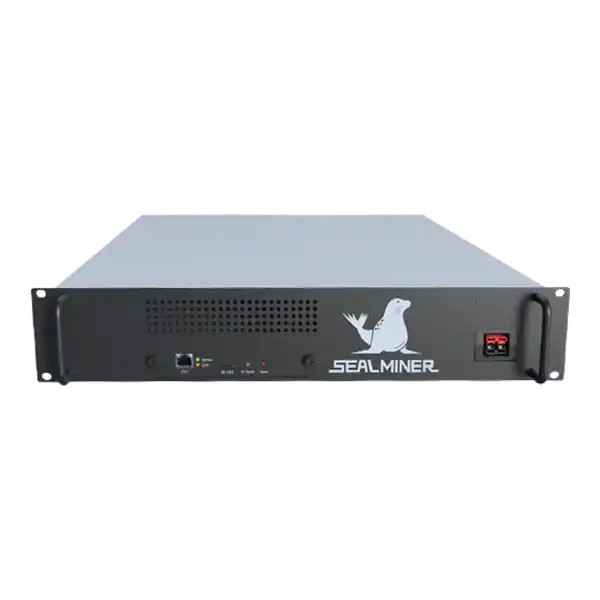

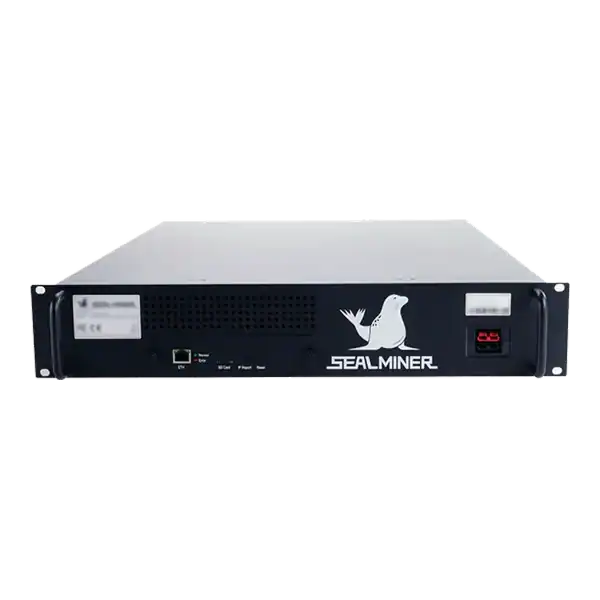

Terahash describes Kläger Group’s Hartha energy park with a 1.6 MWp solar array, a 350 kWh battery and a mining container able to absorb up to 500 kW. The container is intended to buy surplus left by industrial production, with storage and grid export also available.
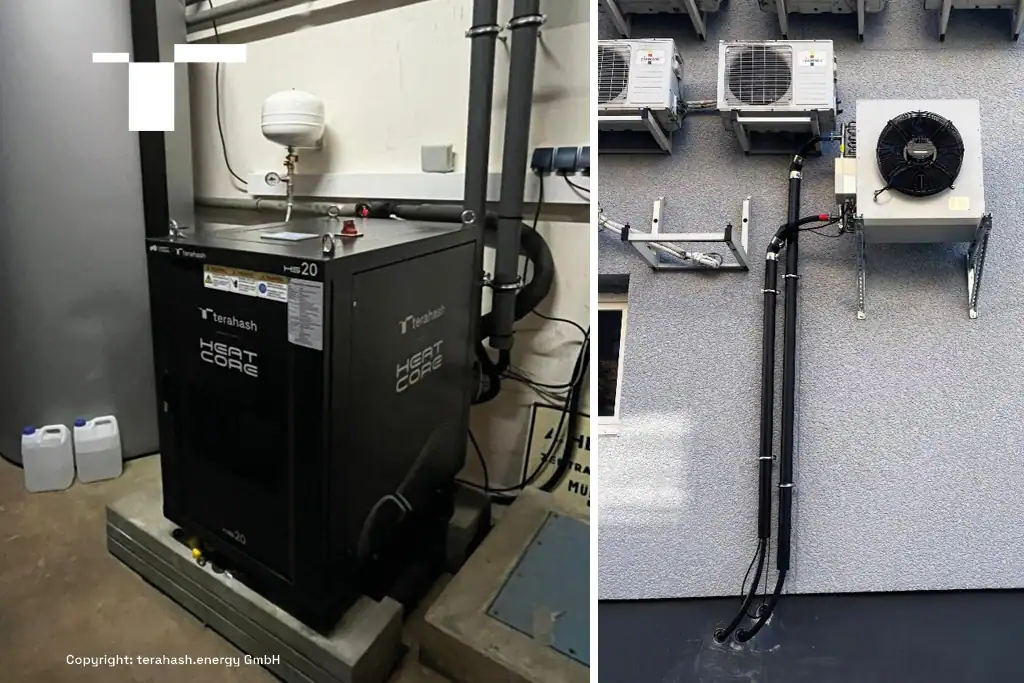
Terahash describes a commissioned system at Nebona’s spice factory: a Heatcore HS20 with two Whatsminer M63 units uses surplus rooftop solar power and supplies hot water to a buffer tank. The existing heating system remains available.

SunBit reports fitting a Bitcoin Boiler alongside the oil boiler in a 200 m² Kotka home. An outdoor unit rejects unwanted summer heat and allows additional use of solar surplus.
Join the ASIC Mining Discussion
Members can read and join the discussion
Log in to read comments from other miners. Create a free account if you would like to ask a question or share your experience.
Membership helps us protect the discussion from spam and keep answers useful.