

Sealminer A4 Ultra Hydro
Bitcoin & Bitcoin Cash ASIC Miner
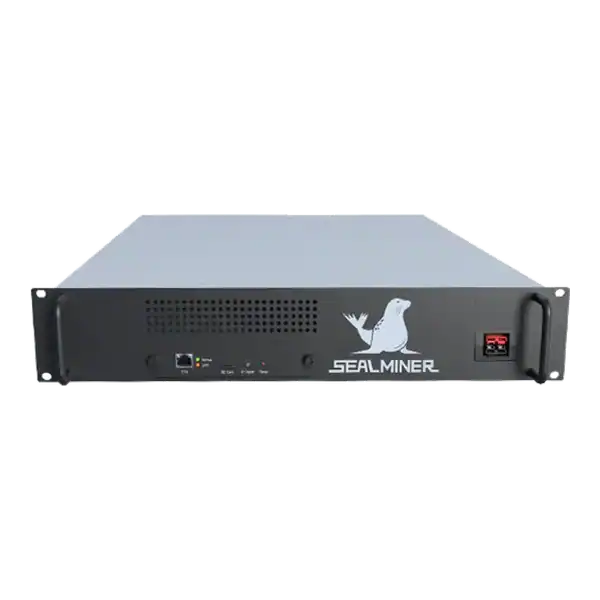

886TH
HASHRATE
9.45W/TH
EFFICIENCY
8373W
POWER
£851.51
EST. MONTHLY
NO PAYBACK
EST. ROI
Ordinals and inscriptions explained without hype: separate Bitcoin consensus and Taproot witness validity from sat numbering and indexer interpretation.
Ordinals and inscriptions explained without hype: separate Bitcoin consensus and Taproot witness validity from sat numbering and indexer interpretation.
Bitcoin consensus decides whether transactions and blocks are valid. The reference protocol places an envelope in Tapscript using an unexecuted conditional structure and content fields. Taproot script-path spends reveal the selected script and control block in witness data. Ordinal numbers, inscription IDs, sat rarity and transfer ownership are outputs of the indexing algorithm.
Ordinals and inscriptions explained: A miner's Bitcoin node checks scripts, signatures, weight and all active consensus rules. Its mempool and template policy may accept or reject transactions before mining.
A node operator is checking Ordinals and inscriptions explained. If those facts are unknown, the operator cannot show which rules were actually applied before electricity was committed to the work.
Bitcoin consensus decides whether transactions and blocks are valid. Ordinal theory assigns serial numbers to satoshis and tracks them through transactions using an indexer’s interpretation. A Bitcoin node does not need Ord software to validate an inscription transaction. An Ord indexer does need the Bitcoin chain plus its own rules to label sats, envelopes, collections and transfers.
Start with the validating node, because the ASIC only hashes the candidate header it receives. Record the node release and the pool component that assembled the block. If those facts are unknown, the operator cannot show which rules were actually applied before electricity was committed to the work.
The reference protocol places an envelope in Tapscript using an unexecuted conditional structure and content fields. When the Taproot script path is revealed in the spending witness, the data becomes visible on chain. Bitcoin nodes validate the transaction under SegWit, Taproot and Tapscript rules. They do not validate whether the envelope is meaningful or correctly displayed as an inscription.
Treat status dashboards as observations, not as the source of truth. Compare them with an independently operated node and retain the raw deployment or template response. Period boundaries, chain reorganisations and cached pool pages can otherwise make a correct-looking percentage describe the wrong state.
Taproot script-path spends reveal the selected script and control block in witness data. Witness bytes receive the SegWit weight discount but still consume block weight and fees. Taproot did not add an inscription consensus type. It supplied a flexible, valid script and witness structure that the Ord indexer interprets according to a separate protocol.

Build the failure response before the boundary arrives. Define which rejection messages trigger an alert, who can pause a template source and how failover is prevented from returning miners to the same faulty validation stack. A second hostname is not independent when both endpoints share one node.
Ordinal numbers, inscription IDs, sat rarity and transfer ownership are outputs of the indexing algorithm. Wallet coin selection can move an inscribed sat unexpectedly if it is unaware of those conventions, even while creating a perfectly valid Bitcoin transaction. Users therefore need compatible wallets and indexers in addition to ordinary key control and consensus-valid transaction construction.
Separate readiness, signalling and enforcement in the operating log. Readiness is a claim about software and process, signalling is data carried by blocks, and enforcement is a validation result. Combining them into a single supported or unsupported label hides the point at which revenue is actually at risk.
A miner’s Bitcoin node checks scripts, signatures, weight and all active consensus rules. Its mempool and template policy may accept or reject transactions before mining. It does not need to agree with an Ord indexer about content type or sat assignment. Once a valid block is mined, indexers process it and can still disagree because of software versions, bugs or protocol conventions.
Map responsibility across the full path: validating node, template server, pool protocol, proxy, firmware and ASIC. For each layer, state what it can alter and what it merely relays. This prevents a version-bit setting in firmware from being mistaken for complete consensus-rule support. Relate that responsibility map to the pool and job-control boundary in our Stratum V2 guide.
A chain reorganisation changes the authoritative Bitcoin history followed by the node. Indexers must roll back orphaned blocks and apply the replacement branch in the same order. An indexer that lags or mishandles reorgs can show transfers that no longer exist. High-value workflows should compare the indexer’s height and block hash with an independently validated Bitcoin node.
Test the primary and failover paths with the same checks. Compare chain tip, chainwork, deployment state, required rules and template age, then save the result with a timestamp. The process should be repeatable by another operator without relying on an undocumented pool conversation.
Run a known Ord version, record its indexing options and verify the Bitcoin RPC source, chain and tip. Back up descriptors and seed material while keeping inscription metadata separately reproducible. Before sending, use inscription-aware coin control and preview fees. Treat marketplace labels as application data, not consensus guarantees, and wait for an appropriate confirmation depth before settlement.
Turn the conclusion into a business decision. State which chain and settlement venues the operation intends to serve, the maximum acceptable stale-block exposure and the point at which mining pauses. This connects protocol evidence to electricity cost, pool revenue and payout finality.
A concise decision record for Ordinals and inscriptions explained should name the source documents, their dates, the node release tested, the responsible pool or template provider and the exact trigger for action. Include screenshots or machine-readable output for the deployment state. But keep the raw node response as the stronger evidence.
State whether a change affects policy, block construction or consensus validity, because those layers have different failure costs.
Run the check on every production and failover path. Confirm that monitoring alerts on stale templates, unexpected chain tips, rejected proposals and a rise in stale shares. Keep rollback instructions for node and pool configuration. But do not roll back across an active consensus boundary without understanding the rules the older release enforces.
If the evidence conflicts, pause the affected path and investigate before committing more electricity to uncertain work.
For related background, read our plain-English BIP-110 guide and technical BIP-110 review. Those articles use a modern proposal to show why signalling, activation, template construction and accepted chain history must be examined separately.
Ordinals and inscriptions explained is best understood as a defined interaction between validating software, mining infrastructure and economic acceptance. The safest operator does not infer consensus from a dashboard percentage or a pool slogan. They verify the rule source, the activation boundary, the template fields and the chain their payouts ultimately settle on.
That discipline reduces the chance of hashing an invalid or commercially unwanted block.
Ordinals and inscriptions explained: A miner's Bitcoin node checks scripts, signatures, weight and all active consensus rules.
Bitcoin consensus decides whether transactions and blocks are valid. Ordinal theory assigns serial numbers to satoshis and tracks them through transactions using an indexer's interpretation.
The reference protocol places an envelope in Tapscript using an unexecuted conditional structure and content fields.
Taproot script-path spends reveal the selected script and control block in witness data.
Primary specifications are living technical records. Check their current status and changelog before using this article for a production activation decision.
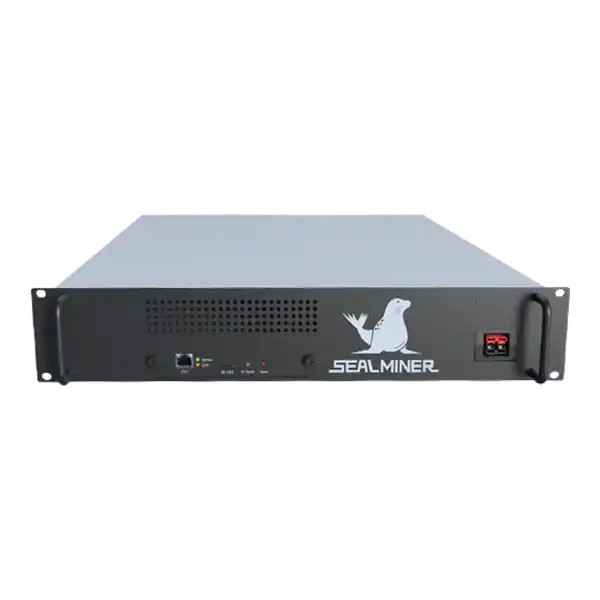

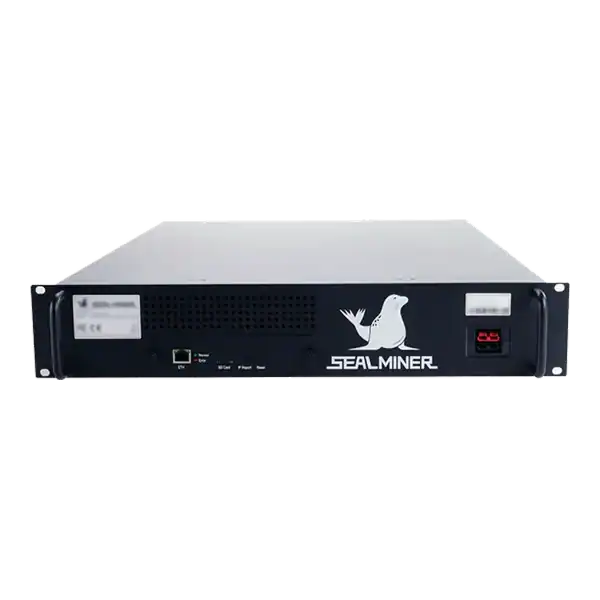
BIP 441 guide to the Draft tapleaf 0xC2 script-restoration proposal, varops, stack limits, unsigned arithmetic, restored opcodes and safety testing.
BIP 440 guide to the Draft transaction-wide variable-operation budget, weight scaling, opcode cost classes, benchmarks, validation and soft-fork status.
BIP 361 guide to the Draft informational post-quantum migration and legacy-signature sunset proposal, phases, prerequisites, risks and readiness planning.
Join the ASIC Mining Discussion
Members can read and join the discussion
Log in to read comments from other miners. Create a free account if you would like to ask a question or share your experience.
Membership helps us protect the discussion from spam and keep answers useful.