

Sealminer A4 Ultra Hydro
Bitcoin & Bitcoin Cash ASIC Miner
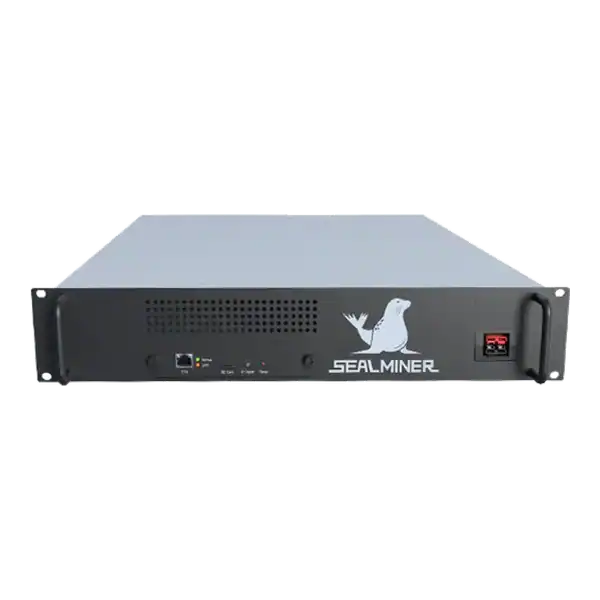

886TH
HASHRATE
9.45W/TH
EFFICIENCY
8373W
POWER
£851.51
EST. MONTHLY
NO PAYBACK
EST. ROI
Understand Plan a Reliable Multi-Miner ASIC Operation. Plan power, cooling, monitoring, contracts and resilient multi-miner operation before choosing equipment.
Understand Plan a Reliable Multi-Miner ASIC Operation. Plan power, cooling, monitoring, contracts and resilient multi-miner operation before choosing equipment.
How to Plan a Reliable Multi-Miner ASIC Operation treats scale as an infrastructure and process decision. Power, cooling, network resilience, spares, monitoring, contracts and staffing must grow with the miner count.
Plan a Reliable Multi-Miner ASIC Operation: At their core, Multi-Miner Operations involve running multiple mining rigs in unison to increase computational power and mine cryptocurrencies more efficiently.
A site operator is checking Plan a Reliable Multi-Miner ASIC Operation. If you’re looking to purchase reliable mining hardware or need advice on how to get started, check out The Mining Shop .
Multi-Miner Operations are one of the best ways to optimise cryptocurrency mining. If you are new to mining or looking to scale up your existing setup, this guide will walk you through every step of the process. By the end of this post, you’ll know how to establish a functional, efficient, and profitable Multi-Miner Operation.
We’ll use the keyword Multi-Miner Operations between 10-20 times, adhering to SEO guidelines, so this article is optimised for search engines while staying clear and informative.

At their core, Multi-Miner Operations involve running multiple mining rigs in unison to increase computational power and mine cryptocurrencies more efficiently. These operations can range from a small setup in your home to large-scale industrial farms.
Mining multiple rigs offers:
The cornerstone of successful Multi-Miner Operations is choosing the right hardware. Common options include:
Before plugging in your miners, establish a suitable location for your Multi-Miner Operations:
Large-scale operations benefit from warehouse spaces or dedicated data centres.
Once your hardware is ready, install mining software. These programs enable your rigs to connect to mining pools and start mining.
Popular mining software includes:
Mining pools allow smaller operations to combine their computing power, increasing the chances of earning rewards. Pool members share rewards proportionally based on their contributions.
Managing Multi-Miner Operations is an ongoing process. Use monitoring tools to track performance, detect issues, and optimise efficiency.
As you gain experience, you may want to expand. Scaling requires careful planning:
If you’re looking to purchase reliable mining hardware or need advice on how to get started, check out The Mining Shop. They offer expert support and a wide range of mining equipment tailored for Multi-Miner Operations.
Plan a Reliable Multi-Miner ASIC Operation: At their core, Multi-Miner Operations involve running multiple mining rigs in unison to increase computational power and mine cryptocurrencies more efficiently.
At their core, Multi-Miner Operations involve running multiple mining rigs in unison to increase computational power and mine cryptocurrencies more efficiently.
Check the exact equipment, current documentation, measured results and the main cost or safety risk before making a decision.
ASIC Miner Hosting and Scaling readers should compare the article's facts with their own equipment, location and current operating conditions.
Capacity planning must cover continuous electrical load, heat removal, networking, spares and safe access. Monitoring, pool failover and incident response should be tested before adding more miners.
Use these pages to move from research to a product or operating decision:
For Plan a Reliable, check current official guidance and retain the evidence used for the decision. Use current official guidance alongside this article because network rules, tax guidance and safety duties can change.

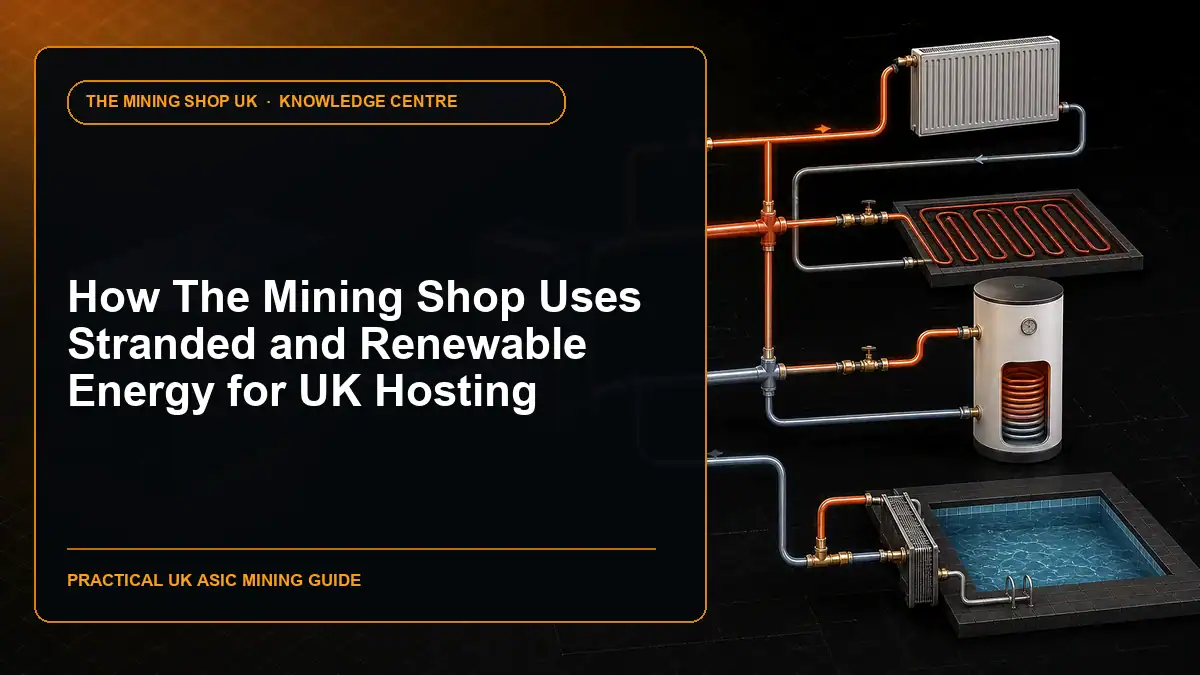
Renewable energy Bitcoin mining UK: UK guidance on contracts, cost, ownership, risk, records and practical checks to complete before committing equipment.
Use this Bitcoin mining handbook after commissioning to manage daily checks, maintenance, pools, security, cost reviews, records, incidents and end-of-life.
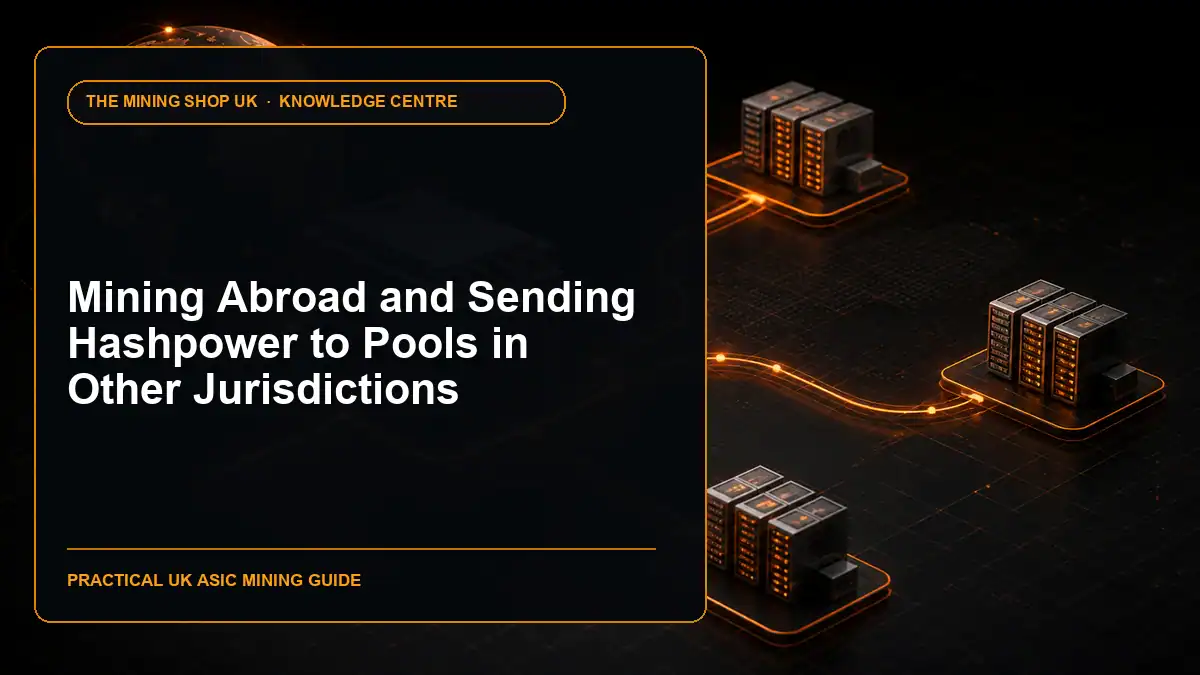
Cross border hashpower: Record where the hardware is located, who owns it, who operates it, who buys electricity, which entity contracts with the pool.
Join the ASIC Mining Discussion
Members can read and join the discussion
Log in to read comments from other miners. Create a free account if you would like to ask a question or share your experience.
Membership helps us protect the discussion from spam and keep answers useful.