

Sealminer A4 Ultra Hydro
Bitcoin & Bitcoin Cash ASIC Miner
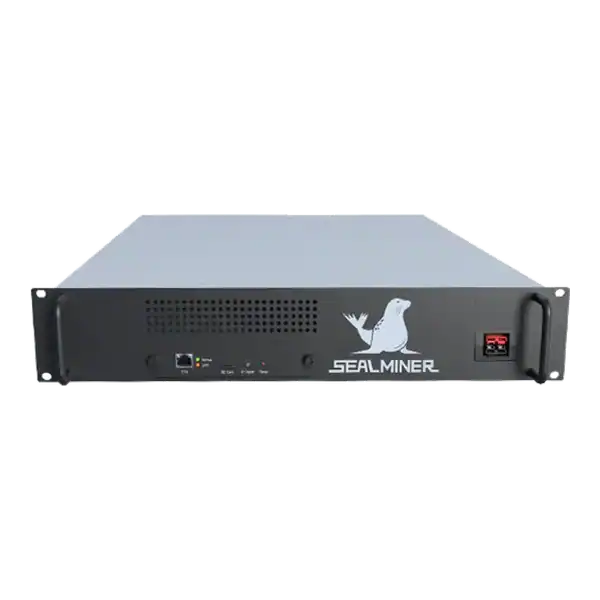

886TH
HASHRATE
9.45W/TH
EFFICIENCY
8373W
POWER
£846.49
EST. MONTHLY
NO PAYBACK
EST. ROI
Owned ASICs vs rented hashrate: ASIC guidance on compatibility, measurement, fees, reliability, security and checks before routing hashrate.
Owned ASICs vs rented hashrate is a capacity decision, not simply a comparison of two daily prices. Ownership gives control of hardware, firmware, site choice and residual value but brings capital, power, maintenance and obsolescence risk. A hashrate marketplace can deliver temporary work to a chosen compatible pool without the buyer owning the machines.
But delivery, price and duration depend on the order book and platform rules. This guide helps an operator choose a route for base capacity, temporary replacement, research or a bounded campaign without confusing hashrate rental with conventional ASIC hosting or a guaranteed mining return.
Owned ASICs vs rented hashrate: Owned ASICs and rented hashrate solve different capacity problems. Ownership favours sustained control and a possible residual asset.
A miner is checking owned ASICs vs rented hashrate. Owned hardware produces capacity when the machine, site, power, cooling, network and pool route all work.
Start with the reason capacity is needed. A permanent fleet, temporary maintenance cover, a short research test, a solo experiment and an attempt to exploit a brief market spread have different tolerances for interruption, price movement and operational control.
Owned hardware produces capacity when the machine, site, power, cooling, network and pool route all work. Rented hashrate produces capacity when an order is matched, the marketplace routes work correctly, the chosen pool accepts it and the budget remains available.
Write the required algorithm, minimum accepted rate, start window, duration, destination pool and maximum complete cost. Without that specification, an operator can buy attractive-looking capacity that does not solve the intended job.

Buying an ASIC creates a physical asset and gives the owner control over location, firmware, operating profile, pool and maintenance. If the model remains useful, it can run beyond the initial evaluation period, be moved, sold, repaired or assigned to another strategy.
That control carries capital exposure. The buyer pays for hardware, delivery, import, installation and supporting infrastructure before productive work begins. Electricity, cooling, labour, repair, downtime, insurance and financing continue to affect the delivered cost.
Residual value is uncertain. A machine can lose value through efficiency improvements, network economics, manufacturer support, condition or algorithm relevance. Treat a future sale value as a scenario rather than an offset guaranteed on the purchase date.
A marketplace order buys delivered hashing work rather than a named ASIC. Braiins describes its current SHA-256 market as an order book in which a buyer sets price, budget, speed limit and destination pool. Matching can shift as other bids change. So an order receiving work may lose delivery when it is outbid.
The buyer avoids direct electrical, cooling and repair management. But gains platform, market and routing dependencies. Price can move, capacity may ramp rather than appear instantly, the pool must be compatible and delivered accepted hashrate can differ from a speed limit.
Rental also changes the exit. There is no machine to resell, and deposited funds may be subject to platform-specific restrictions. Review withdrawal, cancellation, settlement, compliance screening, account security and dispute terms before funding an account.
Choose a common unit such as the complete cost per accepted PH/s-day at the destination pool. For owned capacity, annualise capital over a stated life and residual-value scenario, then add electricity, hosting, cooling, maintenance, insurance, financing, pool fees and expected downtime.
For rented capacity, include bid price, market and pool fees, rejected work, unmatched time, ramp behaviour, funding costs and any balance that cannot be used or withdrawn normally. Convert bitcoin and fiat at a dated rate. But retain the bitcoin-denominated cost as well.
Do not use gross coin revenue as though it were the cost of capacity. The same work can have different outcomes under pool payout methods, network difficulty and coin price. First price the capacity. Then model what the intended strategy might earn.
| Decision factor | Owned ASICs | Rented hashrate |
|---|---|---|
| Control | Hardware, firmware, site and route | Bid, budget, speed limit and compatible pool |
| Duration | Potentially multi-year | Order-bound and market-dependent |
| Upfront exposure | Hardware and installation | Deposited trading budget |
| Operational risk | Power, cooling, failure and repair | Platform, delivery, matching and routing |
| Exit value | Possible hardware resale | No physical asset |
| Best fit | Base capacity and long-term control | Temporary or bounded capacity |
An operator can own the base fleet and rent short-term replacement work during planned maintenance. The rented route should be measured against the accepted work that the unavailable fleet would normally deliver, not against its nameplate hashrate.
A marketplace can also test a pool, reporting process or probability model before buying more hardware. This does not reproduce machine-level heat, power, firmware or maintenance behaviour. So it cannot replace a physical site trial.
Set a fixed budget and stopping rule. A bid that is repeatedly increased to maintain delivery can turn a bounded experiment into uncontrolled exposure. Separate trading permissions from read-only monitoring tokens and retain the transaction and performance history.
Use a small, observable trial before relying on rental for an operational commitment. For owned hardware, perform an electrical and cooling site survey before ordering. Both routes fail when their supporting assumptions are left outside the comparison.
Owned ASICs vs rented hashrate: Owned ASICs and rented hashrate solve different capacity problems. Ownership favours sustained control and a possible residual asset.
Start with the reason capacity is needed. A permanent fleet, temporary maintenance cover, a short research test, a solo experiment and an attempt to exploit a brief market spread have different tolerances for interruption, price movement and operational control.
Buying an ASIC creates a physical asset and gives the owner control over location, firmware, operating profile, pool and maintenance.
A marketplace order buys delivered hashing work rather than a named ASIC.
Owned ASICs and rented hashrate solve different capacity problems. Ownership favours sustained control and a possible residual asset. Rental favours bounded access without running the physical equipment. Compare complete cost per accepted work unit, document market and operational dependencies, and use a stopping rule. This narrow capacity-procurement intent remains separate from the site’s hosting and cloud-mining ownership guide.
Compare current ASIC hardware for long-term capacity, then model a small hashrate order separately if a temporary capacity requirement justifies the platform risk.
Own ASICs when long-lived control, predictable base capacity and residual hardware value justify infrastructure and operational risk. Rent hashrate for bounded, price-controlled capacity where delivery terms, pool compatibility and platform risk are acceptable.
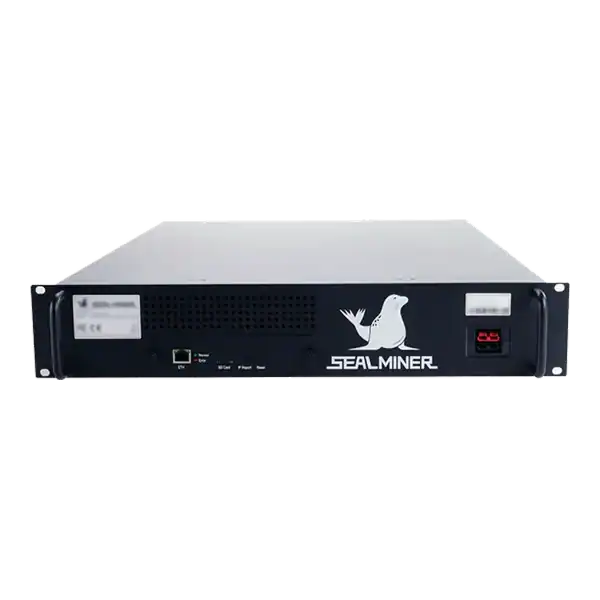
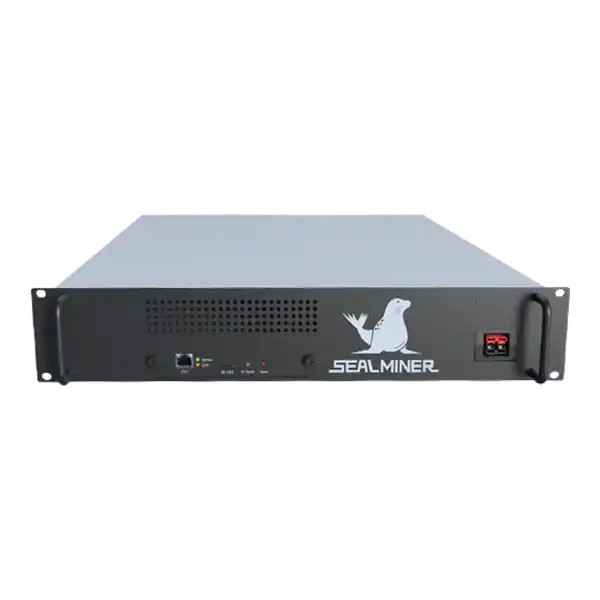

Build a five-year ASIC replacement calendar from efficiency gap, tariff, failure rate, parts, firmware, resale, network scenarios and capital gates.
Build ASIC profit forecast ranges using base, downside and severe cases for accepted hashrate, energy, uptime, difficulty, reward, fees, price and repairs.
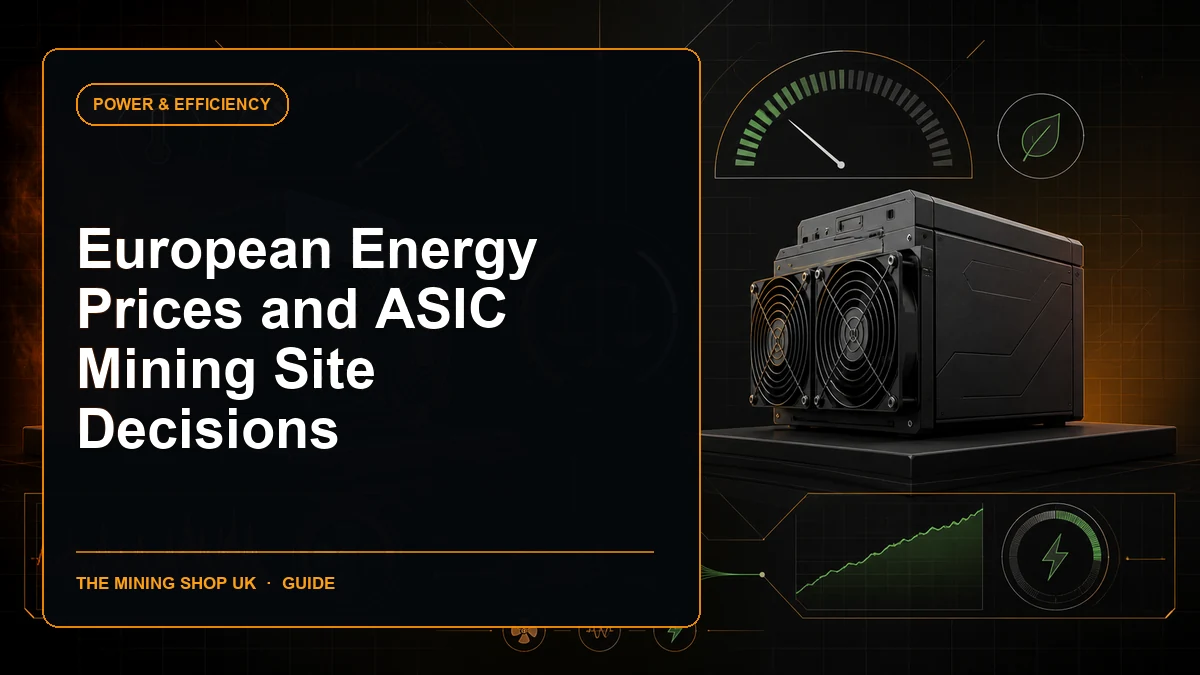
Compare European ASIC mining energy costs using the correct tariff band, taxes, grid connection, curtailment, cooling, contracts and location risks.
Join the ASIC Mining Discussion
Members can read and join the discussion
Log in to read comments from other miners. Create a free account if you would like to ask a question or share your experience.
Membership helps us protect the discussion from spam and keep answers useful.