

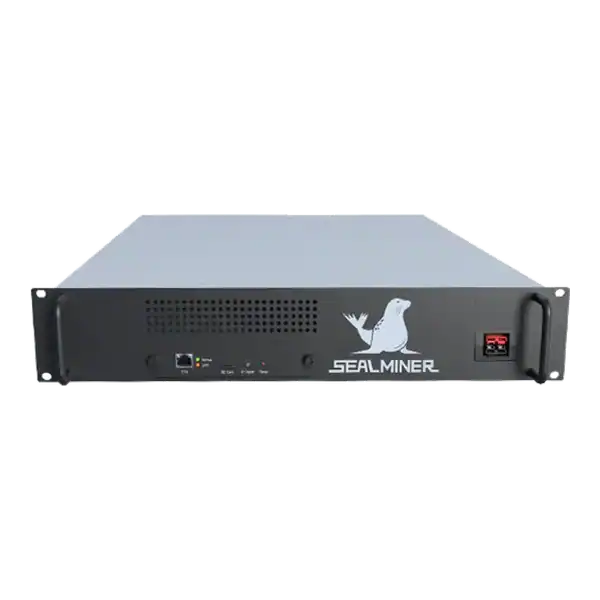
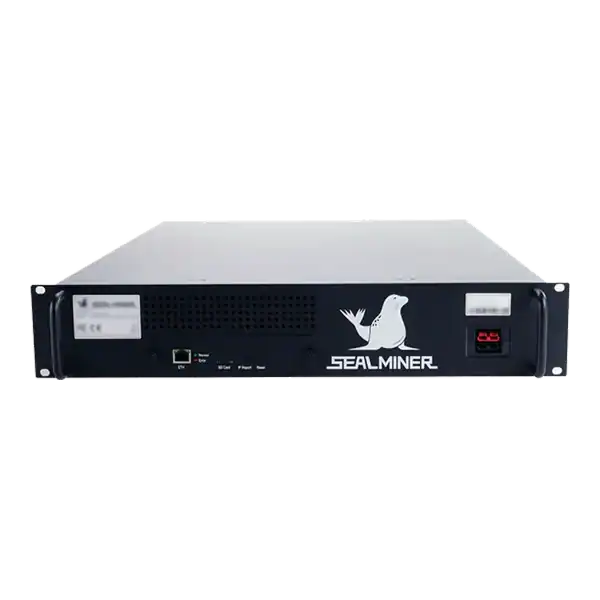
Sealminer DL1 Hydro
Litecoin & Dogecoin ASIC Miner
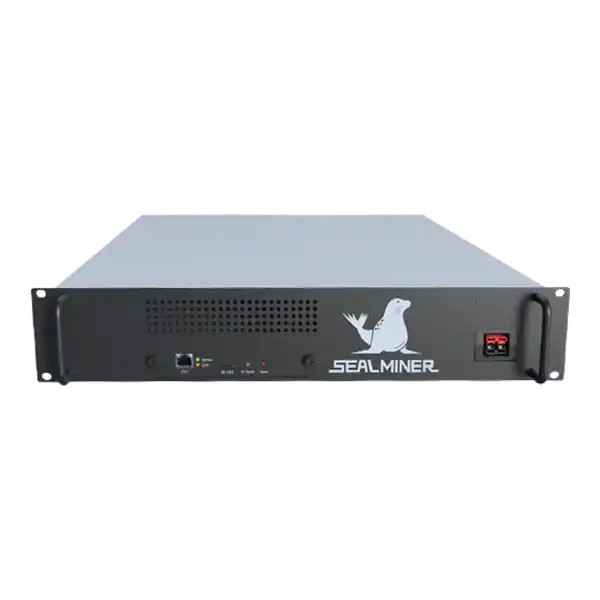

52.5GH
HASHRATE
149W/GH
EFFICIENCY
7823W
POWER
£774.73
EST. MONTHLY
NO PAYBACK
EST. ROI
Compare managed ASIC hosting vs self-hosting through complete energy cost, infrastructure, uptime, custody, access, repairs, security, contract and exit risk.
Managed ASIC hosting vs self-hosting is a choice about operating responsibility, capital, control and counterparty risk rather than electricity price alone. Managed hosting can provide power, cooling, networking, monitoring and site labour under one contract.
At the same time, self-hosting gives the owner direct control but requires electrical infrastructure, safety systems, staff, spares and continuous operations. Compare both routes at the same measured workload, uptime assumption and exit condition.
Managed ASIC hosting vs self-hosting should be decided using complete cost, delivered uptime and control over assets and accounts.
A site operator is checking managed ASIC hosting vs self-hosting. Neither route is low risk when important costs or responsibilities remain unstated. For self-hosting, identify lease, power-purchase, connection and equipment commitments that continue after miners stop.
Managed ASIC hosting normally means a provider supplies the facility, power distribution, cooling, network, monitoring and on-site intervention. The customer retains the agreed hardware and mining economics but depends on the provider’s systems and staff.
Self-hosting means the customer controls the operating site or directly contracts each input. It can be a home, workshop, farm, generator site or professional data hall. It is not automatically small or informal.
Write a responsibility matrix before comparing prices. Allocate electricity, transformers, PDU, cooling, networking, firmware, monitoring, pool changes, repairs, spares, insurance, tax, security and equipment return.
| Area | Managed hosting | Self-hosting |
|---|---|---|
| Power and cooling | Provider operates within contract | Owner designs and operates |
| Hardware custody | Provider or subcontracted site | Owner-controlled site |
| Monitoring | Provider portal and staff plus customer pool view | Owner tools and staff |
| Repairs | Contracted triage and logistics | Owner diagnosis, parts and labour |
| Security | Provider controls site and management systems | Owner controls physical and cyber layers |
| Exit | Dependent on contract and return logistics | Owner can relocate subject to site commitments |

A managed rate may bundle energy, cooling and site labour or list them separately. Ask whether the rate includes VAT, deposits, siting, minimum consumption, curtailment, repair handling, network, pool service, storage and withdrawal.
Self-hosting electricity is only one line. Add connection, transformer, switchgear, PDU, cabling, ventilation or liquid cooling, planning, fire controls, meters, rent, insurance, security, staff, spares and financing.
Convert fixed and variable items into the same period. Then divide complete operating cost by actual site kWh and by accepted hashrate delivered to the pool.
Do not compare a managed rate including cooling with a bare wholesale power price. Do not spread a one-off self-hosting build across an unrealistically long life without maintenance or residual value.
Twenty miners drawing 3.5kW each create a 70kW IT load. At continuous operation for a 30-day month, the miners alone would use 50,400kWh. At 95 per cent electrical uptime they use 47,880kWh.
If a managed offer charges £0.065 per miner kWh, the illustrative variable charge is £3,112.20 for that 95 per cent month, before any fixed fees and VAT. Confirm whether power is billed from a meter or nameplate and how curtailment is treated.
A self-hosted site at £0.05/kWh would show £2,394 energy. But that is not yet cheaper. Add cooling and distribution energy, rent, staff, maintenance, insurance and monthly recovery of infrastructure capital.
Use the same accepted hashrate and downtime. A route that appears cheaper per kWh can cost more per accepted terahash if faults, network interruptions or slow repairs reduce delivered work.
For managed hosting, get the facility voltage, available capacity, PDU design, metering boundary, cooling method, inlet limits, redundancy and curtailment process. Confirm whether the quoted site is the actual operating location.
For self-hosting, commission competent electrical and mechanical design. Nameplate miner load is not the whole facility load, and continuous circuits need appropriate protection, earthing, cable capacity and thermal margin.
Mining does not require the bandwidth of a content data centre. But it needs stable low-latency access to the selected pool. Check diverse connectivity where outages would be material and protect management interfaces from public exposure.
Match the cooling design to worst credible ambient conditions. Air, hydro and immersion systems have different pumps, water or fluid chemistry, leak controls, spares and operator skills.
A service-level percentage is meaningful only when the measurement point, exclusions, reporting period and remedy are defined. Separate facility availability from miner hardware failure, pool outage and customer configuration.
Ask who detects a failed fan or hashboard, how quickly diagnosis begins, when approval is required. This parts can be fitted and who pays shipping. Record ownership of removed parts and warranty handling.
Curtailment can protect a grid, generator or site. But it changes customer revenue. The contract should explain instruction, metering, notice, billing and any make-whole or hashrate-equivalent arrangement.
Self-hosting does not eliminate downtime. The owner needs monitoring, on-call response, spare parts, safe isolation and a decision threshold for uneconomic repair.
For hosted miners, record serial numbers, intake condition, rack location, movement, repair and return. Confirm who can move a unit and what happens if the facility or provider changes.
Keep pool and payout ownership under customer control where the service model permits it. Use individual accounts, two-step verification, approved change requests and logs for pool, wallet and firmware changes.
The NCSC recommends supplier assurance across governance, incidents, networks, data, personnel, physical security and contracts. NPSA data-centre guidance also emphasises layered physical, personnel and cyber controls.
Self-hosting requires equivalent discipline. Restrict site and management access, separate mining networks, retain logs, protect credentials and document incident response.
Verify the contracting entity, company registration, site operator, bank beneficiary and subcontractors. Confirm the provider has authority to occupy the site and accept customer equipment.
Read energy deposit, siting fee, billing in advance, payment period, shutdown, storage and termination clauses together. Check minimum term, renewal, tariff change, taxes, force majeure and governing law.
Hardware ownership, insurance value, excess, excluded losses and claim process must be explicit. An insurance statement is not enough without policy scope and responsibility for excess.
The contract should define data access, security incidents, confidentiality, pool or wallet changes and return of customer information. Certifications support assurance only within their documented scope.
For managed hosting, identify the notice period, final energy balance, unpaid-cost rights, de-racking, packaging, shipping, customs and storage timetable. Confirm who bears transit risk and insurance.
For self-hosting, identify lease, power-purchase, connection and equipment commitments that continue after miners stop. Infrastructure may have resale or alternative-use value. But do not assume it can be recovered immediately.
Maintain an up-to-date serial inventory, configuration backup and return destination. Test that the customer can regain physical and account control without relying on one individual.
A good exit plan prevents an uneconomic miner becoming trapped by storage, unpaid fees or a site contract longer than its useful operating life.
The provider can evidence a suitable site, complete rate, custody, security, operations and return process, and the customer does not want to build a specialist facility.
It can also suit a smaller fleet that cannot justify transformer, cooling and on-call investment, provided counterparty and contract risk are acceptable.
The owner has a genuine energy advantage, competent site team, suitable planning and infrastructure, and values direct control enough to carry the capital and operational workload.
It can also suit energy producers using otherwise constrained output, but the site still needs electrical, cooling, security, environmental and commercial controls.
Managed ASIC hosting vs self-hosting should be decided using complete cost, delivered uptime and control over assets and accounts.
Managed ASIC hosting normally means a provider supplies the facility, power distribution, cooling, network, monitoring and on-site intervention.
A managed rate may bundle energy, cooling and site labour or list them separately.
Twenty miners drawing 3.5kW each create a 70kW IT load. At continuous operation for a 30-day month, the miners alone would use 50,400kWh.
Managed ASIC hosting vs self-hosting should be decided using complete cost, delivered uptime and control over assets and accounts. The two variables most likely to change the answer are the complete facility cost per accepted unit of work and the operational value of direct control.
Verify managed-provider evidence and exit terms with the same care used to design a self-hosted site’s power and cooling. Neither route is low risk when important costs or responsibilities remain unstated.
Use The Mining Shop UK’s hosting terms, security guidance and profitability tools to compare a written managed proposal with a complete self-hosting budget before moving hardware.
Build a complete cost per delivered kWh and per accepted unit of hashrate. Include infrastructure, cooling, labour, downtime, repairs, deposits, taxes and exit costs. Managed hosting transfers tasks, not ownership risk. Verify the operator, site, power source, custody, insurance, pool access, service levels and hardware-return process.

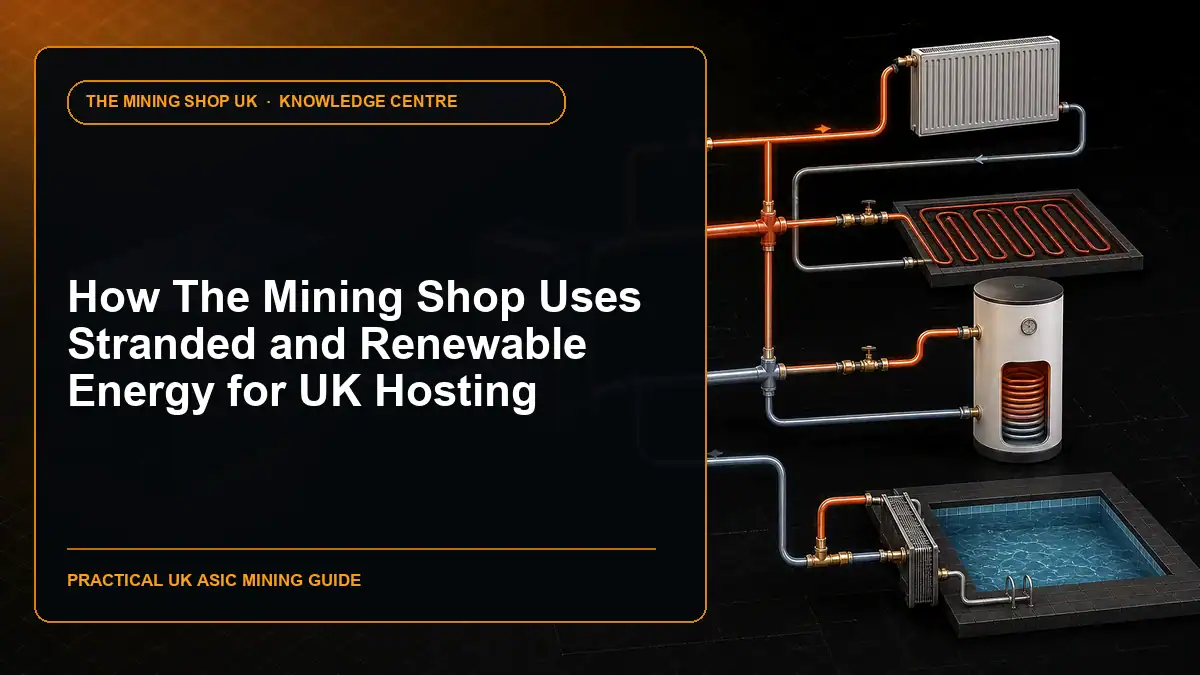
Renewable energy Bitcoin mining UK: UK guidance on contracts, cost, ownership, risk, records and practical checks to complete before committing equipment.
Use this Bitcoin mining handbook after commissioning to manage daily checks, maintenance, pools, security, cost reviews, records, incidents and end-of-life.
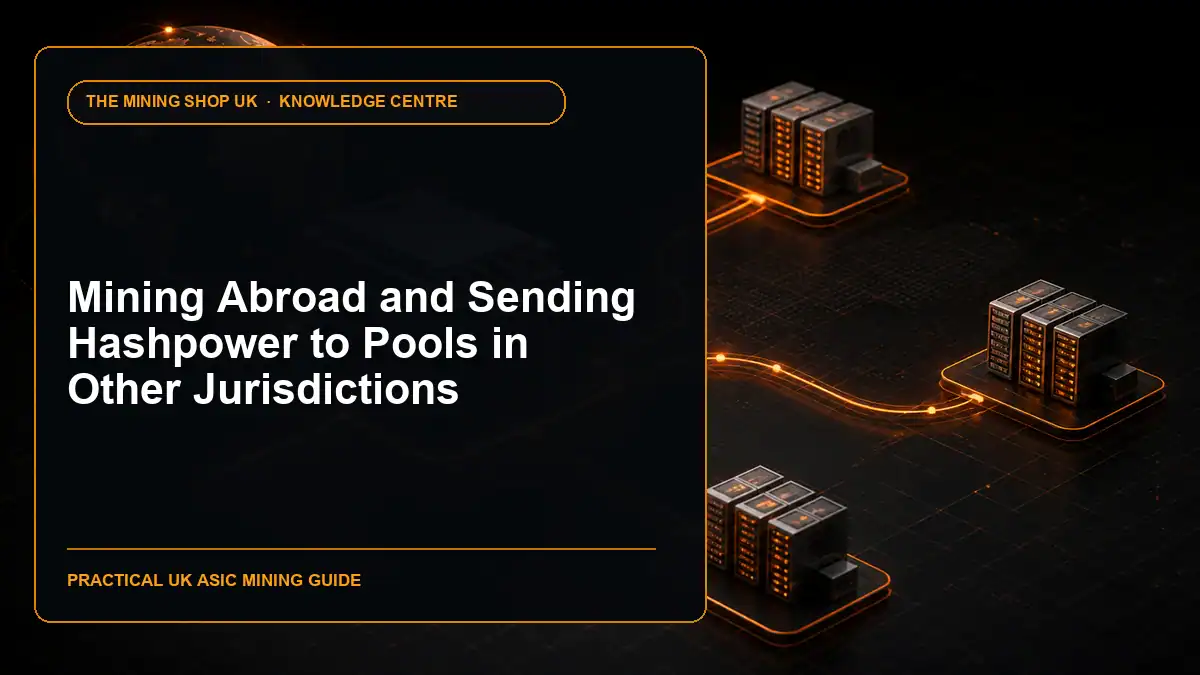
Cross border hashpower: Record where the hardware is located, who owns it, who operates it, who buys electricity, which entity contracts with the pool.
Join the ASIC Mining Discussion
Members can read and join the discussion
Log in to read comments from other miners. Create a free account if you would like to ask a question or share your experience.
Membership helps us protect the discussion from spam and keep answers useful.