

Sealminer A4 Ultra Hydro
Bitcoin & Bitcoin Cash ASIC Miner
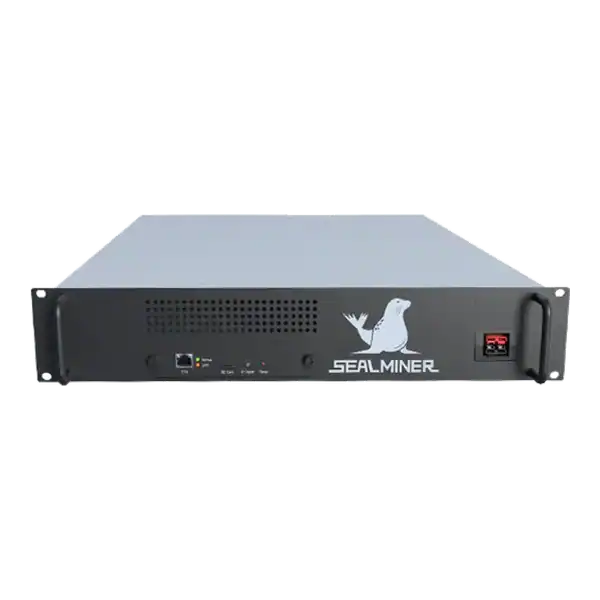

886TH
HASHRATE
9.45W/TH
EFFICIENCY
8373W
POWER
£857.66
EST. MONTHLY
NO PAYBACK
EST. ROI
How long an ASIC miner lasts: How Long Does an ASIC Miner Last? uses a measured diagnostic approach. Read the practical UK guide before deciding.
How long an ASIC miner lasts: How Long Does an ASIC Miner Last? Uses a measured diagnostic approach. Read the practical UK guide before deciding.
How Long Does an ASIC Miner Last? Uses a measured diagnostic approach. Record the fault, protect the warranty, isolate electrical risks and change one variable at a time before authorising repair work.
How long an ASIC miner lasts: The lifespan of an ASIC miner is a hot topic for anyone diving into cryptocurrency mining. ASIC miners, or Application-Specific Integrated Circuit miners, are the backbone of modern blockchain networks like Bitcoin.
A mining technician is checking how long an ASIC miner lasts. Compare Repair Costs: If repair expenses exceed potential earnings, it may be time to upgrade.
The lifespan of an ASIC miner is a hot topic for anyone diving into cryptocurrency mining. ASIC miners, or Application-Specific Integrated Circuit miners, are the backbone of modern blockchain networks like Bitcoin. But how long can you realistically expect yours to last?
This guide will break down the factors that influence ASIC miner longevity, offer tips for extending their lifespan, and answer common questions about maintaining mining hardware.

The lifespan of an ASIC miner generally ranges from 3 to 5 years. But several factors can push this up or down. Let’s start with the basics of how ASIC miners work, as understanding their function helps us better grasp what affects their longevity.
ASIC miners are designed for a single purpose: solving complex algorithms specific to a particular cryptocurrency. Unlike GPUs or CPUs. This can perform multiple tasks, ASIC miners are hyper-specialised, making them highly efficient at mining but limited in other uses. Their design revolves around maximising hash rates (the speed at which they solve equations) while keeping energy consumption low.
This specialization comes with trade-offs:
The quality of components used in ASIC miners directly impacts their lifespan. Brands like Bitmain (makers of Antminer series) and MicroBT (WhatsMiner series) have a reputation for robust and reliable hardware. Cheaper, unbranded miners may save you money upfront but often lack the durability of their premium counterparts.
ASIC miners are sensitive to their surroundings. A poorly managed environment can drastically shorten their lifespan. Here’s why:
Miners operating 24/7 under heavy loads will experience wear and tear faster than those used intermittently or at reduced power settings. Adjusting power efficiency settings can prolong hardware life without significantly sacrificing profitability.
Fluctuations in power supply can damage internal components. Using a high-quality power supply unit (PSU) with surge protection can prevent these issues.
Regular updates to firmware ensure your ASIC miner stays compatible with evolving blockchain algorithms. Neglecting updates can lead to inefficiencies and unnecessary strain on hardware.
The mining difficulty of networks like Bitcoin increases over time, requiring more computational power to mine the same number of coins. This can render older ASIC models less profitable and, eventually, obsolete.
To get the most out of your ASIC miner, follow these strategies:
Even if your ASIC miner becomes obsolete for mining, its components (such as power supplies or cooling systems) may still have value in other applications.
Before you decide to invest time and money in extending your miner’s life, consider its return on investment (ROI). Here’s a simple breakdown:
Here’s how long some well-known ASIC miners typically last:
Professional mining farms often extend the lifespan of their hardware through:
As miners reach the end of their lifespan, proper disposal is essential to reduce e-waste. Many manufacturers and third-party organisations offer recycling programs that recover valuable materials like gold and copper from old hardware.
Q1: What is the average lifespan of an ASIC miner?
A: Most ASIC miners last between 3 to 5 years, but this can extend to 6+ years with excellent maintenance and upgrades.
Q2: How do I keep my ASIC miner cool?
A: Use fans, air conditioning, or liquid cooling systems. Keep your miner in a well-ventilated area with controlled temperatures.
Q3: Is it worth upgrading firmware on an older ASIC miner?
A: Yes, updating firmware ensures compatibility with the latest blockchain protocols and can improve efficiency.
Q4: Can I mine other cryptocurrencies if my ASIC miner becomes unprofitable?
A: Most ASIC miners are designed for specific algorithms. Switching to another cryptocurrency is only possible if it shares the same algorithm.
Q5: What should I do with an obsolete ASIC miner?
A: Repurpose it for parts, sell it to hobbyists, or recycle it responsibly.
Q6: How do I calculate the profitability of my ASIC miner?
A: Use online calculators that factor in hash rate, power consumption, electricity cost, and current market prices.
Q7: Where can I buy reliable ASIC miners?
A: Visit reputable vendors like theminingshop.co.uk for high-quality mining equipment and expert support.
The lifespan of an ASIC miner is influenced by many factors, from build quality and maintenance to environmental conditions and technological advances. By understanding these factors and following best practices, you can maximise your miner’s productivity and ROI. For all your mining hardware needs, check out theminingshop.co.uk, your trusted source for ASIC miners and accessories.
How long an ASIC miner lasts: The lifespan of an ASIC miner is a hot topic for anyone diving into cryptocurrency mining.
The lifespan of an ASIC miner is a hot topic for anyone diving into cryptocurrency mining.
Check the exact equipment, current documentation, measured results and the main cost or safety risk before making a decision.
ASIC Preventive Maintenance readers should compare the article's facts with their own equipment, location and current operating conditions.
Back up configuration and record symptoms before changing firmware, tuning or hardware. Inspect power, network, cooling and pool status before assuming a hashboard has failed.
For long an ASIC, the following pages provide the most relevant practical next steps. Use these pages to move from research to a product or operating decision:
For long an ASIC, check current official guidance and retain the evidence used for the decision. Use current official guidance alongside this article because network rules, tax guidance and safety duties can change.
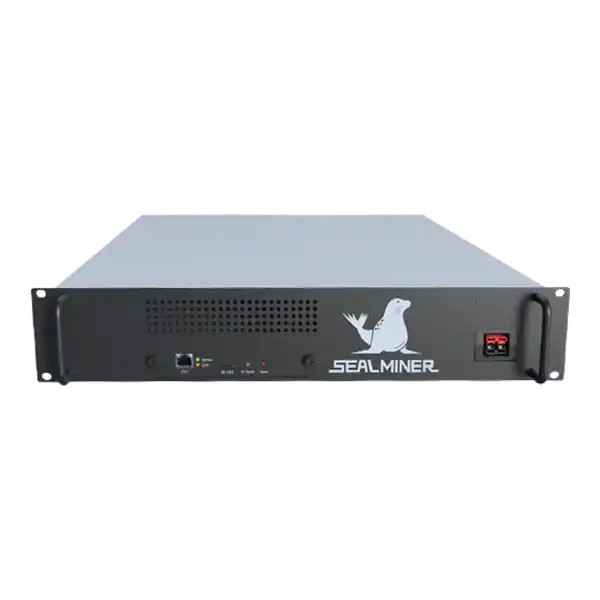

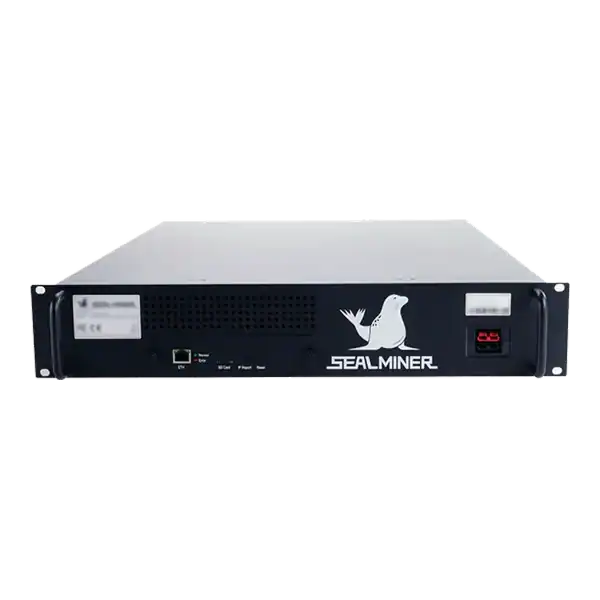
Dynamic ASIC performance scaling: Treat dynamic scaling as an automated control change with fixed site power, cooling and temperature limits.
Understand ASIC Miner Maintenance. Use safe diagnostics, protect warranty cover and make informed repair decisions before choosing equipment.
Extend the Working Life of an ASIC Miner made simple. Compare performance, power, cooling, noise and practical risks before choosing or operating mining hardware.
Join the ASIC Mining Discussion
Members can read and join the discussion
Log in to read comments from other miners. Create a free account if you would like to ask a question or share your experience.
Membership helps us protect the discussion from spam and keep answers useful.