

Sealminer A4 Ultra Hydro
Bitcoin & Bitcoin Cash ASIC Miner
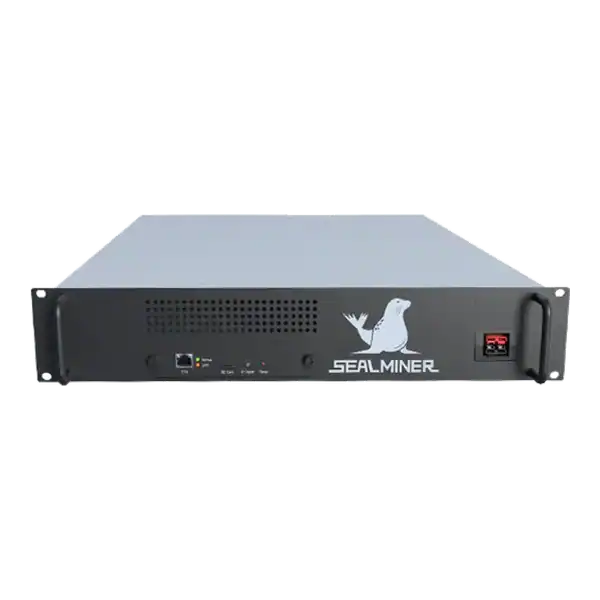

886TH
HASHRATE
9.45W/TH
EFFICIENCY
8373W
POWER
£916.50
EST. MONTHLY
NO PAYBACK
EST. ROI
Cross border hashpower: Record where the hardware is located, who owns it, who operates it, who buys electricity, which entity contracts with the pool.
Cross border hashpower: Record where the hardware is located, who owns it, who operates it, who buys electricity. This entity contracts with the pool.
Cross border hashpower: If a UK company owns miners hosted in Italy and connects them to a Swiss marketplace that sells hashpower to buyers, there may be UK accounting, Italian site and permanent establishment questions, Swiss contract and reporting questions, and a cross border VAT service analysis.
A miner is checking cross border hashpower. Decentralised mining rewards may instead fall outside the scope under HMRC's published Bitcoin mining position. None is answered solely by the server address.
Record where the hardware is located, who owns it, who operates it, who buys electricity. This entity contracts with the pool or marketplace, who controls the receiving wallet and where each legal entity belongs. Add the stratum server only as a technical endpoint. Server location alone rarely identifies the tax counterparty.

Direct participation in a decentralised mining pool can produce a share of mining rewards. A contract to deliver measured hashpower to an identifiable buyer can look more like an exported service. A marketplace can add a further agency or principal relationship. Tax and VAT depend on that substance, not the word mining.
Invoices, self billing statements, terms and payout calculations should agree with the accounting treatment.
For many business to business services, the general UK VAT rule places the supply where the customer belongs, with a reverse charge commonly applied by the overseas business customer. That conclusion requires evidence that the customer is in business and belongs outside the UK. Decentralised mining rewards may instead fall outside the scope under HMRC’s published Bitcoin mining position.
These routes can create different rights to recover input VAT, so do not combine them in one VAT code without advice.
A UK company remains subject to UK rules on its profits unless a specific exemption or treaty position applies. Overseas hardware, premises, personnel or agents may also create a local taxable presence. A foreign pool does not by itself change the residence of the operator, and a local site does not automatically mean every reward belongs to a foreign branch.
Ordinary hash submissions are not automatically strategic exports. However, UK controls can apply to listed goods, software, technology, technical assistance and certain end uses. Trade sanctions can also restrict services and dealings with designated persons. Check the current destination, counterparty and end user rather than relying on a generic statement that computing is unrestricted.
Use sanctions screening for the contractual entity and beneficial owners, monitor changes and avoid using routing designed to conceal a prohibited connection. Pseudonymous blockchain activity does not disapply UK financial sanctions. Escalate a match or suspicious structure before making funds or services available.
If a UK company owns miners hosted in Italy and connects them to a Swiss marketplace that sells hashpower to buyers, there may be UK accounting, Italian site and permanent establishment questions, Swiss contract and reporting questions, and a cross border VAT service analysis. None is answered solely by the server address. Build the diagram, then get advice in each country involved.
cross border hashpower is most useful when it leads to a documented decision rather than a headline comparison.
Cross border hashpower: If a UK company owns miners hosted in Italy and connects them to a Swiss marketplace that sells hashpower to buyers, there may be UK accounting, Italian site and permanent establishment questions, Swiss contract and reporting questions, and a cross border VAT service analysis.
Record where the hardware is located, who owns it, who operates it, who buys electricity.
Direct participation in a decentralised mining pool can produce a share of mining rewards.
For many business to business services, the general UK VAT rule places the supply where the customer belongs, with a reverse charge commonly applied by the overseas business customer.
Map the hardware, operator, pool, marketplace, buyer, wallet and beneficial owner separately. A network connection crossing a border is not by itself proof of a taxable export or permanent establishment.
Rules and official guidance can change. Check the current source before making a decision.

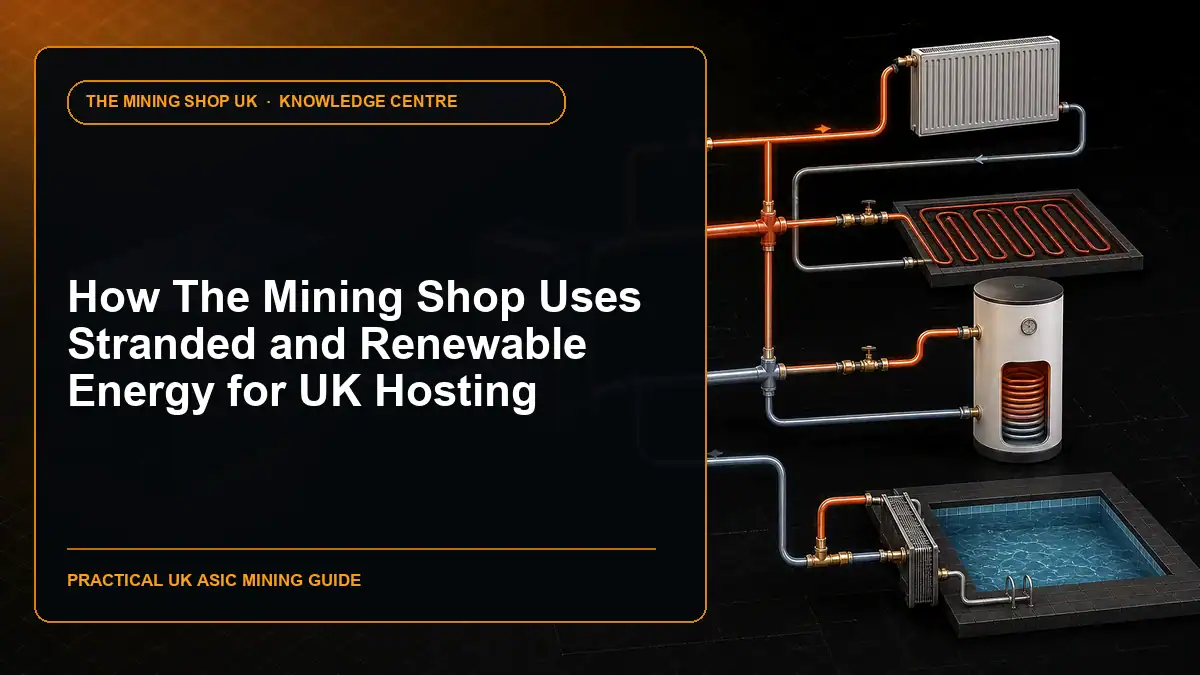
Renewable energy Bitcoin mining UK: UK guidance on contracts, cost, ownership, risk, records and practical checks to complete before committing equipment.
Use this Bitcoin mining handbook after commissioning to manage daily checks, maintenance, pools, security, cost reviews, records, incidents and end-of-life.

ASIC mining in other countries: Some countries permit mining, some license it, some restrict it by region or energy source and some prohibit it.
Join the ASIC Mining Discussion
Members can read and join the discussion
Log in to read comments from other miners. Create a free account if you would like to ask a question or share your experience.
Membership helps us protect the discussion from spam and keep answers useful.