

Antminer Z15 Pro
Zcash & Horizen ASIC Miner
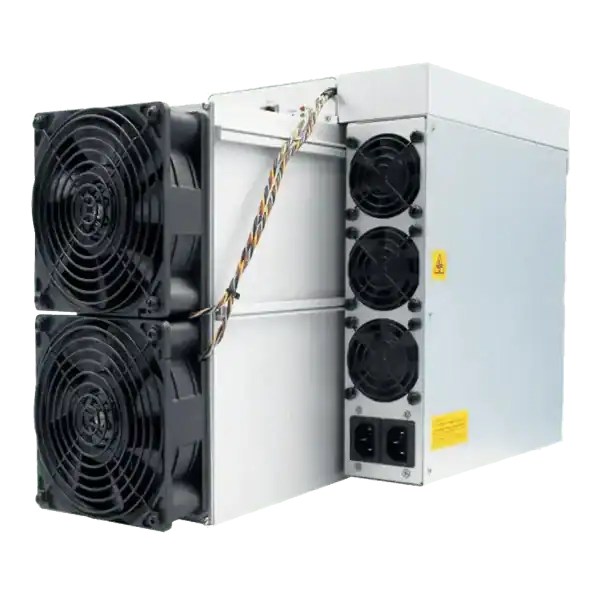

840KSOL
HASHRATE
3.3W/KSOL
EFFICIENCY
2772W
POWER
£1432.57
EST. MONTHLY
8.7
Months
EST. ROI
Hosting vs home mining compared by electricity, cooling, noise, access, contracts, custody, repairs, insurance and practical UK evidence.
Hosting vs home mining is a choice about control, cost and responsibility. At home, the owner supplies electricity, cooling, network, security and maintenance. With physical hosting, the owner places identified hardware at another operator's site under a contract.
Neither option is automatically cheaper or safer. The comparison must use the same ASIC and time period, then include tariff, site work, access, repair, curtailment, insurance, custody and exit. Cloud mining is a different arrangement and should not be confused with hosting owned equipment.
Estimated reading time: 7 minutes
Home mining means the machine runs in your building. Hosting means your identified machine runs in someone else's facility. The miner still needs power, cooling and repairs in both cases. The difference is who provides them, who controls access and how the costs are written.
A home owner has cheap off peak electricity but no safe exhaust route. A host offers a lower energy rate and proper cooling, yet charges repairs and limits visits. The right answer comes from both cost tables and the contract, not the electricity line alone.
| Physical Hosting: | A service operating a customer's identified hardware at a managed site. |
|---|---|
| All In Tariff: | A stated rate intended to include named services and charges. |
| Pass Through Cost: | A cost billed separately when it occurs. |
| Curtailment: | A planned reduction or stop in mining load. |
| Custody: | Practical control of the equipment, accounts or mined assets. |
Home mining can range from one low power unit to a professionally designed private site. The owner controls physical access and usually chooses every network and firmware setting. The same owner also carries the consequences of unsuitable wiring or heat.
Physical hosting should identify the customer's machine and the services supplied. The contract should distinguish ownership from the host's possession. A promise to pay a return without identifiable hardware is not the same model.
Use pence per kilowatt hour for the complete period and identify tax, standing, demand and time band charges. A host rate may include cooling and maintenance or may pass them through separately.
Home electricity can be cheap where there is a valid private supply, generation or flexible tariff. It can also be expensive at full domestic rates. Neither side should use an exceptional promotional rate as if it were permanent.
A hosting vs home mining comparison must count heat and noise. At home, almost all miner electricity becomes heat inside or near the property. Fans create strong continuous noise. Extraction, ducting, filtration, weather protection and neighbour impact can determine whether the plan is practical.
A host may spread cooling infrastructure across many machines, but capacity and maintenance still matter. Ask how inlet conditions, hot air, alarms and shutdowns are controlled. A low energy invoice does not prove that cooling is reliable.

The home option needs a supply suited to the exact voltage, current and continuous duty. A competent person should assess circuit design, protection, earthing, connection and isolation. An extension lead is not an infrastructure plan.
The host should state the electrical environment and accepted models. Ask what happens during overload, grid interruption or maintenance. Evidence can include commissioning records, metering arrangements and a clear responsibility boundary.
A home owner can see, restart and inspect the miner, subject to safe procedures. That access is valuable for learning and rapid diagnosis, but it also requires skill, time and spare parts.
A host may offer remote hands, scheduled repair or replacement stock. Read labour rates, approval thresholds, shipping, warranty handling and expected response. State whether the customer can visit or appoint an independent inspector.
Record model, serial number, photographs, invoice, location and ownership. The host should not become the owner merely because it holds the machine. The contract needs a route to recover or sell equipment.
Pool rewards should normally go to a wallet controlled under the customer's recovery process. If the host controls the pool account or converts rewards, document custody, reconciliation and withdrawal. Verify changes through a trusted channel.
The contract is central to a hosting vs home mining decision. Check term, renewal, tariff formula, deposit, downtime, curtailment, repair, insurance, liability, termination and removal. Identify which costs are included and which are passed through.
Ask what happens if the host, customer or site becomes insolvent or unavailable. A practical exit clause needs access to the hardware, payment of undisputed sums and a timetable. Legal advice may be appropriate for a material fleet.
At home, isolate miner management from ordinary devices, use verified firmware and protect router access. Physical access should also be limited because a reset can change configuration.
At a host, ask how networks are segmented, firmware is approved and configuration changes are logged. The customer needs enough reporting to see pool destination, accepted work, temperature and uptime without receiving unsafe general site access.
Build two tables for the same ASIC and period. Include energy, setup, cooling, repairs, downtime, travel, hosting charges and expected exit cost. Then score control, support and counterparty risk.
Test adverse cases such as a tariff rise, cooling fault, long repair or host closure. Hosting vs home mining should be reviewed when scale, equipment or energy terms change. A mixed approach may suit an owner who wants one learning machine and a hosted fleet.
Hosting prices and service inclusions change. Refresh the hosting vs home mining calculation with a dated written quotation and contract rather than relying on an article example.
Electrical, planning, noise, insurance and tax duties depend on the actual site and activity. Obtain competent advice where needed.
| Issue | Home Mining | Physical Hosting |
|---|---|---|
| Electricity | Owner's tariff and supply | Contracted host rate |
| Cooling | Owner designs and maintains | Host supplies under contract |
| Access | Immediate local access | Controlled by host terms |
| Repairs | Owner arranges | Host service or pass through |
| Exit | Move or sell directly | Recovery route must be written |
A table is a starting point, not a promise. Verify current official sources and apply each detail to the decision you are actually making.
No. Compare the complete tariff, service inclusions, home infrastructure, repairs, downtime and exit cost for the same machine.
That should be clear from the purchase evidence, serial number record and contract. Physical possession by the host is not enough documentation.
No. Physical hosting concerns identifiable hardware. Cloud contracts may sell a service or notional hashrate without customer owned equipment.
The agreement and pool setup decide this. Direct customer control normally reduces custody risk, but every route should be documented.
Only if the power, cooling, noise, network and safety arrangements suit the exact model and the property.
Hosting vs home mining is not a contest between one electricity price and another. Compare the whole operating boundary, control, access and exit. Home suits an owner with appropriate infrastructure and skill. Hosting may suit scale or a difficult tariff, but only when ownership, payouts, repairs and recovery are protected in writing.
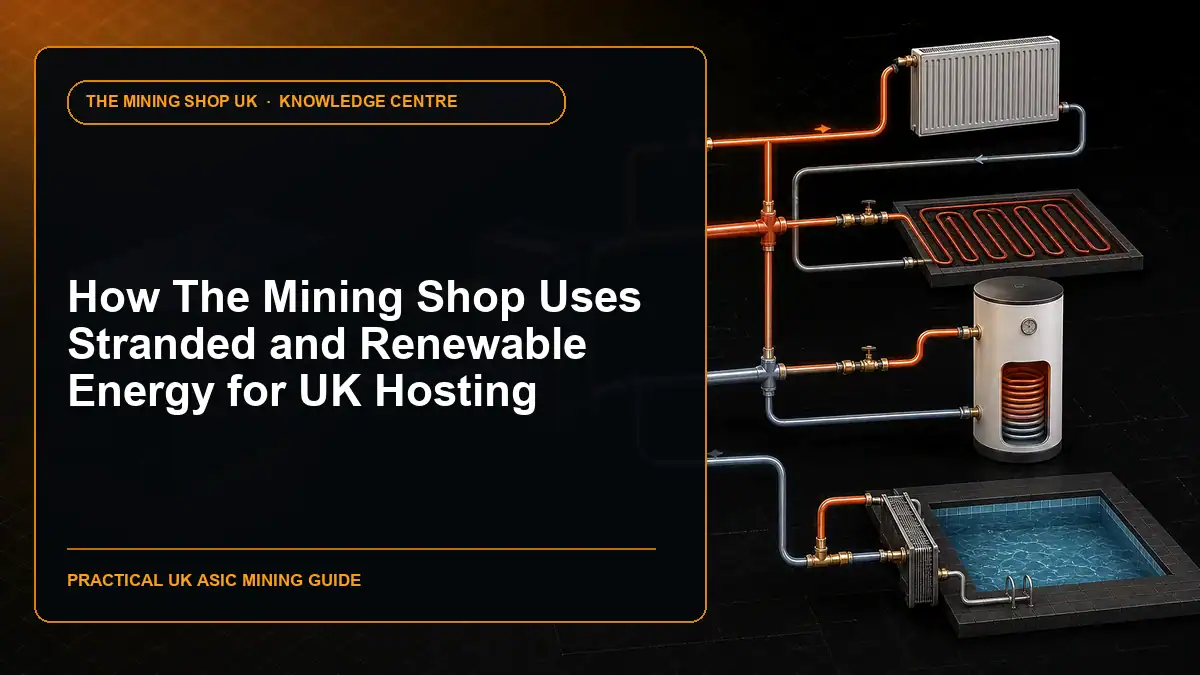
Renewable energy Bitcoin mining UK: UK guidance on contracts, cost, ownership, risk, records and practical checks to complete before committing equipment.
Use this Bitcoin mining handbook after commissioning to manage daily checks, maintenance, pools, security, cost reviews, records, incidents and end-of-life.
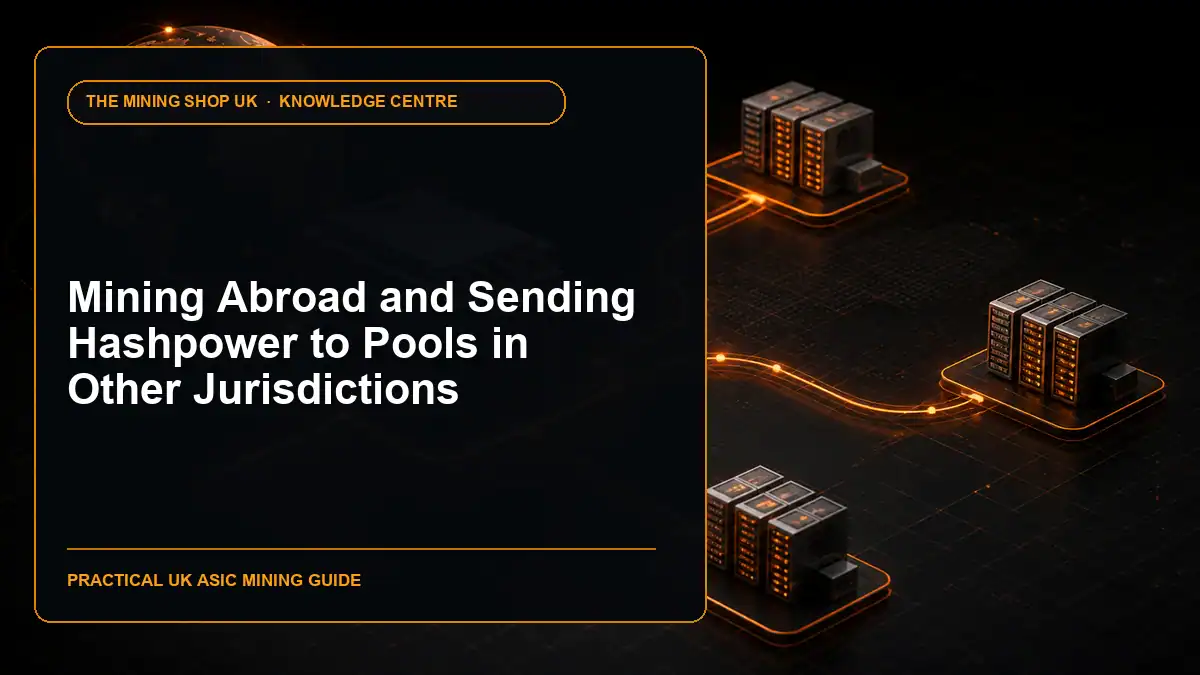
Cross border hashpower: Record where the hardware is located, who owns it, who operates it, who buys electricity, which entity contracts with the pool.
Join the ASIC Mining Discussion
Members can read and join the discussion
Log in to read comments from other miners. Create a free account if you would like to ask a question or share your experience.
Membership helps us protect the discussion from spam and keep answers useful.