

Sealminer A4 Ultra Hydro
Bitcoin & Bitcoin Cash ASIC Miner
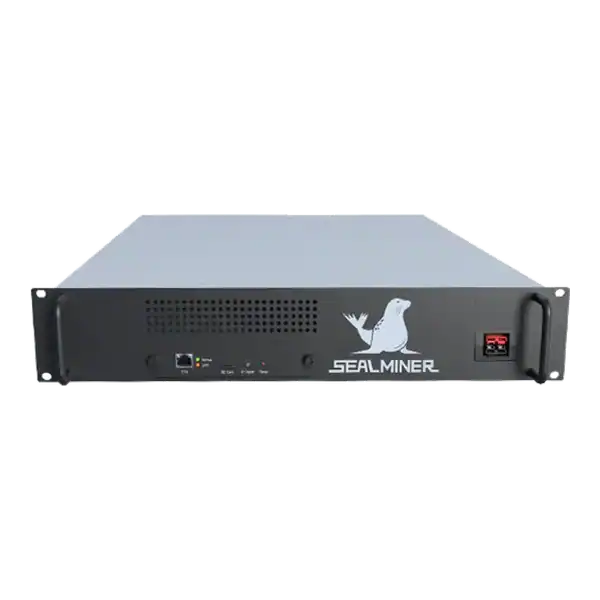

886TH
HASHRATE
9.45W/TH
EFFICIENCY
8373W
POWER
£856.08
EST. MONTHLY
NO PAYBACK
EST. ROI
Use this NerdQaxe buying guide to compare exact boards, assembly, power, cooling, firmware, pool support, seller terms and realistic learning value.
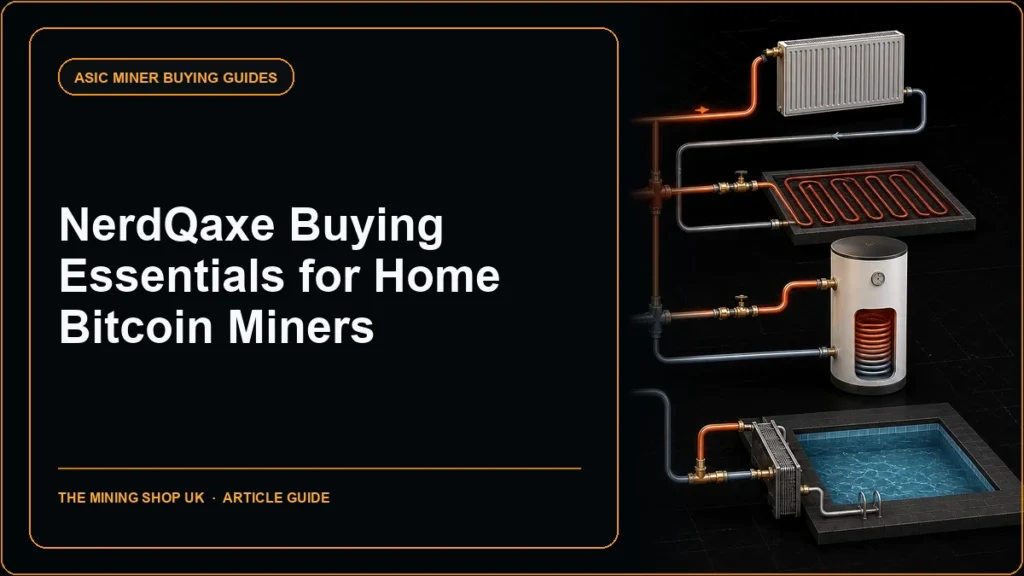
This NerdQaxe buying guide helps a buyer choose an exact product and seller assembly. NerdQaxe is a compact open-source-style SHA-256 miner class. But boards, chips, heatsinks, power supplies, firmware builds and after-sales support can differ. Buy against an identified model, included components and intended learning or mining goal, not a generic photograph or promised daily return.
A NerdQaxe buying guide should lead to an exact, supportable product rather than a generic compact-miner promise.
A miner is checking NerdQaxe buying guide. The strongest buyer protection is a written specification followed by a measured stock acceptance test after delivery at the intended home site.
Ask for the full NerdQaxe model or board revision, ASIC chip, controller, advertised stock hashrate, power range, heatsink, fan, enclosure and firmware. Similar names can describe different community or commercial assemblies.
Confirm whether the unit is a completed tested product, a kit or a bare board. A kit transfers assembly, thermal-interface and electrical responsibilities to the buyer.
Request photographs of the actual assembly and labels. Check whether power supply and cable are included and specified for continuous use.
Open-source origins do not create one universal warranty. The seller remains the first source for its build quality, conformity and commercial terms.

A compact SHA-256 miner can teach pool configuration, accepted shares, efficiency, firmware and cooling at a scale easier to place than a full industrial unit.
Solo mining is a probability experiment. The chance of finding a Bitcoin block depends on sustained hashrate and current network difficulty and can imply an extremely long expected wait.
Pool mining can provide accepted-work evidence. But ordinary payouts may remain below thresholds for long periods. Check the pool’s minimum and fee before treating the device as an income product.
A buyer seeking meaningful commercial cash flow should compare larger efficient ASICs and hosting rather than multiplying an educational result without accounting for infrastructure.
| Item | Question | Evidence |
|---|---|---|
| Board | Which exact revision and ASIC? | Label and project or seller specification |
| Power | What supply and cable are required? | Included-item list and rating |
| Cooling | Which heatsink, fan and limits? | Photographs and test record |
| Firmware | Which build and recovery route? | Source, version and instructions |
| Enclosure | Are live or hot parts protected? | Product photographs and materials |
| Test | What stock result is supplied? | Pool accepted record and conditions |
Do not rank machines by one peak hashrate. Ask for supported stock performance, measured input and normal temperature, then calculate efficiency with accepted work.
A higher-power compact board needs proportionately stronger supply and cooling. Check connector temperature and continuous-duty suitability, not just nominal wattage.
Confirm the firmware project, current maintained build and compatibility with the exact board. Get recovery instructions before purchase where possible.
Check current SHA-256 pool support, worker format, share difficulty and regional endpoint. A dashboard screenshot does not prove the intended pool accepted the seller’s unit.
Review whether remote cloud services, developer fees or automatic updates apply. Decide what network destinations the device will be allowed to use.
Use an isolated home network and avoid public port forwarding. A compact miner is still a connected computer with access to pool and payout configuration.
Add product, VAT treatment, delivery, power supply, cable, enclosure, meter, spare fan and any networking cost. A bare-board price is not the cost of a safe running setup.
Use the actual home tariff and supported power, then compare dated expected revenue under current network conditions. Stress-test difficulty and price rather than extending one daily figure for a year.
Value learning separately. A device can be worthwhile education even when its pool revenue does not cover energy, but describe that choice honestly.
Do not assume resale. Community hardware generations move quickly and future buyers may prefer newer efficiency or support.
Compare at least two completed offers on the same basis. One may include a tested supply, enclosure and UK support while another requires the buyer to source each part and accept overseas return shipping. The cheaper headline board can therefore have the higher complete risk-adjusted cost.
Verify legal or trading identity, domain, contact route, stock and payment beneficiary. For a material or overseas order, check delivery responsibility, customs, insurance and return logistics.
Read warranty scope for board, ASIC, fan, power supply and user tuning. Determine who pays shipping and whether community firmware changes affect coverage.
Ask what happens if the device arrives with unstable hashrate, poor heatsink contact or a failed fan. Get the acceptance period and evidence requirements in writing.
Treat guaranteed returns, scheduled solo blocks and pressure to pay an unrelated wallet as red flags.
A NerdQaxe buying guide should lead to an exact, supportable product rather than a generic compact-miner promise.
Ask for the full NerdQaxe model or board revision, ASIC chip, controller, advertised stock hashrate, power range, heatsink, fan, enclosure and firmware.
A compact SHA-256 miner can teach pool configuration, accepted shares, efficiency, firmware and cooling at a scale easier to place than a full industrial unit.
Do not rank machines by one peak hashrate. Ask for supported stock performance, measured input and normal temperature, then calculate efficiency with accepted work.
A NerdQaxe buying guide should lead to an exact, supportable product rather than a generic compact-miner promise. Match the board and assembly with the intended learning goal, verify power, cooling, firmware and pool support, and price complete ownership.
The strongest buyer protection is a written specification followed by a measured stock acceptance test after delivery at the intended home site. Ask the seller to identify which elements come from the open project and which are its own design or assembly choices.
This distinction helps the buyer direct firmware questions to the project while keeping product condition, power accessories, thermal workmanship, conformity and warranty questions with the actual seller.
Browse home miners and use The Mining Shop UK guidance to compare compact learning value with larger ASIC and hosting routes.
Decide whether the objective is open-hardware learning, solo experimentation or measurable pool contribution. Compact does not mean guaranteed profit. Compare the exact board, ASIC, supported hashrate range, power method, cooling, firmware source, enclosure and included accessories.

Bitcoin ASIC Compatibility made simple. Compare performance, power, cooling, noise and practical risks before choosing or operating mining hardware.
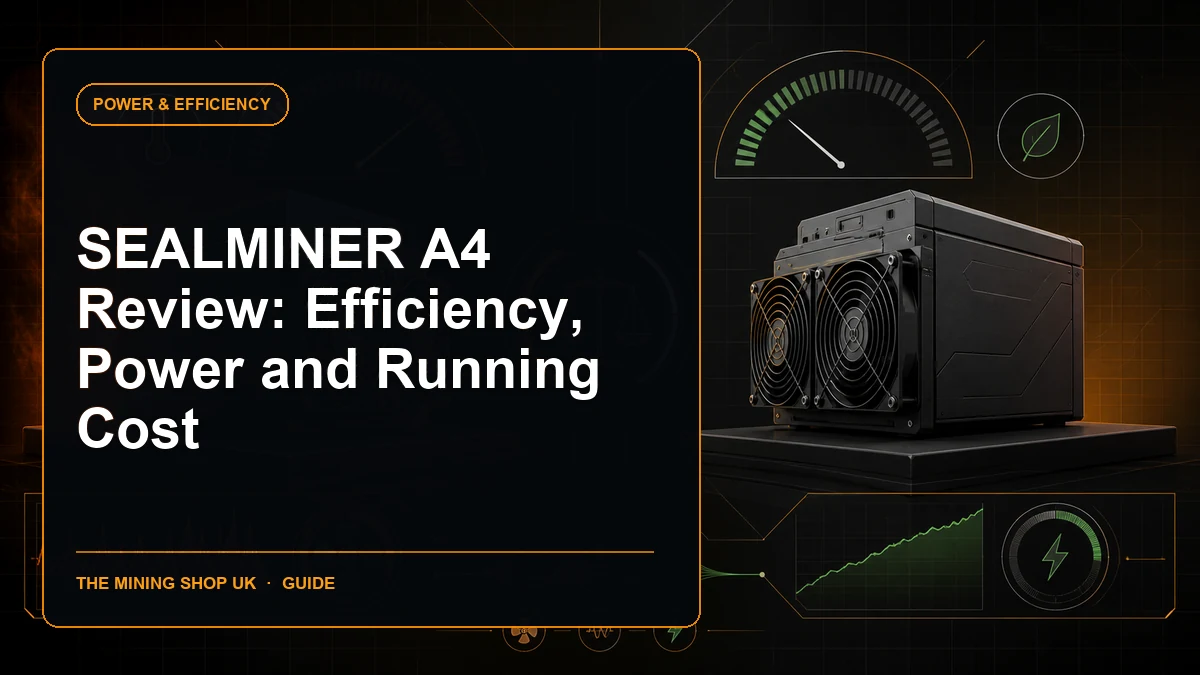
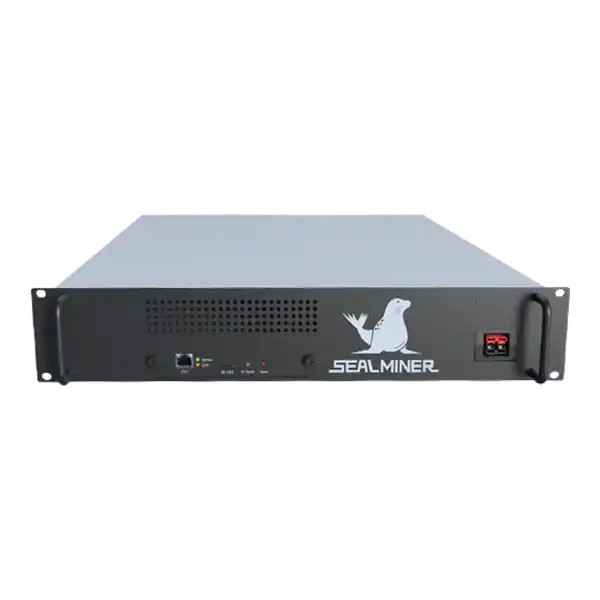
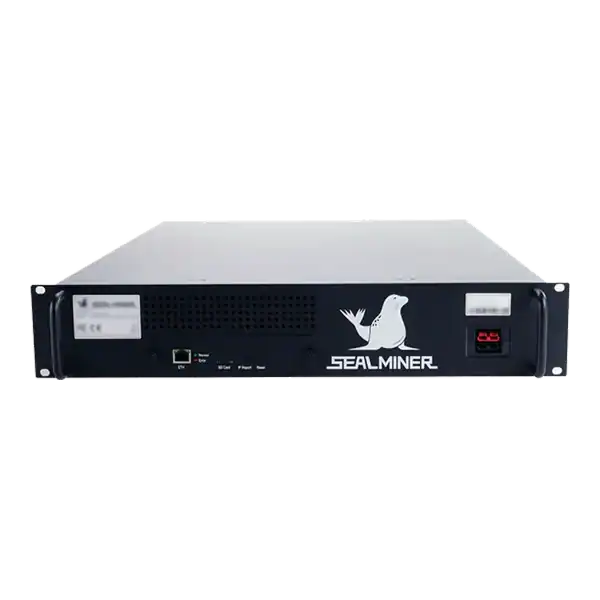
Practical guide to SEALMINER A4 review, covering efficiency and wall power. Compare costs, measured performance and site fit before buying hardware.
Unproven home ASIC launch review: assess an unproven home ASIC launch through manufacturer identity, samples, specifications, certification, firmware, delivery.
Join the ASIC Mining Discussion
Members can read and join the discussion
Log in to read comments from other miners. Create a free account if you would like to ask a question or share your experience.
Membership helps us protect the discussion from spam and keep answers useful.