

Sealminer A4 Ultra Hydro
Bitcoin & Bitcoin Cash ASIC Miner
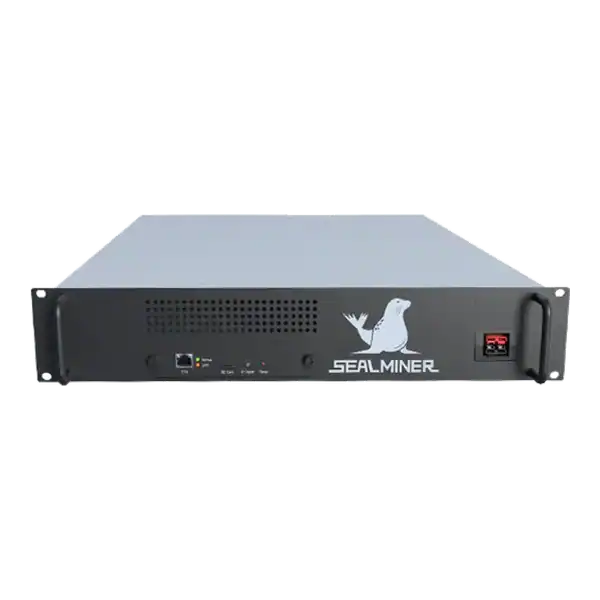

886TH
HASHRATE
9.45W/TH
EFFICIENCY
8373W
POWER
£916.50
EST. MONTHLY
NO PAYBACK
EST. ROI
Bitcoin ASIC Compatibility made simple. Compare performance, power, cooling, noise and practical risks before choosing or operating mining hardware.
Bitcoin ASIC compatibility requires more than the word 'Bitcoin'. In a listing. The machine must perform Bitcoin's double SHA-256 proof of work, its controller and firmware must communicate with a current Bitcoin pool or solo stack, and the exact variant must fit the site's voltage and cooling.
Payout in bitcoin does not prove direct Bitcoin mining because marketplaces can pay bitcoin for other algorithms.
Bitcoin ASIC compatibility: A genuine SHA-256 ASIC can still be unsuitable for a UK home or facility. Confirm voltage, continuous current, connector, protection, heat, noise, network and safe access.
A miner is checking Bitcoin ASIC compatibility. For used machines, return to a known supported stock build where lawful and safe, then check every board, fan and sensor before judging compatibility.
Bitcoin miners repeatedly hash an 80-byte block header using SHA-256 twice and compare results with the network target. A modern Bitcoin ASIC contains specialised circuitry for that workload.
Scrypt, kHeavyHash, Equihash and other ASICs implement different work. A controller setting cannot make them submit valid Bitcoin proof of work competitively.
Several networks can use SHA-256, and pools may support coin switching or merged mining. That can broaden routes without changing the physical algorithm.
Use current primary network and manufacturer sources. Product databases and calculators are useful cross-checks but can carry old algorithms or coin lists.
Confirm whether the manufacturer uses TH/s, GH/s or another unit and preserve that unit throughout the comparison. A thousand-fold unit mistake can survive a polished spreadsheet when the algorithm label is omitted.

A service can convert Scrypt, kHeavyHash or other mining revenue and pay the customer in bitcoin. A hashrate marketplace can also buy non-SHA-256 work and pay its seller in bitcoin.
Those arrangements may be useful. But they are not direct Bitcoin mining. The operator takes the pool or marketplace conversion, custody, fee and counterparty risk in addition to the underlying algorithm economics.
Ask a seller to state the chip algorithm, intended network, pool or marketplace and payout asset separately. Avoid one combined list headed ‘coins mined’.
For tax and operational records, retain what work was delivered and what asset was received. A bitcoin payment does not rewrite the hardware specification.
Where a service automatically exchanges rewards, inspect the conversion timing, spread, minimum and withdrawal fee. A direct SHA-256 pool and a conversion service can produce different net bitcoin receipts even when the displayed payout asset is identical.
| Layer | Evidence | Pass condition |
|---|---|---|
| Silicon | Manufacturer algorithm | SHA-256 supported |
| Model | Nameplate and serial | Exact listed variant |
| Firmware | Version and release notes | Bitcoin pool protocol supported |
| Pool | Official setup and test | Accepted SHA-256 shares |
| Payout | Pool account and wallet | Intended destination verified |
| Site | Electrical and cooling design | Safe continuous operation |
Similar case designs can contain different hashboards or cooling systems. Verify the label and controller rather than recognising a photograph.
For used machines, return to a known supported stock build where lawful and safe, then check every board, fan and sensor before judging compatibility.
Use a Bitcoin pool endpoint copied from its current official instructions. Give the miner a unique worker name and verify the intended payout account independently.
Run at a supported stock profile. Confirm stable local hashrate, then wait for accepted shares and a pool-side hashrate estimate over a representative period.
A local display alone is not proof. Wrong algorithm, endpoint, worker or network settings can leave the chips active while the intended pool receives no valid work.
Record rejects by type. An authorisation or stale error needs a different correction from invalid algorithm work. Change one variable at a time.
Allow the pool’s share-difficulty system to settle and wait for a fair sample. One accepted share proves some compatibility. But a sustained accepted rate is needed to expose intermittent firmware, network or board faults.
A genuine SHA-256 ASIC can still be unsuitable for a UK home or facility. Confirm voltage, continuous current, connector, protection, heat, noise, network and safe access.
Use measured wall power and pool accepted hashrate to calculate J/TH. A working older Bitcoin miner may consume more than the current revenue at the site’s delivered energy rate.
Air, hydro and immersion versions need different infrastructure. Do not substitute cooling methods or run a hydro model without its required flow, fluid and heat rejection.
Check warranty and parts. A cheap compatible machine with no economic repair or resale route can still be a poor purchase, especially after freight, downtime and installation are counted.
Primary documentation identifies SHA-256, the exact model and firmware receive accepted work from the intended pool, and the site safely supports the machine.
Proceed to supplier, warranty and economic due diligence rather than treating compatibility as the final approval.
Do not pay where the seller cannot identify algorithm, variant, firmware or a current accepted-work route. Get serial-specific evidence or choose a documented model.
A promised future firmware update is not current compatibility.
Bitcoin ASIC compatibility: A genuine SHA-256 ASIC can still be unsuitable for a UK home or facility.
Bitcoin miners repeatedly hash an 80-byte block header using SHA-256 twice and compare results with the network target.
A service can convert Scrypt, kHeavyHash or other mining revenue and pay the customer in bitcoin.
Similar case designs can contain different hashboards or cooling systems. Verify the label and controller rather than recognising a photograph.
Bitcoin ASIC compatibility can be proven layer by layer: SHA-256 silicon, exact model, compatible firmware, current pool protocol and accepted work. Keep payout currency separate from the algorithm, then assess whether the site and economics support the machine. A compatibility pass permits due diligence. It does not guarantee profit.
Browse verified SHA-256 models and compare measured efficiency using The Mining Shop UK tools before purchasing.
Verify SHA-256 from manufacturer and chip documentation. Do not infer the algorithm from payout currency or a reseller's coin list. Confirm exact model, firmware, pool endpoint and accepted shares on Bitcoin or another intended SHA-256 route.
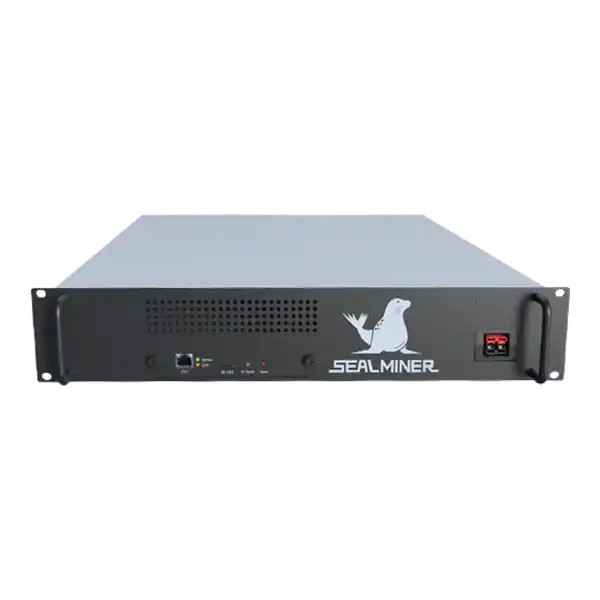

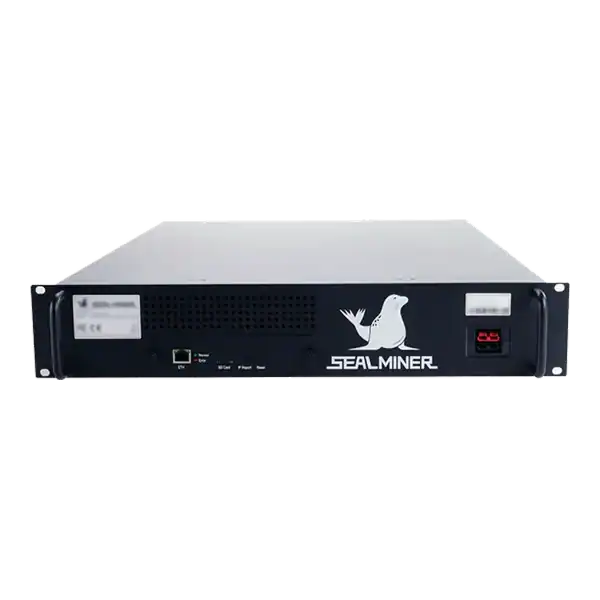
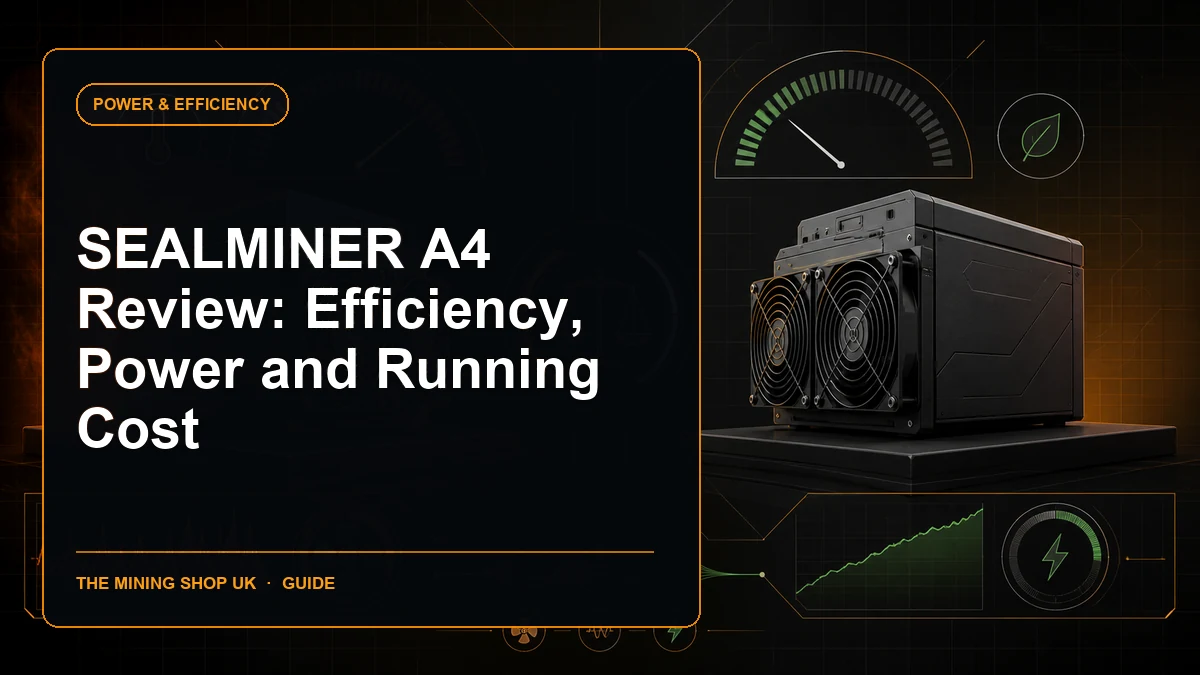
Practical guide to SEALMINER A4 review, covering efficiency and wall power. Compare costs, measured performance and site fit before buying hardware.
Unproven home ASIC launch review: assess an unproven home ASIC launch through manufacturer identity, samples, specifications, certification, firmware, delivery.
Set algorithm-locked ASIC obsolescence triggers from network support, efficiency gap, pool access, firmware, repair parts, resale and remaining contribution.
Join the ASIC Mining Discussion
Members can read and join the discussion
Log in to read comments from other miners. Create a free account if you would like to ask a question or share your experience.
Membership helps us protect the discussion from spam and keep answers useful.