

Sealminer A4 Ultra Hydro
Bitcoin & Bitcoin Cash ASIC Miner
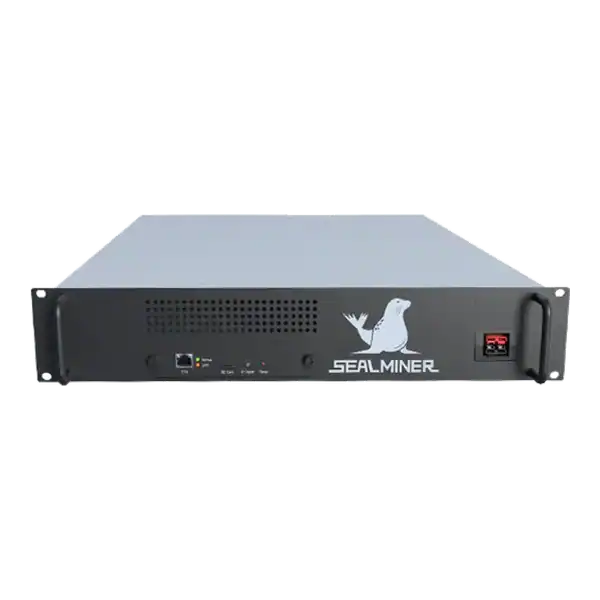

886TH
HASHRATE
9.45W/TH
EFFICIENCY
8373W
POWER
£884.60
EST. MONTHLY
NO PAYBACK
EST. ROI
How mining pools work: and What It Takes to Operate One focuses on a safe, supportable setup. Check current pool and network details.
How mining pools work: and What It Takes to Operate One focuses on a safe, supportable setup. Check current pool and network details.
How Mining Pools Work and What It Takes to Operate One focuses on a safe, supportable setup. The aim is stable hashrate, secure access and clear monitoring, not a rushed configuration that is difficult to maintain.
How mining pools work: A mining pool is a group of miners working together to solve blockchain algorithms. When a block is successfully mined, the rewards are split based on the amount of computational power contributed by each miner.
A miner wants to understand how mining pools work. If you're creating a mining pool for ASIC devices, you can offer miners a more efficient and profitable experience compared to solo mining.
Creating a mining pool is an exciting way to bring together a group of miners, maximise rewards, and have complete control over the mining process. This guide will take you through every step of the process, from setting up your server to attracting miners to your pool.
If you are new to the concept or a seasoned cryptocurrency enthusiast, you’ll find everything you need here to start creating a mining pool.

A mining pool is a group of miners working together to solve blockchain algorithms. When a block is successfully mined, the rewards are split based on the amount of computational power contributed by each miner. If you’re creating a mining pool for ASIC devices, you can offer miners a more efficient and profitable experience compared to solo mining.
Before creating a mining pool, familiarize yourself with the following components:
Key Insight: The cryptocurrency you intend to mine determines the software and server specifications you’ll need.
This foundational step is critical when creating a mining pool, as it ensures your system is stable and secure.
Software configuration is the backbone of creating a mining pool, enabling it to handle miner connections and distribute rewards efficiently.
Before inviting other miners, test the pool using your own ASIC devices. During this phase of creating a mining pool, check:
Pro Tip: Conduct stress tests to ensure the pool can handle multiple miners simultaneously.
Now that you’ve completed the technical setup, focus on building your community. Successful efforts in creating a mining pool depend on attracting participants.
Here’s a list of must-have tools:
For extra equipment and support in creating a mining pool, visit The Mining Shop.
Creating a mining pool for ASIC devices is a challenging but rewarding endeavor. By following this guide, you’ll have all the tools and knowledge needed to succeed in the competitive cryptocurrency mining space. For mining hardware and other resources, visit The Mining Shop to get started today!
How mining pools work: A mining pool is a group of miners working together to solve blockchain algorithms.
A mining pool is a group of miners working together to solve blockchain algorithms.
Before creating a mining pool , familiarize yourself with the following components: Key Insight: The cryptocurrency you intend to mine determines the software and server specifications you’ll need.
Here’s a list of must-have tools: For extra equipment and support in creating a mining pool , visit The Mining Shop .
Document the miner, firmware source, pool endpoints, wallet destination and network settings before deployment. Change default credentials, restrict management access and keep the miner away from untrusted networks.
Use these pages to move from research to a product or operating decision:
For mining pools work, check current official guidance and retain the evidence used for the decision. Use current official guidance alongside this article because network rules, tax guidance and safety duties can change.
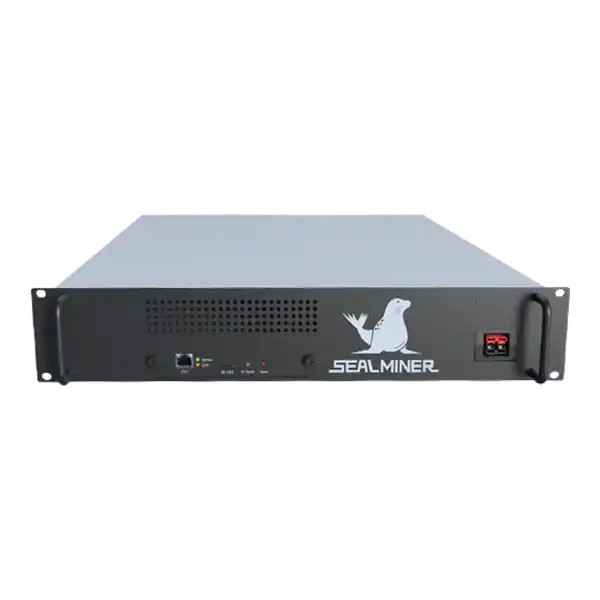

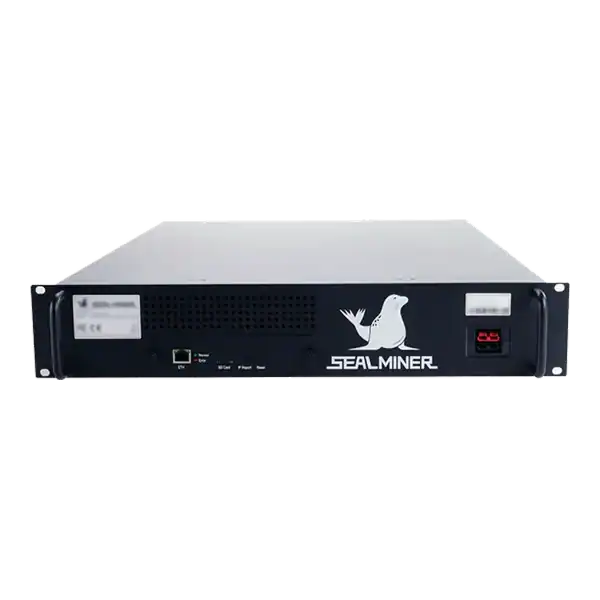
Mining pool ownership due diligence: check mining pool ownership, legal entity, beneficial control, infrastructure, payout custody, related services, sanctions.
Plan a solo mining variance reserve around fixed costs, expected block intervals, uptime, liquidity, accounting and a documented stop or pool-switch rule.
Verify a mining pool Bitcoin chain policy made simple. See how the network works, which hardware matters and what to check before using electricity.
Join the ASIC Mining Discussion
Members can read and join the discussion
Log in to read comments from other miners. Create a free account if you would like to ask a question or share your experience.
Membership helps us protect the discussion from spam and keep answers useful.