

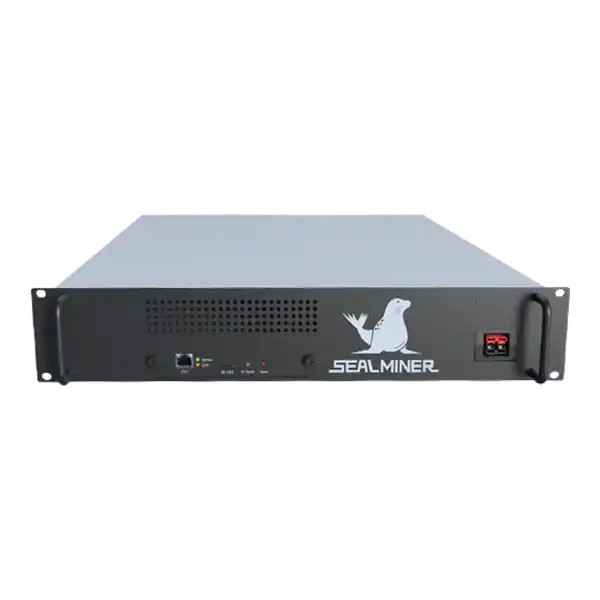
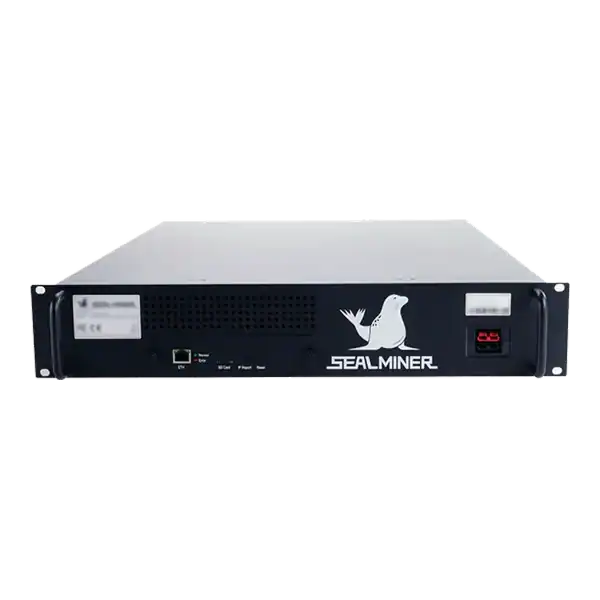
Sealminer A4 Ultra Hydro
Bitcoin & Bitcoin Cash ASIC Miner
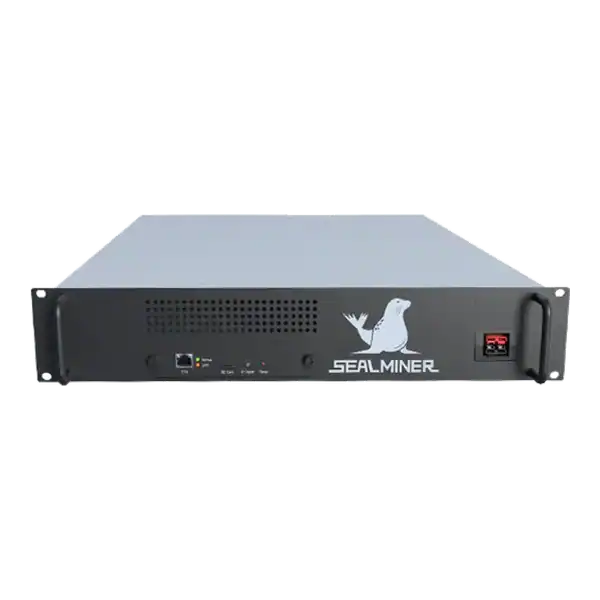

886TH
HASHRATE
9.45W/TH
EFFICIENCY
8373W
POWER
£928.03
EST. MONTHLY
NO PAYBACK
EST. ROI
Understand ASIC hosting due diligence through operator identity and site evidence. Check costs, controls, custody and contract terms before deployment.
ASIC hosting due diligence should be completed before you pay for or send valuable mining hardware to a third-party facility.
ASIC hosting moves power, cooling and day-to-day operation to a specialist site. But it also puts valuable hardware outside your direct control. UK buyers should verify the legal operator, physical facility, complete price, service levels, insurance, monitoring, repair process, ownership records and exit route before paying for or shipping equipment.
ASIC hosting due diligence: Hosting can solve the difficult parts of running an industrial ASIC: continuous power, cooling, connectivity, noise and onsite fault response.
A site operator is checking ASIC hosting due diligence. Your machine may be thousands of miles away while somebody else controls access, billing, maintenance and release.
Hosting can solve the difficult parts of running an industrial ASIC: continuous power, cooling, connectivity, noise and onsite fault response. The trade-off is control. Your machine may be thousands of miles away while somebody else controls access, billing, maintenance and release.
Due diligence means collecting evidence that the legal entity, physical operation and written obligations match. This is commercial guidance, not legal, tax or insurance advice. Get professional advice for a material deployment.

Start with the exact legal name, registration number, address and contracting entity. Companies House provides UK company details, officers, filings, charges and insolvency information. It publishes filed information, however. It does not guarantee every claim or the company's financial strength. Establish who operates the site.
A reseller may use a separate facility owner or overseas subcontractor. Ask who holds the hardware, invoices you, owes the service obligation and releases the miners. The contract should explain every link. Request the country and a suitably specific site description. Security may prevent publication of a full address.
But the provider should evidence the site and its control of capacity. A live video call, time-stamped footage, documents and a pilot beat stock photographs.
A low rate per kWh means little until you know what it includes. Get a schedule covering energy, currency, tax, deposit, siting, cooling, minimum charges, management, repairs, parts, shipping and withdrawal. Ask whether consumption is metered, rated or fixed. For a floating price, identify the index, adjustment interval and notice. Confirm when billing begins and how idle machines, commissioning delays and downtime are treated.
| Cost item | Question to ask |
|---|---|
| Electricity | Is the quoted rate genuinely all-in, and how is consumption measured? |
| Setup | Are siting, cables, tanks, coolant, plumbing or commissioning charged separately? |
| Repairs | What are the diagnostic, labour, parts and approval rules? |
| Downtime | Are charges suspended or credited when the site or machine is offline? |
| Exit | Who pays de-racking, draining, packaging, customs and insured return freight? |
Confirm support for the exact model, algorithm, voltage, connector, power and cooling method. For hydro or immersion, check flow, fluid or coolant requirements, heat rejection, leak response and commissioning. For air cooling, ask about recirculation, filtration and seasonal conditions. Get the target uptime and its definition.
Check exclusions for maintenance, curtailment, pool outages, customer settings and machine faults. How downtime is measured. When credits apply. And whether charges continue. Understand monitoring, alerts and pool access. Nobody needs your wallet seed phrase. Also ask who diagnoses faults. This spares are onsite, what spending needs approval and when a unit leaves for repair.
The agreement should confirm that the identified hardware remains yours unless the deal expressly says otherwise. Keep invoices, serials, photographs, test reports and delivery records. 'Ten miners'. Is weaker evidence than ten recorded models and serials. Read the term, renewal, suspension, termination and notice rules.
Check whether the host can retain or sell hardware for unpaid bills and how disputes work. Seek legal advice on unclear or foreign-law provisions. Make the exit practical: authorised requester, identity check, de-racking time, condition report, packaging, coolant draining and insured freight. Address site closure, insolvency and the end of any subcontracting arrangement.
Some documents are sensitive. Refusing to publish a detailed electrical diagram is not itself suspicious. Refusing all credible evidence of the site, contract or custody is.
Walk away from guaranteed returns, pressure for immediate irreversible payment, seed-phrase requests, blank contracting entities and claims with no credible site evidence. Copied photographs, inconsistent addresses and payment to an unrelated individual are serious warnings. Also challenge unclear curtailment, hidden fees, no serial records, no repair approvals, no hardware-return route and a long term without a service standard.
ASIC hosting should reduce operational friction, not replace it with uncertainty. Verify who has your equipment, where it will run, how every charge is calculated and how you get the machines back. Demand sensible evidence, keep a serialised ownership record and put performance, repairs and exit terms in writing.
The strongest hosting offer is not simply the lowest advertised kWh rate. It is the one whose infrastructure, people, contract and economics still make sense after scrutiny.
Hosting can solve the difficult parts of running an industrial ASIC: continuous power, cooling, connectivity, noise and onsite fault response. The trade-off is control.
Start with the exact legal name, registration number, address and contracting entity. Companies House provides UK company details, officers, filings, charges and insolvency information.
Confirm support for the exact model, algorithm, voltage, connector, power and cooling method. For hydro or immersion, check flow, fluid or coolant requirements, heat rejection, leak response and commissioning.
Some documents are sensitive. Refusing to publish a detailed electrical diagram is not itself suspicious.
Walk away from guaranteed returns, pressure for immediate irreversible payment, seed-phrase requests, blank contracting entities and claims with no credible site evidence. Copied photographs, inconsistent addresses and payment to an unrelated individual are serious warnings.
The Mining Shop UK compares air, hydro and immersion hosting by site, rate, compatibility and operating terms. Tell us the exact miner model, quantity and cooling method and we will help you examine the complete deployment rather than only the headline price.
Verify the contracting company and the business actually operating the physical site. Get an all-in cost schedule, not just a headline price per kWh.

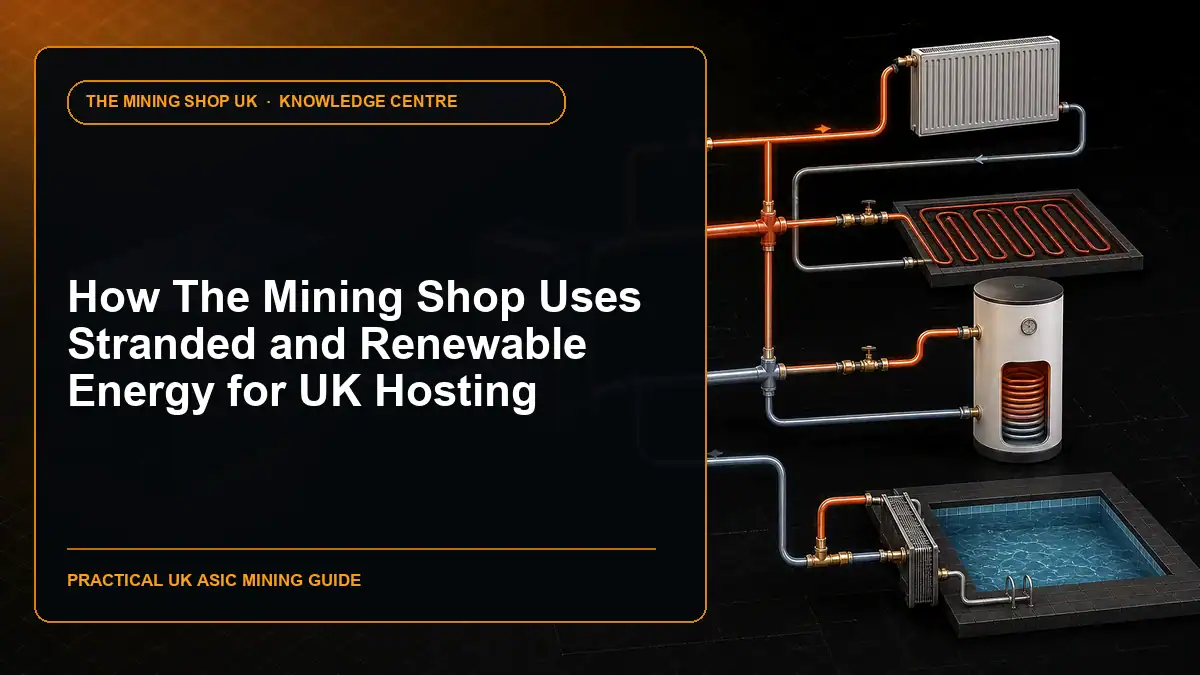
Renewable energy Bitcoin mining UK: UK guidance on contracts, cost, ownership, risk, records and practical checks to complete before committing equipment.
Use this Bitcoin mining handbook after commissioning to manage daily checks, maintenance, pools, security, cost reviews, records, incidents and end-of-life.
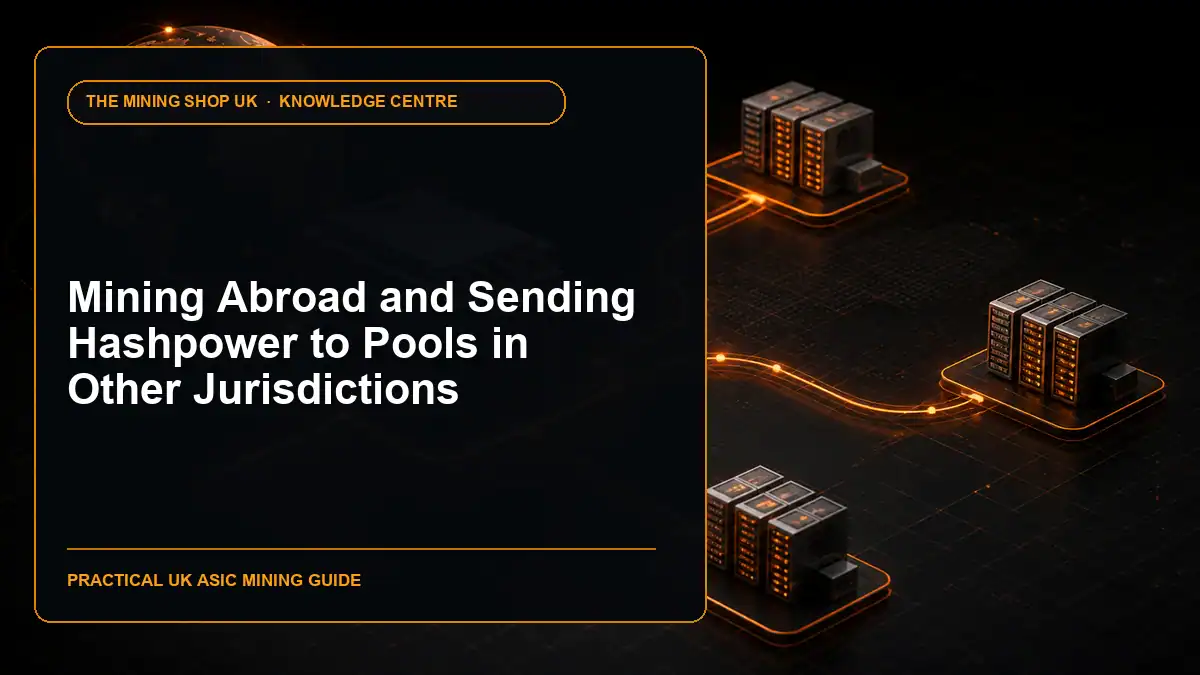
Cross border hashpower: Record where the hardware is located, who owns it, who operates it, who buys electricity, which entity contracts with the pool.
Join the ASIC Mining Discussion
Members can read and join the discussion
Log in to read comments from other miners. Create a free account if you would like to ask a question or share your experience.
Membership helps us protect the discussion from spam and keep answers useful.