

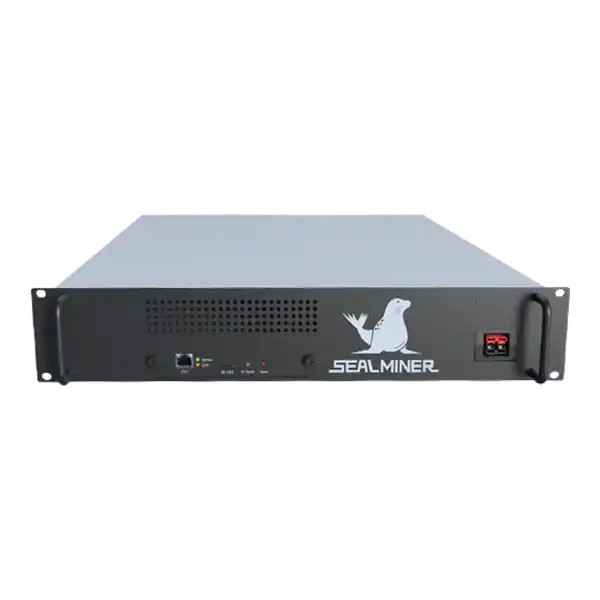
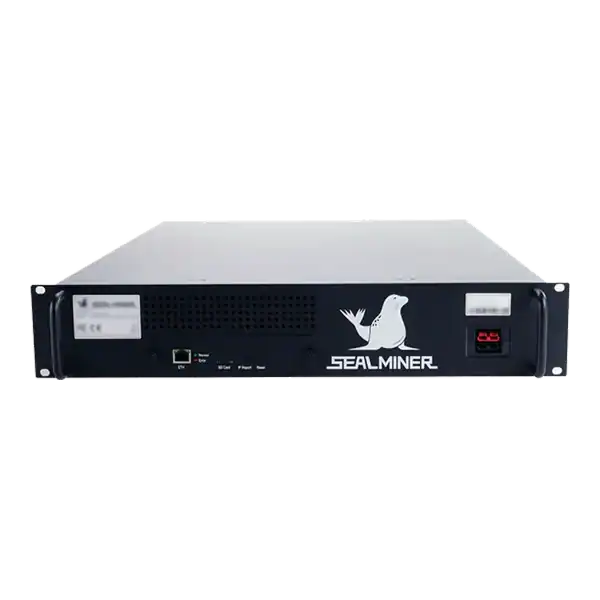
Sealminer A4 Ultra Hydro
Bitcoin & Bitcoin Cash ASIC Miner
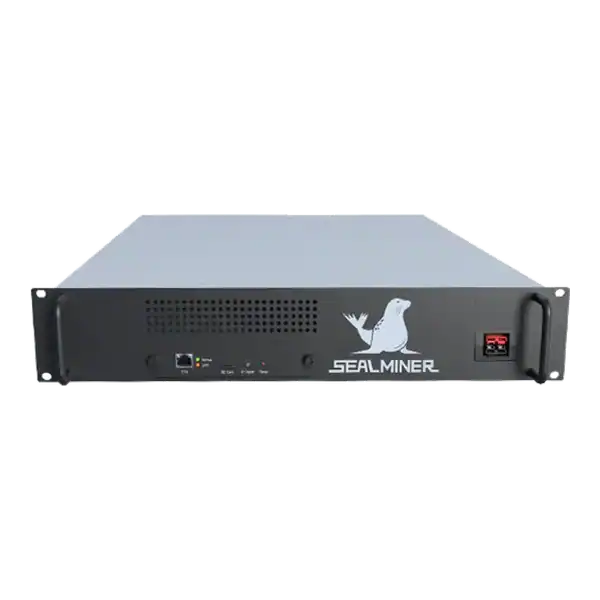

886TH
HASHRATE
9.45W/TH
EFFICIENCY
8373W
POWER
£916.50
EST. MONTHLY
NO PAYBACK
EST. ROI
ASIC hosting contract checklist: review ASIC hosting contracts clause by clause: parties, asset title, energy billing, uptime, custody, insurance, repairs.

An ASIC hosting contract checklist turns a sales proposal into a document that can be operated, reconciled and exited.
UK buyers should identify every legal party, attach a machine schedule, define energy and service charges, state how uptime and hashrate are measured, allocate custody and insurance, control repairs and relocation, and describe default and return procedures. Cross-border facilities add governing-law, local-regulation and enforcement questions.
This guide is a buyer review method rather than a replacement for The Mining Shop's own Hosting Terms and Conditions or independent legal advice.
ASIC hosting contract checklist: A strong ASIC hosting contract converts physical custody, continuous energy use and volatile mining output into definitions that can be evidenced.
A UK business owner is checking ASIC hosting contract checklist. Verify the parties and asset schedule, reproduce billing and performance, allocate repairs and insurance, and read default and exit clauses before delivery.
Record the customer’s and provider’s full legal names, registration details, addresses, tax identifiers where relevant, service contacts and authorised signatories. If the seller, facility operator, power counterparty and equipment custodian are different entities, state each role and which one owes each obligation.
List the documents in priority order: signed order, hosting terms, site schedule, equipment schedule, price schedule, service level, privacy terms and approved change orders. A link to terms that can change silently is weaker than a dated copy incorporated into the contract.
State the start condition. It may be delivery to a named facility, successful commissioning or customer acceptance. Define what happens when a machine arrives damaged, fails a pre-site test or cannot be installed by the expected date.

The equipment schedule should list owner, manufacturer, model, serial, cooling type, condition, declared value and any included power supply or accessories. It should be updated when a board or whole miner is replaced.
State that hosting does not transfer title unless the transaction deliberately says otherwise. Deal with fixtures and pooled cooling components separately because cables, tanks, pumps or site equipment may not belong to the customer even when the miner does.
Explain whether assets can be moved within the site group, to another facility or across a border, who approves the move, who pays and how insurance follows it. Emergency relocation can have a different approval process from a commercial move but still needs notification and records.
Define whether energy is metered, calculated from measured machine power, billed from a fixed rate or included in a flat service. State the unit, tariff components, tax, auxiliary-load treatment, data source, reading interval and invoice period.
If price can change, specify the trigger, evidence, notice and customer options. A vague right to pass through any increase leaves the buyer unable to model exposure. A fixed term can still contain curtailment or change provisions. But they should be explicit.
List setup, deposit, management, repair, network, storage, relocation and return charges. State whether a deposit is security, prepaid final-month service or a non-refundable setup payment. These labels have different commercial effects.
| Schedule | Minimum contents | Reconciliation evidence |
|---|---|---|
| Equipment | Owner, model, serial, value and condition | Receipt and commissioning record |
| Energy | Formula, unit, rate, tax and auxiliary load | Meter or agreed calculation |
| Service | Included work and response route | Tickets and maintenance log |
| Performance | Uptime and hashrate definitions | Pool, device and site events |
| Insurance | Party, perils, limit, excess and valuation | Policy evidence and claim record |
| Exit | Notice, balance, storage and transport | Release and shipment record |
If the agreement promises uptime, define numerator, denominator, measurement system and exclusions. Separate site-caused outage from miner hardware failure, customer pool or wallet error, planned maintenance, grid instruction and force majeure. State the remedy and whether it is credit, replacement hashrate or another agreed action.
Define which pool account, worker identity and time window support hashrate reporting. A local dashboard and pool accepted rate can differ. So the contract should not use the word hashrate without naming the governing metric.
Allocate rights to reboot, tune, underclock, change pool, update firmware or balance electrical loads. A host may need emergency control for safety and grid compliance. At the same time, customer-directed changes should remain within manufacturer, warranty and site limits.
State who may diagnose and repair the miner, the approval threshold, parts standard, warranty route and treatment of third-party manufacturer claims. Define whether the host can charge labour or logistics during an external warranty case.
Allocate risk during inbound transport, facility custody, internal movement, outbound transport and customer collection. Require tracked and appropriately insured carriage where the customer bears the route risk.
Insurance wording should identify the insured interest, covered perils, limit, excess, exclusions and valuation basis. The contract should explain whether the customer bears the excess and what evidence is needed for a claim. Business interruption or lost mining revenue is a separate question from equipment loss.
Define invoice due dates, dispute procedure, grace period, suspension, continued fixed charges and termination. If the provider can retain hardware for unpaid sums, get legal advice on the scope and enforcement of that clause rather than relying on the word lien alone.
Set notice, final reconciliation, shutdown, collection, packaging and return deadlines. State daily storage charges and the process for apparently abandoned goods, including required notices and sale or disposal accounting.
Cross-border hosting needs chosen law, forum or arbitration, language, service of notices and practical judgment enforcement. UK government guidance notes that private international law determines jurisdiction, applicable law and recognition of foreign judgments. A favourable clause is only useful if it can be enforced against the correct entity and assets.
Keep the signed version, schedules, invoices and operational records together. A contract review is not finished when the document is signed. The records must continue to prove how it was performed.
ASIC hosting contract checklist: A strong ASIC hosting contract converts physical custody, continuous energy use and volatile mining output into definitions that can be evidenced.
Record the customer's and provider's full legal names, registration details, addresses, tax identifiers where relevant, service contacts and authorised signatories.
The equipment schedule should list owner, manufacturer, model, serial, cooling type, condition, declared value and any included power supply or accessories.
Define whether energy is metered, calculated from measured machine power, billed from a fixed rate or included in a flat service.
A strong ASIC hosting contract converts physical custody, continuous energy use and volatile mining output into definitions that can be evidenced. Verify the parties and asset schedule, reproduce billing and performance, allocate repairs and insurance, and read default and exit clauses before delivery. For overseas facilities, add local-law and enforcement advice.
Use this checklist to review a proposed agreement, then have the final high-value contract considered by an appropriately qualified adviser.
Compare the proposed agreement with The Mining Shop’s published Hosting Terms and complete an equipment, energy and insurance schedule before commissioning any miner.
The contract should identify the legal provider, site role and every hosted miner by ownership, model, serial, condition and declared value. Energy, uptime and hashrate clauses need formulas, data sources, exclusions and remedies that both parties can reproduce.


ASIC insurance coverage exclusions: review ASIC insurance exclusions for wear, electrical breakdown, overheating, corrosion, firmware, cyber events, unattended.

ASIC hardware insurance UK: prepare ASIC hardware insurance evidence for UK-owned miners: asset schedule, valuation, site, electrical controls, custody.

Claim VAT on ASIC Miners made simple. Check the UK rules, records, figures and evidence before filing a return or taking professional advice.
Join the ASIC Mining Discussion
Members can read and join the discussion
Log in to read comments from other miners. Create a free account if you would like to ask a question or share your experience.
Membership helps us protect the discussion from spam and keep answers useful.