

Sealminer A4 Ultra Hydro
Bitcoin & Bitcoin Cash ASIC Miner
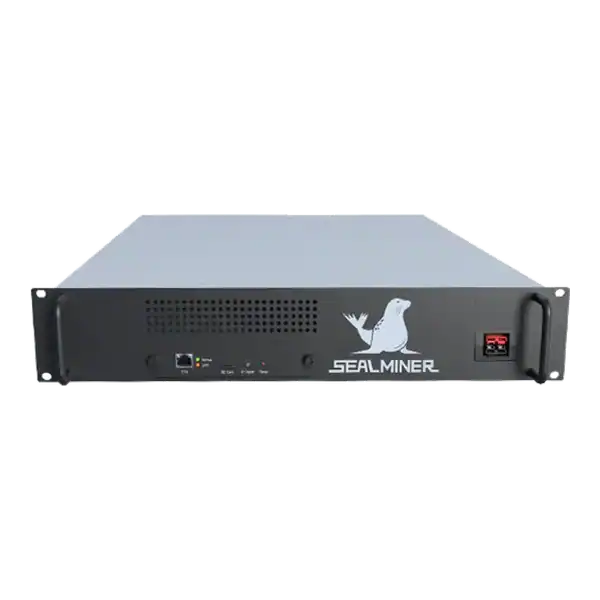

886TH
HASHRATE
9.45W/TH
EFFICIENCY
8373W
POWER
£933.46
EST. MONTHLY
NO PAYBACK
EST. ROI
Stress-test Bitcoin mining profitability using electricity, uptime, difficulty, pool fees and hardware cost before you buy an ASIC miner.

This guide explains Bitcoin mining profitability stress test for UK ASIC buyers and operators. It covers electricity, uptime, difficulty, fees and hardware cost, identifies the checks that change the decision and separates useful operating evidence from headline claims. Verify current specifications, prices and service terms before acting, then apply your own electricity cost, site limits and risk tolerance.
A Bitcoin mining profitability stress test is not a second version of the best-case calculator. It asks whether a proposed machine remains tolerable when several inputs move against you at the same time.
A miner wants to understand Bitcoin mining profitability. Before opening a spreadsheet, state the decision: buying one miner, extending a fleet, choosing home operation, or signing a fixed hosting term.
A Bitcoin mining profitability stress test is not a second version of the best-case calculator. It asks whether a proposed machine remains tolerable when several inputs move against you at the same time.
Before opening a spreadsheet, state the decision: buying one miner, extending a fleet, choosing home operation, or signing a fixed hosting term. Then state the period over which the decision must work.
Separate cash survival from investment return. Cash survival asks whether expected revenue covers electricity, pool charges, hosting, maintenance and other operating payments. Investment return asks whether the remaining cash can repay hardware and setup cost within an acceptable period. A machine may remain cash-positive yet take too long to recover its capital.
The reverse can appear briefly in a calculator if resale value or one-off credits are handled incorrectly.
Use one base currency and one time unit. For a UK operator, pounds per day and pounds per month are practical. Record the exact time and source of every dynamic input. Revenue, network difficulty, transaction fees and exchange rates change. Hardware watts and your contract terms change less often. This separation makes future updates much easier.

Start with the hashrate that a pool is likely to accept, not the highest local dashboard number. Bitcoin mining pools use shares to estimate the work contributed by each miner. Bitcoin developer documentation explains that pools set an easier share target and distribute proceeds using their chosen reward system. This means pool method, valid work, rejects and fees all affect what reaches you.
Use a current revenue estimate for the exact hashrate, then identify what it includes. Does the figure represent block subsidy and transaction fees? Is a pool fee already deducted? Is it denominated in bitcoin or converted to pounds at a current exchange rate? If a source presents annual revenue by multiplying one day’s figure by 365, treat it as a snapshot rather than a forecast.
For the stress test, make revenue a variable. A practical base case can use the current estimate. A downside case can reduce it by 15%, 25% and 40% without pretending to predict why. This captures the combined effect of difficulty, fees and bitcoin price on sterling revenue. Keep a separate bitcoin-denominated view if your objective is accumulation rather than immediate cash flow.
Electricity is power in kilowatts multiplied by running hours and the all-in price per kWh. A 3.5 kW miner running for 24 hours uses 84 kWh. At £0.07 per kWh, the miner-only electricity cost is £5.88 per day.
If the site charges extra management, setup, demand, cooling or network costs, add them in the correct line rather than hiding them inside an assumed tariff.
| Input | Illustrative value | Treatment |
|---|---|---|
| Gross revenue | £9.00 | Current snapshot, not guaranteed |
| Electricity | £5.88 | 3.5 kW × 24 × £0.07 |
| Pool and other daily costs | £0.65 | Replace with actual terms |
| Illustrative operating surplus | £2.47 | Before hardware repayment and tax |
Include ancillary power where material. Extraction fans, pumps, dry coolers and control equipment can be small beside one miner but significant across a fleet. Add a maintenance allowance based on your own evidence, not an invented industry percentage. Keep tax and VAT in separate lines because recoverability and timing depend on the buyer’s facts and accounting treatment.
Single-variable sensitivity is useful. But it is not enough. Difficult periods rarely move one input in isolation. Test a lower gross revenue, lower uptime and a higher energy rate together. Using the example above, reduce gross revenue by 20% to £7.20 and apply 95% uptime, giving £6.84 of realised gross revenue.
If power cost also follows 95% uptime, it becomes about £5.59. After the illustrative £0.65 of other cost, the operating surplus falls to roughly £0.60 per day.
That £0.60 is not a forecast. It show operating leverage. A 20% fall in headline revenue cut the example surplus by about three quarters because electricity remained a large fixed input. If a hosting contract continues to charge reserved power during a shutdown, do not reduce energy cost automatically. Model the contract as written.
Add a severe case in which revenue is 40% lower, uptime is 90% and one repair interrupts operation. If that case creates a cash requirement you cannot fund, the purchase is too large even if the base case appears attractive. Stress testing is meant to change position size and terms, not merely produce another chart.
Simple payback divides total acquisition cost by daily net cash. Total acquisition cost includes the miner, delivery, import costs where relevant, electrical work, cooling, racking, setup fees and irrecoverable taxes. Use net cash after realistic operating costs. Do not label gross revenue as profit.
Treat resale value as a scenario, not a guaranteed deduction from cost. ASIC values can move quickly as more efficient generations arrive and network economics change. Use a conservative exit value and test zero. Repairs should also be lumpy rather than perfectly smooth. A daily provision is useful for comparison.
But the cash plan must still be able to meet a real fan, PSU, control-board or hashboard invoice when it arrives.
For a hosted miner, read the return, storage and termination clauses. A theoretical resale value is not accessible if the machine cannot be returned without paying arrears or handling costs. For home or business operation, include the cost of safe removal and any site restoration.
A proposal is stronger when the tariff is evidenced, the machine is efficient, the site can run it without unpriced infrastructure and the downside case remains cash-manageable. It also helps when the buyer can scale in stages, measure the first unit and stop before committing the rest of the capital.
A longer payback can still be acceptable where the objective is strategic bitcoin accumulation and the business understands the risk. The decision must be explicit rather than disguised as a guaranteed investment return.
Do not proceed when the base case depends on a promotional electricity rate, perfect uptime, a fixed bitcoin price or no repairs. Walk away when the supply cannot safely support the continuous load, the cooling cost is unknown, or a host will not disclose complete charges and return terms.
A proposal also fails if a modest revenue fall removes the operating margin and there is no cash reserve. Waiting or choosing a more efficient machine can be the commercially correct result of the test.
Keep the model simple enough to audit. A small input table, a transparent calculation and three scenarios are usually more useful than a complicated forecast whose assumptions cannot be traced.
A Bitcoin mining profitability stress test is not a second version of the best-case calculator.
A Bitcoin mining profitability stress test is not a second version of the best-case calculator.
Start with the hashrate that a pool is likely to accept, not the highest local dashboard number.
Electricity is power in kilowatts multiplied by running hours and the all-in price per kWh.
A Bitcoin mining profitability stress test should make the buying decision harder, not easier. Start with accepted hashrate and complete costs, then reduce revenue, reduce uptime and increase the tariff in combined scenarios. Include hardware repayment, repair cash and a conservative exit value.
If the downside case creates an unaffordable cash requirement, reduce the fleet, improve the tariff or do not proceed. A resilient plan does not need optimistic inputs to remain understandable and manageable.
Use The Mining Shop UK profitability tools with your own tariff and measured power, then compare the base and downside cases before ordering hardware or signing a hosting term.
Assess Bitcoin mining profitability stress test against the actual site, tariff and operating objective. Stress-test weaker revenue, higher difficulty, downtime and repair cost before committing capital.
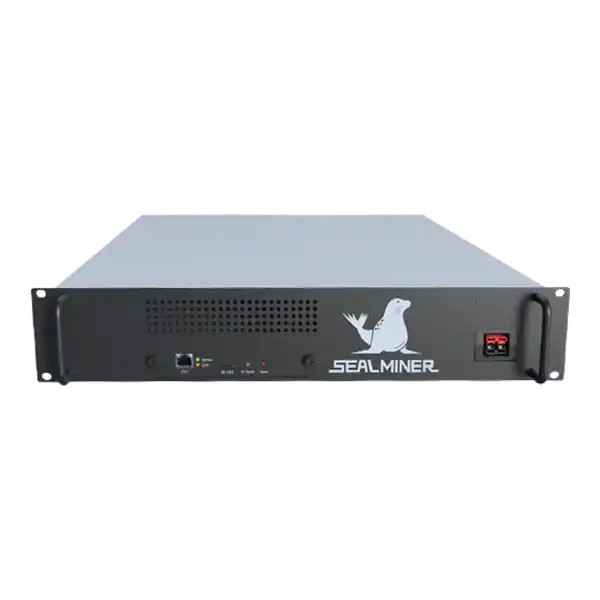

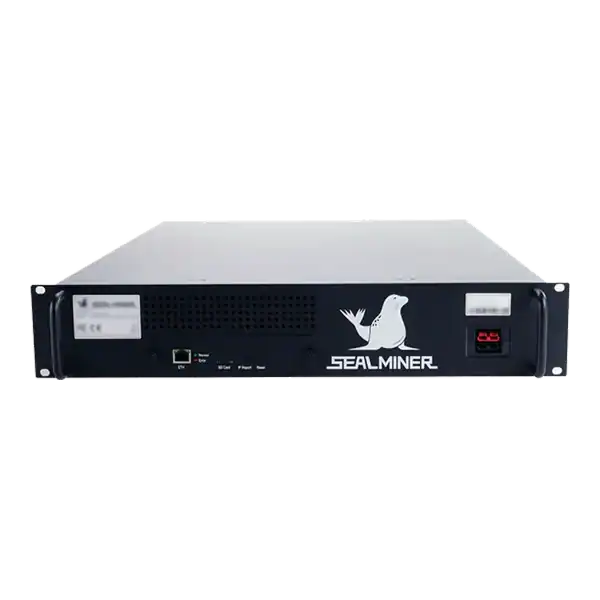

Build a five-year ASIC replacement calendar from efficiency gap, tariff, failure rate, parts, firmware, resale, network scenarios and capital gates.
Build ASIC profit forecast ranges using base, downside and severe cases for accepted hashrate, energy, uptime, difficulty, reward, fees, price and repairs.
Compare European ASIC mining energy costs using the correct tariff band, taxes, grid connection, curtailment, cooling, contracts and location risks.
Join the ASIC Mining Discussion
Members can read and join the discussion
Log in to read comments from other miners. Create a free account if you would like to ask a question or share your experience.
Membership helps us protect the discussion from spam and keep answers useful.