

Sealminer A4 Ultra Hydro
Bitcoin & Bitcoin Cash ASIC Miner
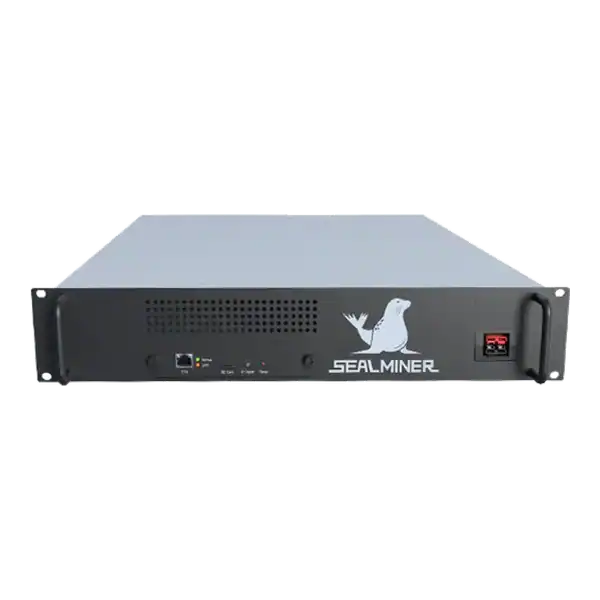

886TH
HASHRATE
9.45W/TH
EFFICIENCY
8373W
POWER
£903.43
EST. MONTHLY
NO PAYBACK
EST. ROI
ASIC hardware insurance UK: prepare ASIC hardware insurance evidence for UK-owned miners: asset schedule, valuation, site, electrical controls, custody.
ASIC hardware insurance UK buyers need is determined by asset ownership, location, use and policy wording, not by a generic statement that the site is insured. Equipment cover may address physical loss or damage. At the same time, transit, machinery breakdown, cyber, liability and business interruption require separate consideration.
Insurers and brokers need accurate serial, value, electrical, cooling, security and claims information. This article shows how to assemble the evidence pack, review custody and overseas hosting, and avoid assuming that mining revenue or market-value loss is covered.
ASIC hardware insurance UK: ASIC insurance begins with evidence. Identify the owner and serial, agree the value and territory, disclose continuous-load operation and document electrical, cooling, security, custody and transit controls.
A UK business owner is checking ASIC hardware insurance UK. A claim can be delayed if the insured record identifies a machine that no longer matches the asset at the site.
Record the legal owner of each miner and the entity seeking cover. If equipment is financed, leased, hosted for a customer or held by another group company, tell the broker and state every party with an interest. A policyholder cannot safely assume another entity’s property is included.
Maintain an asset schedule containing manufacturer, model, serial, control-board and power-supply details, cooling method, condition, purchase date, invoice value, current location and declared replacement basis. Link photographs and commissioning records to the serial.
Update the schedule after a whole-unit, control-board or hashboard replacement. A claim can be delayed if the insured record identifies a machine that no longer matches the asset at the site.

Business.gov.uk describes equipment insurance as protection against loss or damage to machinery, tools, stock and essential equipment. That broad category is a starting point. The actual policy defines which events, locations and values are insured.
Discuss fire, flood, storm, theft, malicious damage, accidental damage, electrical event, machinery breakdown, coolant leak and internal movement. Transit from supplier, between facilities and back for repair may require goods-in-transit or marine cargo cover.
Public liability, employers’ liability, cyber and business interruption address different exposures. Business interruption usually depends on an insured event and defined financial loss. Do not assume a physical-damage policy pays mining revenue, market movement or pool losses.
Provide the site’s electrical design basis, competent-person inspection, protective devices, load schedule, isolation, maintenance and thermal-inspection records. ASICs are continuous high loads. So an ordinary property questionnaire may not capture their operating profile.
For air cooling, document extraction, inlet limits, housekeeping and combustible-material controls. For hydro or immersion, document fluid specification, hoses or pipework, pumps, leak detection, containment, heat rejection, water treatment and emergency shutdown.
State fire detection, suppression, alarm monitoring, compartmentation, emergency plan and inspection intervals. Never describe a system as certified or compliant unless the relevant competent party and evidence support that wording.
| Evidence | Purpose | Review trigger |
|---|---|---|
| Asset schedule | Identity, ownership and value | Purchase, sale or component replacement |
| Site and power records | Continuous-load risk controls | Expansion or electrical change |
| Cooling records | Heat and leak controls | Cooling method or fluid change |
| Security records | Theft and access controls | Site or access-system change |
| Transit plan | Custody and insured route | Every material shipment |
| Incident file | Claim chronology and mitigation | Any loss or near miss |
Ask whether the host’s policy covers customer-owned property or only the host’s own assets and liability. Get evidence of cover. But read the relevant interest, limit, excess and exclusions. A certificate without the operative wording may not answer the claim question.
The hosting contract should allocate risk during inbound transport, storage, commissioning, operation, repair, relocation and outbound transport. Confirm who pays the excess and how a claim payment is passed to the owner.
For overseas hosting, confirm territorial scope, local insurer requirements, political or war exclusions, currency, loss-adjuster access and repatriation cost. A UK policy may not automatically follow equipment moved abroad.
Purchase price, book value, used-market value and new replacement cost can diverge sharply. Agree the policy basis and any maximum per item or location. An underinsurance or average clause can reduce recovery when the declared total is too low.
Keep invoices, payment evidence, import entries, freight and installation records. If the model is no longer available, document how an equivalent replacement would be selected. Avoid relying on a volatile online listing without evidence of condition, tax, delivery and availability.
Review values after major price movement, fleet expansion, relocation and component replacement. State whether taxes, freight, professional fees, debris removal or expediting costs are included or separate.
Common areas requiring explicit review include wear and tear, gradual deterioration, inherent defect, faulty workmanship, unexplained disappearance, unattended transit, pollution, cyber events, unapproved modification, operation outside specification and failure to maintain safeguards.
Firmware tuning, overclocking and non-standard cooling can affect the disclosed risk and manufacturer warranty. Tell the broker what is actually used. A claim is a poor time to discover that the operating profile differed from the proposal information.
Check notification deadlines, security warranties, inspection duties, material-change obligations and emergency mitigation. Record every representation supplied to the insurer and correct it when circumstances change.
Use a competent broker or adviser who understands high-value continuous-load equipment and the actual territories involved. Check the firm’s permissions and contact details through the FCA Financial Services Register where applicable. But remember that registration does not replace policy review.
ASIC hardware insurance UK: ASIC insurance begins with evidence. Identify the owner and serial, agree the value and territory, disclose continuous-load operation and document electrical, cooling, security, custody and transit controls.
Record the legal owner of each miner and the entity seeking cover.
Business.gov.uk describes equipment insurance as protection against loss or damage to machinery, tools, stock and essential equipment.
Provide the site's electrical design basis, competent-person inspection, protective devices, load schedule, isolation, maintenance and thermal-inspection records.
ASIC insurance begins with evidence. Identify the owner and serial, agree the value and territory, disclose continuous-load operation and document electrical, cooling, security, custody and transit controls. Then read the perils, exclusions, excess and claim conditions. Equipment cover is not a guarantee of mining revenue or market value, and a host’s certificate is not a substitute for confirming the customer’s insured interest.
Build the asset schedule and site evidence pack before requesting terms, then align the resulting cover with the hosting contract, transport plan and business risk register.
Build a current asset schedule with owner, model, serial, condition, location, replacement value and supporting invoices. Confirm the insured interest, territory, use, perils, exclusions, valuation, excess and transit or hosted-custody position in writing.
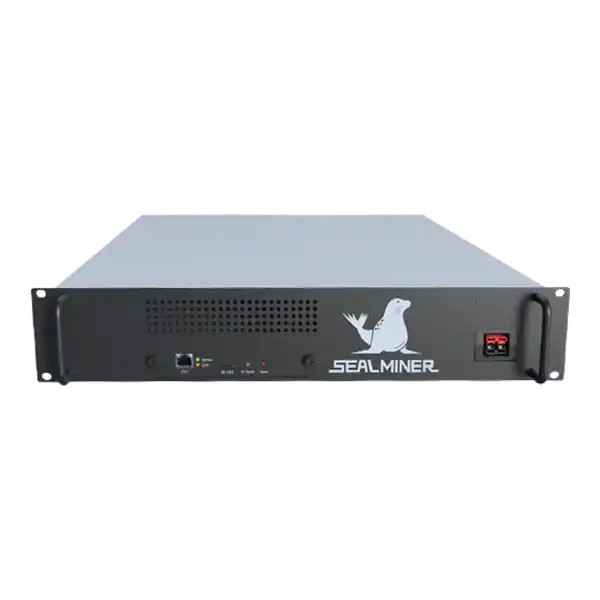

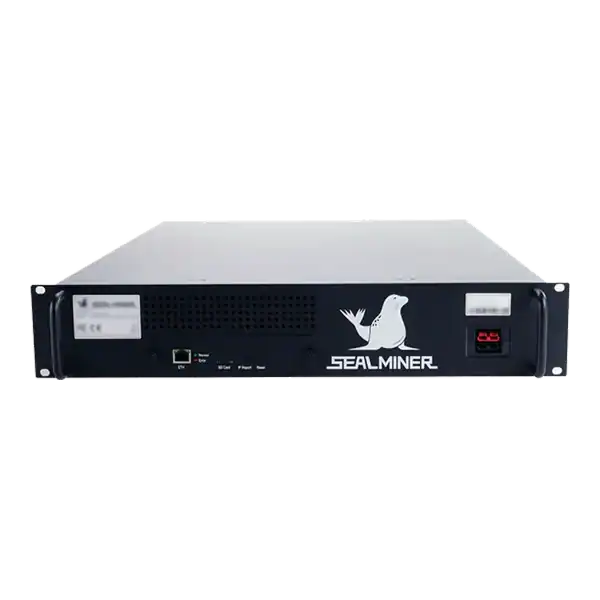
ASIC insurance coverage exclusions: review ASIC insurance exclusions for wear, electrical breakdown, overheating, corrosion, firmware, cyber events, unattended.
Claim VAT on ASIC Miners made simple. Check the UK rules, records, figures and evidence before filing a return or taking professional advice.
Bitcoin mining tax benefits UK business: UK guidance on tax treatment, records, valuations, costs and evidence to retain before filing or taking advice.
Join the ASIC Mining Discussion
Members can read and join the discussion
Log in to read comments from other miners. Create a free account if you would like to ask a question or share your experience.
Membership helps us protect the discussion from spam and keep answers useful.