

Antminer Z15 Pro
Zcash & Horizen ASIC Miner
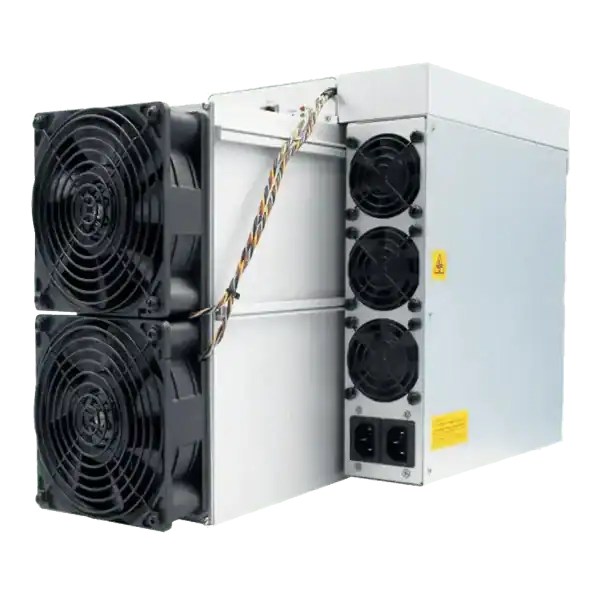

840KSOL
HASHRATE
3.3W/KSOL
EFFICIENCY
2772W
POWER
£1385.48
EST. MONTHLY
9
Months
EST. ROI
What is SHA-256 ASIC Boost? Learn how ASICBoost reduces repeated work and what ASIC owners should check across firmware, hardware and mining pools.
What is SHA-256 ASIC Boost? Learn how ASICBoost reduces repeated work and what ASIC owners should check across firmware, hardware and mining pools.
SHA-256 ASIC Boost: An ASIC normally tests vast numbers of block-header variations. Some parts of the SHA-256 calculation can be shared when a set of candidates has a suitable relationship.
A miner is checking SHA-256 ASIC Boost. Compare measured wall power and accepted hashrate before and after a change. Reuse reduces duplicated work within the chip and can improve efficiency when the full mining stack supports it.
Bitcoin mining applies SHA-256 twice to an 80 byte block header. ASICBoost is a family of methods for arranging candidate headers so that a miner can reuse an intermediate part of the calculation. Reuse reduces duplicated work within the chip and can improve efficiency when the full mining stack supports it.
The original paper answers the technical part of “Is SHA-256 ASIC?” by describing a speed-up for Bitcoin mining. The practical result is best understood as an implementation efficiency. It does not change Bitcoin’s proof-of-work rule and it does not make an invalid hash acceptable.

An ASIC normally tests vast numbers of block-header variations. Some parts of the SHA-256 calculation can be shared when a set of candidates has a suitable relationship. ASICBoost exploits that relationship so the chip performs less repeated work for the same search.
This is different from overclocking. Overclocking raises operating frequency and often power or voltage. ASICBoost changes how work is prepared and processed. A miner may support ASICBoost while running entirely at its manufacturer profile.
For a broader introduction to the algorithm, read SHA-256 mining and Bitcoin ASIC hardware. Current compatible machines can be browsed in the SHA-256 ASIC miner archive.
Overt ASICBoost uses block-version rolling. The miner varies bits that are available for general purpose use while generating extra header candidates. Pool and miner support can be negotiated through the mining protocol. Because the changed version field is visible, the method is described as overt.
Covert variants alter transaction ordering or other block-template details to create reusable work without exposing the same version-rolling pattern. The historic controversy around covert use concerned transparency, patents and interactions with proposed protocol changes. An ASIC buyer does not normally need to configure covert ASICBoost.
ASIC Boost is not enabled by changing one setting in isolation. Compatibility depends on the ASIC design, firmware and upstream mining service.
Do not assume a menu labelled “ASICBoost” creates a free efficiency gain beyond the manufacturer’s specification. Published hashrate and wall-power figures may already reflect the device’s normal operating method. Compare measured wall power and accepted hashrate before and after a change.
Some marketplaces distinguish an algorithm or connection as SHA256ASICBoost. That label describes a compatible work protocol, not a different physical hashing algorithm. The miner still performs SHA-256 proof of work. See NiceHash SHA-256 ASICBoost explained for marketplace-specific context.
Our ASIC custom firmware guide covers the wider security and warranty questions. If a miner fails after a firmware change, stop repeated flashing and use a controlled diagnostic process through ASIC miner repairs.
SHA-256 ASIC Boost: An ASIC normally tests vast numbers of block-header variations. Some parts of the SHA-256 calculation can be shared when a set of candidates has a suitable relationship.
Bitcoin mining applies SHA-256 twice to an 80 byte block header.
An ASIC normally tests vast numbers of block-header variations. Some parts of the SHA-256 calculation can be shared when a set of candidates has a suitable relationship.
Overt ASICBoost uses block-version rolling. The miner varies bits that are available for general purpose use while generating extra header candidates.
The short answer to “Is SHA-256 ASIC?” is that it reuses part of the SHA-256 computation across related block-header candidates. Overt ASICBoost changes permitted block-version bits and can be negotiated through mining protocols.
This article was fact checked on 14 August 2026. Firmware, pool support and warranty terms can change. So confirm the current documentation for the exact miner.
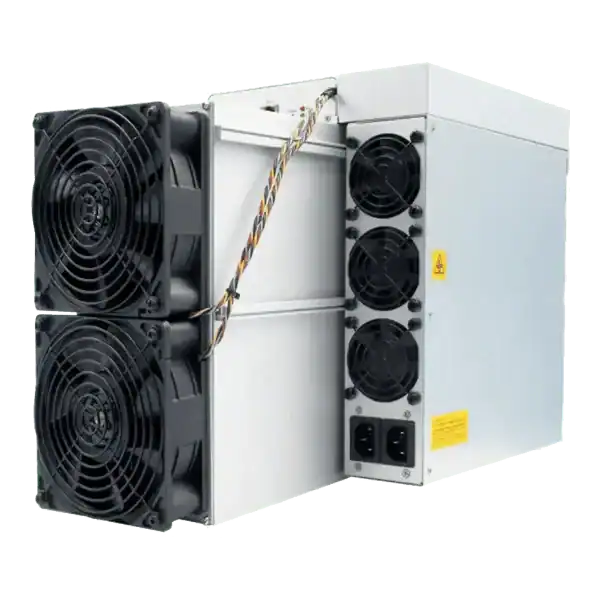
Understand why Bitcoin proof of work uses energy to create costly block proposals, easy verification, accumulated chain work and resistance to history changes.
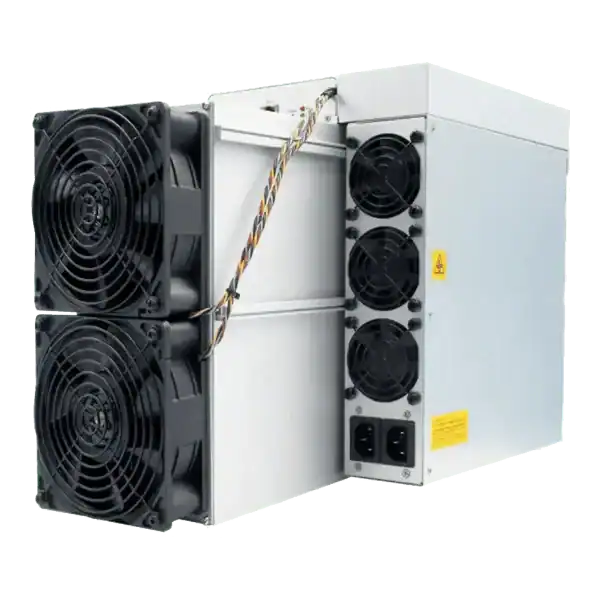
Bitcoin Target Arithmetic made simple. See the main facts, costs, risks and practical checks before you make a decision.
Mining expansion and Bitcoin difficulty: ASIC guidance on compatibility, measurement, fees, reliability, security and checks before routing hashrate.
Join the ASIC Mining Discussion
Members can read and join the discussion
Log in to read comments from other miners. Create a free account if you would like to ask a question or share your experience.
Membership helps us protect the discussion from spam and keep answers useful.