

Antminer Z15 Pro
Zcash & Horizen ASIC Miner
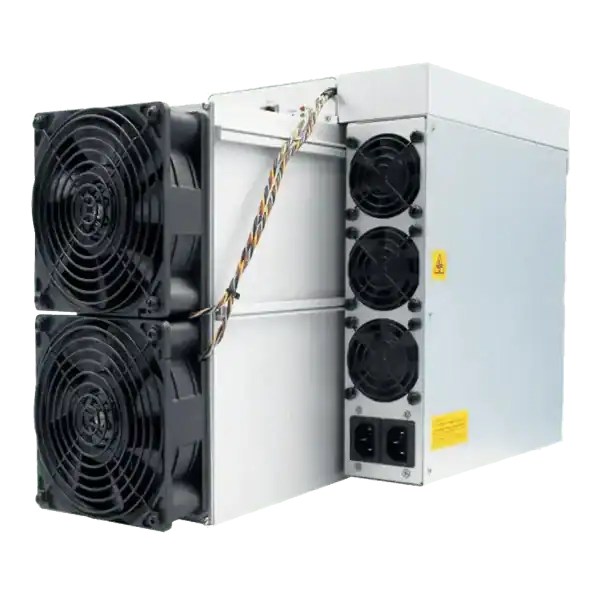

840KSOL
HASHRATE
3.3W/KSOL
EFFICIENCY
2772W
POWER
£1390.70
EST. MONTHLY
9
Months
EST. ROI
NiceHash SHA-256 ASICBoost: What Is NiceHash SHA-256 ASICBoost? explains what the network or algorithm means for an ASIC buyer.
NiceHash SHA-256 ASICBoost: What Is NiceHash SHA-256 ASICBoost? Explains what the network or algorithm means for an ASIC buyer.
What Is NiceHash SHA-256 ASICBoost? Explains what the network or algorithm means for an ASIC buyer. A miner is normally tied to one algorithm family. So compatibility must be confirmed before purchase.
NiceHash SHA-256 ASICBoost: Before diving into Nicehash-Sha-AsicBoost, it's crucial to grasp a few fundamental concepts: AsicBoost modifies the process of generating a merkle root in the block header.
A miner is checking NiceHash SHA-256 ASICBoost. This method reduces the number of potential computations, allowing miners to find valid blocks up to 20% faster.
In the dynamic world of cryptocurrency mining, efficiency and optimisation are paramount. As miners look for improved methods to gain an edge and increase profitability, several advancements have emerged. One such innovation that’s been buzzing within the community is “Nicehash-Sha-AsicBoost”. But what is Nicehash-Sha-AsicBoost exactly? In this article, we’ll demystify this term and explain its significance in the mining sector.
Before diving into Nicehash-Sha-AsicBoost, it’s crucial to grasp a few fundamental concepts:

SHA-256. This stands for Secure Hash Algorithm 256-bit, is the cryptographic function used by Bitcoin and several other cryptocurrencies. It converts transaction information into a fixed-length string of characters, ensuring security and immutability.
ASICs are specialised hardware designed for a specific task, in this case, cryptocurrency mining. Compared to general-purpose CPUs or GPUs, ASICs are known for their speed and efficiency in mining operations, especially for algorithms like SHA-256.
Nicehash-Sha-AsicBoost is an optimisation technique that boosts the efficiency of SHA-256 mining on ASIC hardware. Essentially, it’s a method that allows miners to find valid blocks faster, thus increasing their overall efficiency and profitability.
AsicBoost modifies the process of generating a merkle root in the block header. By altering certain parts of the block header, miners can try out more combinations in less time. This method reduces the number of potential computations, allowing miners to find valid blocks up to 20% faster.
NiceHash, a well-known mining marketplace, has incorporated support for AsicBoost. Miners using compatible hardware can use the Nicehash-Sha-AsicBoost optimisation to sell their hashing power or mine on the platform more efficiently.
The advent of AsicBoost, particularly its integration with platforms like NiceHash, signifies the continuous evolution in mining technology. Here are some key takeaways:
For those immersed in the world of cryptocurrency mining, staying updated with the latest advancements like Nicehash-Sha-AsicBoost is essential. As technology continues to evolve, the tools and techniques miners use will adapt, leading to a more streamlined and profitable mining landscape.
SEO optimised Tags: What is Nicehash-Sha-AsicBoost, SHA-256 Mining, ASIC Mining, NiceHash Optimisation, AsicBoost Technique, Cryptocurrency Mining Efficiency.
NiceHash SHA-256 ASICBoost is most useful when it leads to a documented decision rather than a headline comparison.
NiceHash SHA-256 ASICBoost: Before diving into Nicehash-Sha-AsicBoost, it's crucial to grasp a few fundamental concepts: AsicBoost modifies the process of generating a merkle root in the block header.
Before diving into Nicehash-Sha-AsicBoost, it's crucial to grasp a few fundamental concepts:.
This stands for Secure Hash Algorithm 256-bit, is the cryptographic function used by Bitcoin and several other cryptocurrencies.
ASICs are specialised hardware designed for a specific task, in this case, cryptocurrency mining.
Algorithm compatibility determines which ASIC families can participate on a network. A shared algorithm does not guarantee equal profitability, pool support, liquidity or long-term network demand.
Use these pages to move from research to a product or operating decision:
Use current official guidance alongside this article because network rules, tax guidance and safety duties can change.
Understand why Bitcoin proof of work uses energy to create costly block proposals, easy verification, accumulated chain work and resistance to history changes.
Bitcoin Target Arithmetic made simple. See the main facts, costs, risks and practical checks before you make a decision.
Mining expansion and Bitcoin difficulty: ASIC guidance on compatibility, measurement, fees, reliability, security and checks before routing hashrate.
Join the ASIC Mining Discussion
Members can read and join the discussion
Log in to read comments from other miners. Create a free account if you would like to ask a question or share your experience.
Membership helps us protect the discussion from spam and keep answers useful.