

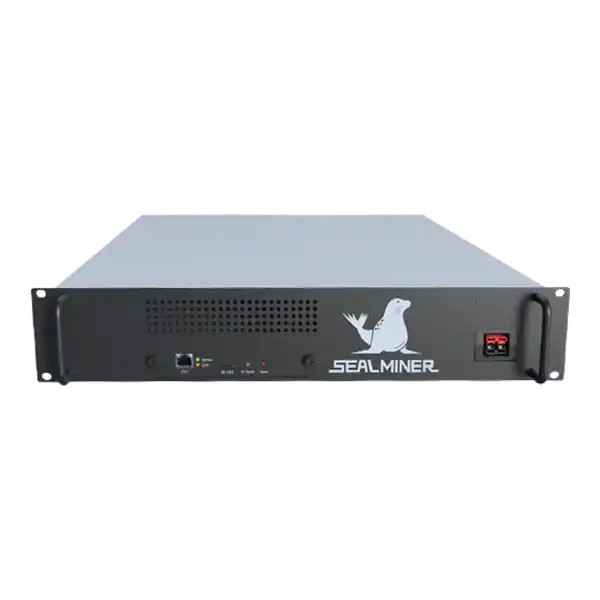
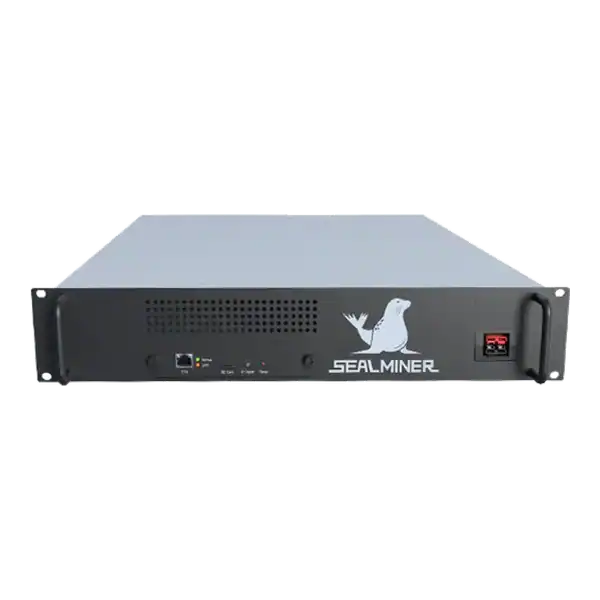
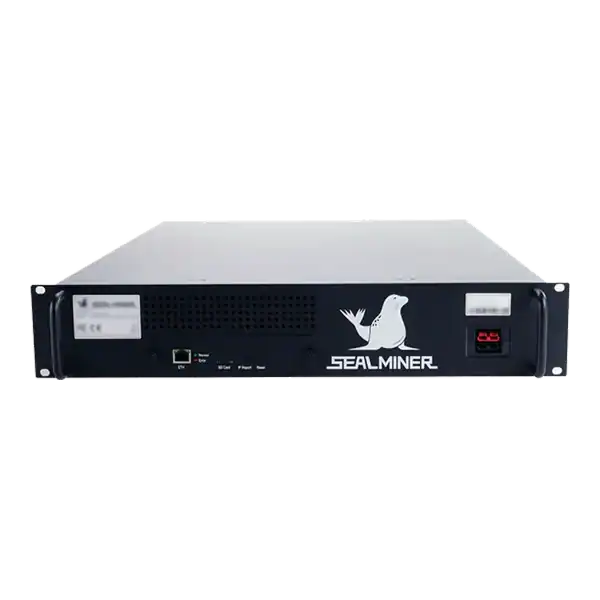
Sealminer DL1 Hydro
Litecoin & Dogecoin ASIC Miner

52.5GH
HASHRATE
149W/GH
EFFICIENCY
7823W
POWER
£774.73
EST. MONTHLY
NO PAYBACK
EST. ROI
Bitcoin Core 0.21 importdescriptors guide covering descriptor checksums, timestamps, ranges, active and internal flags, rescans, partial results and backups.

This guide explains Bitcoin Core importdescriptors RPC in plain English. It shows what the command does, what its result means and what it cannot prove.
Bitcoin Core importdescriptors RPC: Use this RPC only with a descriptor wallet selected explicitly through the wallet endpoint. Record the network, wallet name, database format and whether private keys are enabled.
A miner is checking Bitcoin Core importdescriptors RPC. Core scans from up to two hours before the earliest timestamp. An early value can take over an hour.
Use this RPC only with a descriptor wallet selected explicitly through the wallet endpoint. Record the network, wallet name, database format and whether private keys are enabled.
Each entry requires a descriptor and timestamp. Validate the descriptor and checksum with getdescriptorinfo, preserve key origins and never place private descriptors in shell history or general logs.
Timestamp zero scans the entire chain, while now skips historical scanning for scripts known never to have been used. Core scans from up to two hours before the earliest timestamp; an early value can take over an hour.

Ranged descriptors can specify an end or begin-and-end range. An active ranged descriptor may set next_index; active, range, internal and label values must reflect the intended receive or change policy.
Internal marks matching outputs as non-incoming, such as change. Labels are allowed only when internal is false. Incorrect classification can distort payment reporting even when scripts are technically valid.
The result array matches the request array and each entry has success plus optional warnings or error. Inspect every element and do not roll forward if only part of a coordinated policy imported.
Operators test the command on a non-production node first. They check a normal reply, an invalid request, a timeout and a restart. This shows what the response means and prevents one local result from being mistaken for a network-wide outcome.
Bitcoin Core importdescriptors RPC: Use this RPC only with a descriptor wallet selected explicitly through the wallet endpoint.
Use this RPC only with a descriptor wallet selected explicitly through the wallet endpoint.
Each entry requires a descriptor and timestamp. Validate the descriptor and checksum with getdescriptorinfo, preserve key origins and never place private descriptors in shell history or general logs.
Timestamp zero scans the entire chain, while now skips historical scanning for scripts known never to have been used.
importdescriptors makes descriptor-wallet recovery and watch-only provisioning precise, but timestamp, range and internal semantics determine what the wallet discovers and how it classifies outputs. Validate every request and back up the resulting wallet.
Check the current specification status and the documentation for the exact implementation you operate before moving production funds or changing a mining node.

Bitcoin Core 29 getdescriptoractivity guide covering block lists, descriptor ranges, mempool inclusion, receive and spend events, privacy and safe reconciliation.
Bitcoin Core 28 gethdkeys guide covering active filtering, xpubs, optional xprvs, descriptor mapping, RPC permissions, privacy and safe wallet audits.
Bitcoin Core 28 createwalletdescriptor guide covering address types, internal and external descriptors, HD-key selection, encryption, backups and verification.
Join the ASIC Mining Discussion
Members can read and join the discussion
Log in to read comments from other miners. Create a free account if you would like to ask a question or share your experience.
Membership helps us protect the discussion from spam and keep answers useful.