

Sealminer A4 Ultra Hydro
Bitcoin & Bitcoin Cash ASIC Miner
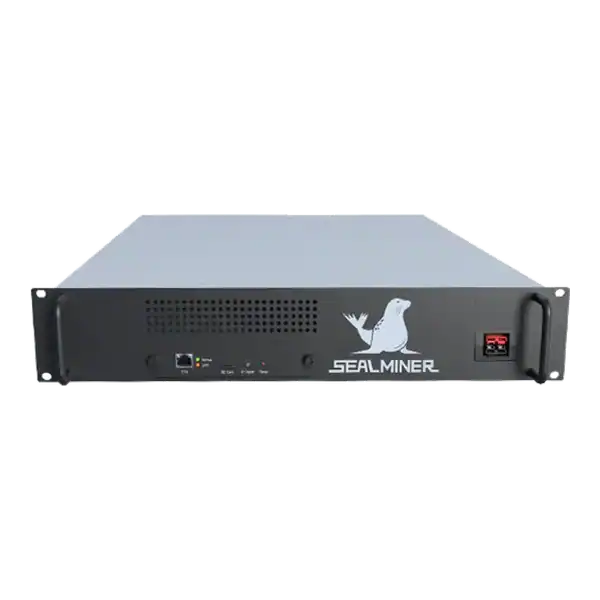

886TH
HASHRATE
9.45W/TH
EFFICIENCY
8373W
POWER
£903.43
EST. MONTHLY
NO PAYBACK
EST. ROI
ASIC miner heat reuse: Almost all electrical input eventually appears as heat. Use the UK guide before choosing equipment or changing an operating plan.
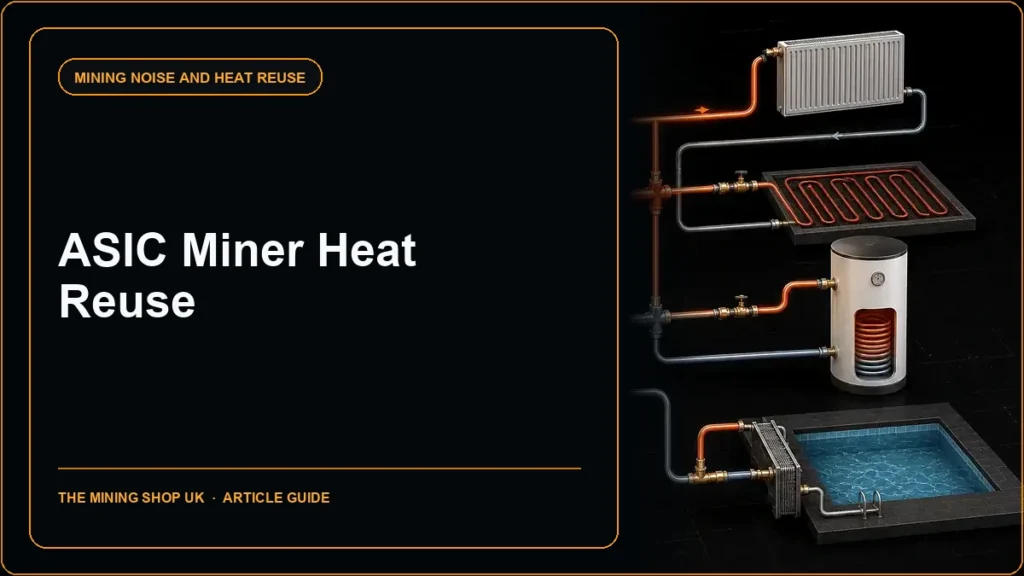
ASIC miner heat reuse: Almost all electrical input eventually appears as heat. Use the UK guide before choosing equipment or changing an operating plan.
ASIC miner heat reuse: Almost all electrical input eventually appears as heat. A miner drawing 3 kW can therefore provide about 3 kW of thermal output while operating.
A site operator is checking ASIC miner heat reuse. Run continuously, that is 72 kWh of heat per day before duct, exchanger and distribution losses.
Almost all electrical input eventually appears as heat. A miner drawing 3 kW can therefore provide about 3 kW of thermal output while operating. Run continuously, that is 72 kWh of heat per day before duct, exchanger and distribution losses. The useful amount depends on uptime, temperature, airflow and whether the building needs heat at the same time.
Heat reuse does not make the electricity free. It can offset part of a separate heating demand when the heat is delivered where and when it is useful.

The simplest application is to direct clean exhaust air into a space that needs heating. Use fire resistant ducting sized for the airflow, maintain the manufacturer’s inlet and outlet limits and provide a route to reject heat outdoors when the room reaches temperature. A thermostat can control dampers or safely stop mining. But must not trap heat around an energised machine.
Filter dusty intake air, prevent recirculation into the miner inlet and avoid directing a high velocity hot jet at desks. A competent designer should check ventilation and room temperatures.
Acoustic duct silencers, bends, lined plenums, anti vibration mounts and a separate plant room can reduce noise. Do not wrap the miner in flammable material or reduce airflow below specification. Measure the result at worker positions rather than trusting a phone application or an advertised fan figure.
HSE’s lower daily exposure action value is 80 dB(A), with 85 dB(A) triggering stronger controls and hearing protection zones. Engineering controls come before relying on hearing protection.
Hydro miners and immersion tanks can deliver heat to a liquid circuit, making controlled transfer easier. Use a correctly sized heat exchanger between the mining loop and the building loop. The design needs pumps, controls, expansion capacity, over temperature protection, leak detection, water treatment and a means of rejecting heat when the building demand is low.
Dielectric fluid must not enter a radiator, pool or potable water circuit. Hydro miner coolant also needs to remain within manufacturer water quality, pressure and temperature limits.
Low temperature emitters can be a good match for recovered miner heat. Underfloor heating and oversized radiators can deliver useful warmth at lower water temperatures than legacy radiators. A buffer tank can smooth changes in mining load and building demand. A heat pump or conventional boiler may still be required to lift temperature or provide backup.
Miner heat can preheat a cylinder through a dedicated coil or plate heat exchanger, reducing the work required from the primary heater. It should not be presented as the sole hygiene control.
HSE guidance says hot water should normally be stored at at least 60°C and distributed to reach 50°C within one minute at outlets, subject to scald controls. Many mining loops operate below those temperatures. So a secondary heater and competent water hygiene design are often necessary.
A pool heat exchanger can transfer energy into treated pool water while isolating the mining circuit. Size it for flow, chemistry and material compatibility. Hot tubs and spa pools have extra Legionella and water treatment risks because they store warm, aerated water. Use a competent pool and water hygiene specialist, maintain disinfection and never circulate pool water through mining equipment.
Phase change material, or PCM, is thermal storage rather than an energy source. It can absorb heat while changing phase and release it later, helping shift miner heat from times of low demand to times when a building needs it. The design still needs insulation, temperature matching, fire and material checks and a route for excess heat.
ASIC miner heat reuse: Almost all electrical input eventually appears as heat. A miner drawing 3 kW can therefore provide about 3 kW of thermal output while operating.
Almost all electrical input eventually appears as heat. A miner drawing 3 kW can therefore provide about 3 kW of thermal output while operating.
The simplest application is to direct clean exhaust air into a space that needs heating.
Acoustic duct silencers, bends, lined plenums, anti vibration mounts and a separate plant room can reduce noise.
A 3 kW miner produces roughly 3 kW of heat while running, before distribution losses. Air cooled miners can warm offices through designed ducting. At the same time, hydro and immersion systems can transfer heat through a separate heat exchanger.
For ASIC miner heat, check current official guidance and retain the evidence used for the decision. Rules and official guidance can change. Check the current source before making a decision.


Bathhouse says it began a pool-heating mining pilot in 2022. Its technical explanation describes immersion-cooled ASICs, a dielectric-fluid circuit and heat exchangers that transfer heat into pool plumbing. The comparison is with its previous electric resistance heaters.
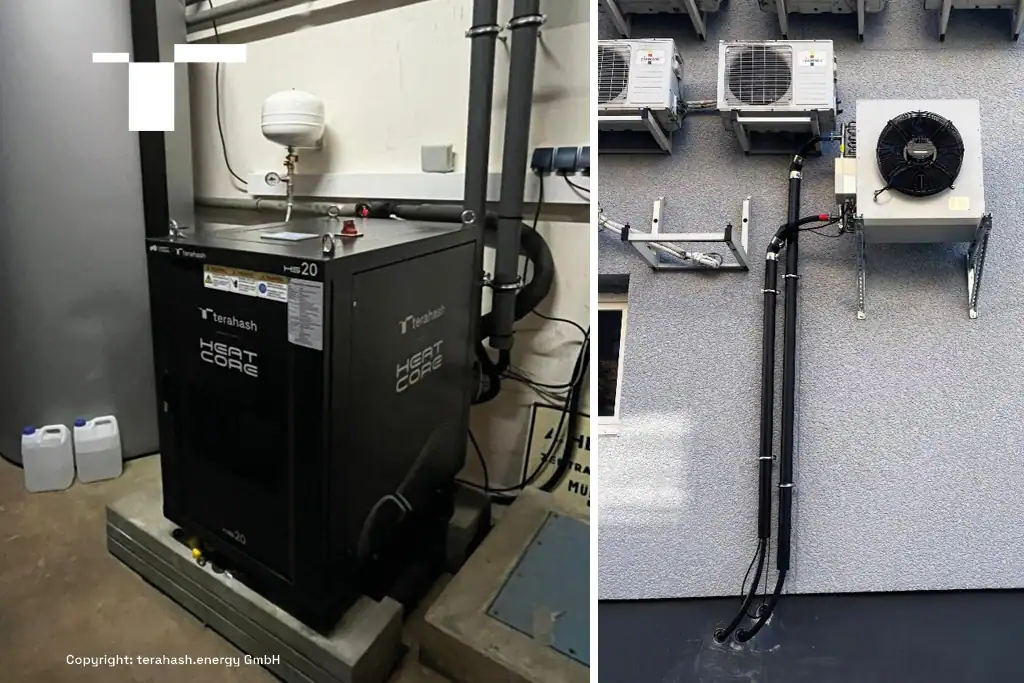
Terahash describes a commissioned system at Nebona’s spice factory: a Heatcore HS20 with two Whatsminer M63 units uses surplus rooftop solar power and supplies hot water to a buffer tank. The existing heating system remains available.

SunBit reports fitting a Bitcoin Boiler alongside the oil boiler in a 200 m² Kotka home. An outdoor unit rejects unwanted summer heat and allows additional use of solar surplus.
Join the ASIC Mining Discussion
Members can read and join the discussion
Log in to read comments from other miners. Create a free account if you would like to ask a question or share your experience.
Membership helps us protect the discussion from spam and keep answers useful.