

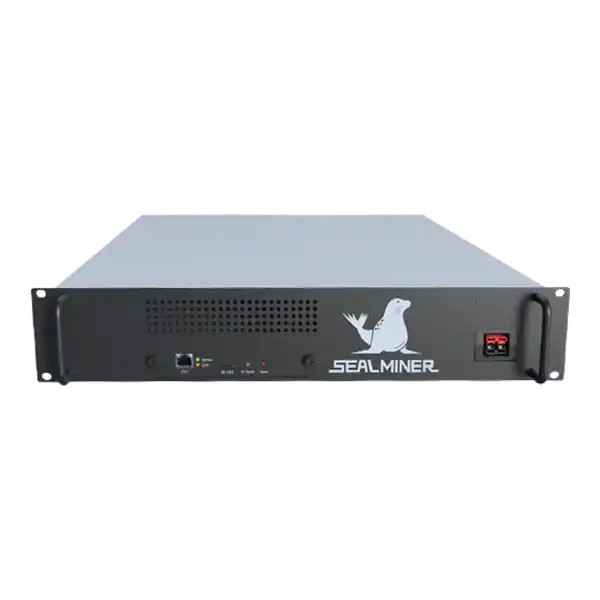
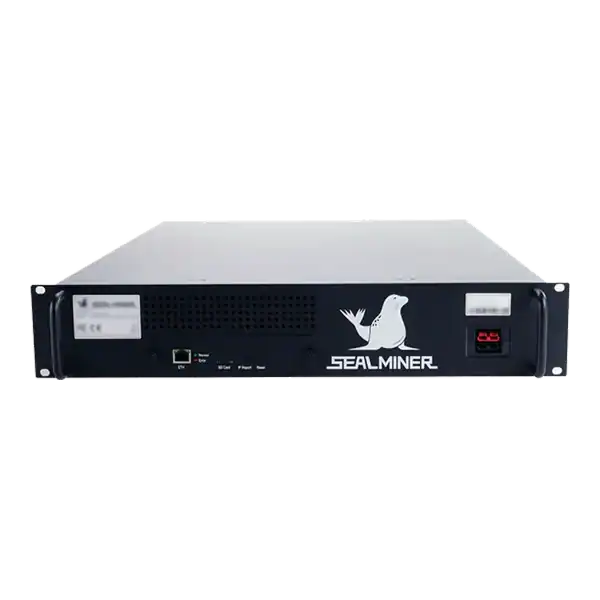
Sealminer A4 Ultra Hydro
Bitcoin & Bitcoin Cash ASIC Miner
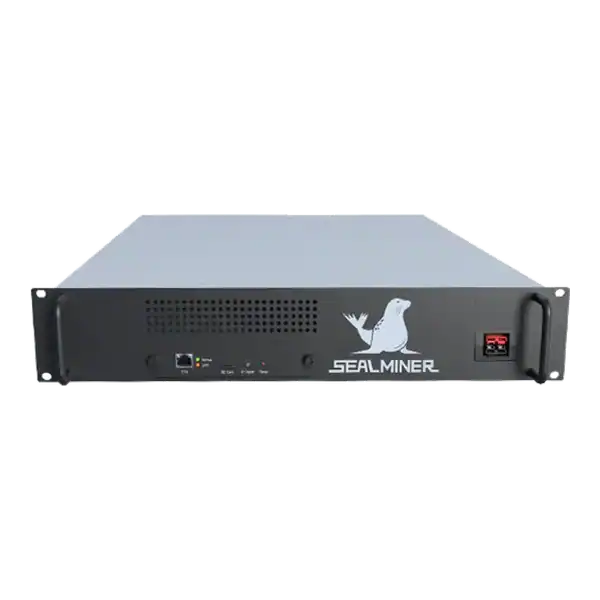

886TH
HASHRATE
9.45W/TH
EFFICIENCY
8373W
POWER
£898.19
EST. MONTHLY
NO PAYBACK
EST. ROI
Plan cooperative Bitcoin mining with clear ownership, costs, pool accounts, payout allocation, voting, maintenance, tax records and exit rights.
Cooperative Bitcoin mining lets several parties fund, own or operate hashrate together. But the technical ease of pointing workers at one pool does not create a fair business arrangement. The participants need written ownership, cost, control, payout, tax-record and exit rules before equipment is purchased. Otherwise a fan replacement, energy rise or wallet change can become a dispute that the pool dashboard cannot solve.
Cooperative Bitcoin mining succeeds when shared hardware is supported by clear ownership, evidence and governance. Define the asset, pool account, net-income formula, reserves, voting and exit before the first payment.
A miner wants to understand cooperative Bitcoin mining. If one member already owns the site, write the energy and hosting arrangement at arm's length. Record whether extra capital is mandatory, optional or dilutive.
Participants may jointly own specific ASICs, own shares in a company that owns a fleet, or contract separately for capacity operated by one member. These are not interchangeable. Get legal and tax advice on the intended structure.
Create an asset register with serial number, purchase evidence, ownership percentage, location, warranty, insurance and any security interest. State who owns shared distribution, cooling, racks and spares.
If one member already owns the site, write the energy and hosting arrangement at arm’s length. Do not leave power, labour and space as undefined favours that later become disputed contributions.
Record whether extra capital is mandatory, optional or dilutive. A failed PSU should not require an improvised ownership negotiation.

The agreement should identify who contracts with the pool, whose identity is verified. This reward method applies and who controls payout settings. The account holder may carry obligations that other members do not see.
Use unique workers mapped to the asset register. Avoid a single anonymous worker covering machines with different owners, uptime and costs.
Give members read-only access or regular signed exports where practical. Administrative access should be limited and logged. Multi-factor authentication and controlled recovery belong to the cooperative, not one person’s private phone without succession planning.
Approve primary and backup pools through the governance rule. A backup wallet from an old member is a preventable loss.
Start with pool receipts allocated to the relevant accepted work and period. Deduct pool and payout fees, energy, hosting, cooling, maintenance, insurance, tax provisions and agreed reserves before calling the balance distributable.
A simple ownership percentage may be fair where every unit has equal performance and cost. A mixed fleet may need allocation by accepted hashrate, metered energy, model or a defined contribution unit.
State how downtime, curtailment and repairs affect allocation. One owner’s failed miner should not automatically be subsidised by others unless the cooperative intentionally shares fleet risk.
| Stage | Evidence | Approval |
|---|---|---|
| Pool credit | Worker and payout export | Operator prepares |
| Energy | Site meter and tariff | Named reviewer checks |
| Other costs | Invoices and reserve policy | Governance threshold |
| Member allocation | Agreed formula | Statement issued |
| Distribution | Controlled wallet or bank record | Dual approval |
| Carry forward | Reserve and unpaid balance | Ledger reconciled |
List reserved decisions: new debt, hardware purchase or sale, firmware, overclocking, pool and wallet changes, site move, insurance claim, related-party contract and termination. Set voting thresholds and an emergency safety authority.
A site operator must be able to isolate unsafe equipment without waiting for a vote. The commercial consequence can be reviewed later. But electrical and fire controls take precedence.
Require disclosure where a member sells equipment, hosting, repair or energy to the cooperative. Get comparative evidence for material related-party spending.
Keep minutes and configuration records. Informal chat approval is hard to audit when staff change or an account is compromised.
The legal structure and facts affect who recognises mining receipts, claims expenses, owns capital equipment and accounts for VAT. Participants should get advice before assuming that each can claim a share of the same invoice.
Record dates, amounts, wallet addresses, transaction identifiers, exchange-rate source, invoices, ownership and distributions. Reconcile pool statements to wallets and bank or exchange records.
Do not mix personal and cooperative wallets. A transparent ledger does not replace proper custody or accounting, and publishing every wallet can create security and privacy risk.
Agree the year end, reporting frequency and responsibility for returns. Retain records under the longest applicable legal and contractual period advised for the structure.
Set a maintenance reserve based on fleet size, parts and likely downtime. Define who approves a repair, the quotation threshold and whether an uneconomic unit is sold or replaced.
Insurance should name the correct owner and location and cover the intended use. Record excess allocation and exclusions. Do not promise replacement value where the policy pays reasonable used value.
A cooperative needs competent site procedures for power, heat, noise and access. Members should not perform live work simply because they partly own the miner.
Use model-specific parts and verified firmware. A member who wants aggressive tuning should bear only the agreed risk, not impose it silently on shared assets.
Set a voluntary exit notice, valuation method, right of first offer, transfer restrictions and who pays removal or sale costs. A quoted online asking price is not necessarily realisable value.
Address non-payment of capital calls or energy contributions. Remedies can include suspension, dilution, forced sale or debt recovery. But should be drafted by an appropriate adviser.
Provide for death, incapacity, insolvency, sanctions risk and loss of account access. The cooperative should not depend on a private device or undocumented seed phrase.
A deadlock procedure can escalate from meeting to mediation, buyout or orderly sale. Keeping machines running indefinitely is not a substitute for a resolution mechanism.
Cooperative Bitcoin mining succeeds when shared hardware is supported by clear ownership, evidence and governance.
Participants may jointly own specific ASICs, own shares in a company that owns a fleet, or contract separately for capacity operated by one member.
The agreement should identify who contracts with the pool, whose identity is verified.
Start with pool receipts allocated to the relevant accepted work and period.
Cooperative Bitcoin mining succeeds when shared hardware is supported by clear ownership, evidence and governance. Define the asset, pool account, net-income formula, reserves, voting and exit before the first payment. Maintain controlled records and professional legal and tax advice so a technical collaboration does not become an unmanageable financial partnership.
Use The Mining Shop UK hosting, profitability and consultancy resources to build the technical schedule that supports the cooperative’s professional agreement.
Choose the legal and commercial structure before buying. Record who owns each ASIC and site asset, who contracts with the pool and who owes each cost. Allocate net receipts using defined evidence and matched periods. Separate pool credit, operating expenses, reserves and distributions.

Mining pool ownership due diligence: check mining pool ownership, legal entity, beneficial control, infrastructure, payout custody, related services, sanctions.
Plan a solo mining variance reserve around fixed costs, expected block intervals, uptime, liquidity, accounting and a documented stop or pool-switch rule.
Verify a mining pool Bitcoin chain policy made simple. See how the network works, which hardware matters and what to check before using electricity.
Join the ASIC Mining Discussion
Members can read and join the discussion
Log in to read comments from other miners. Create a free account if you would like to ask a question or share your experience.
Membership helps us protect the discussion from spam and keep answers useful.