
Solo Mining Calculator: Estimate Odds and Timeframes
Use a solo mining calculator correctly: enter productive hashrate, network conditions, uptime and time horizon, then read expected time and probability without.
Read article
Within Blog Posts & Articles
Use a solo mining calculator correctly: enter productive hashrate, network conditions, uptime and time horizon, then read expected time and probability without.
Plan a solo mining variance reserve around fixed costs, expected block intervals, uptime, liquidity, accounting and a documented stop or pool-switch rule.
Create a hybrid pool and solo mining policy with allocation limits, variance budget, accounting, failover, custody and review triggers for an ASIC fleet.

QRL mining explained for beginners. Learn how RandomX favours CPUs, how solo and pool mining differ, and why XMSS wallet use needs careful planning.
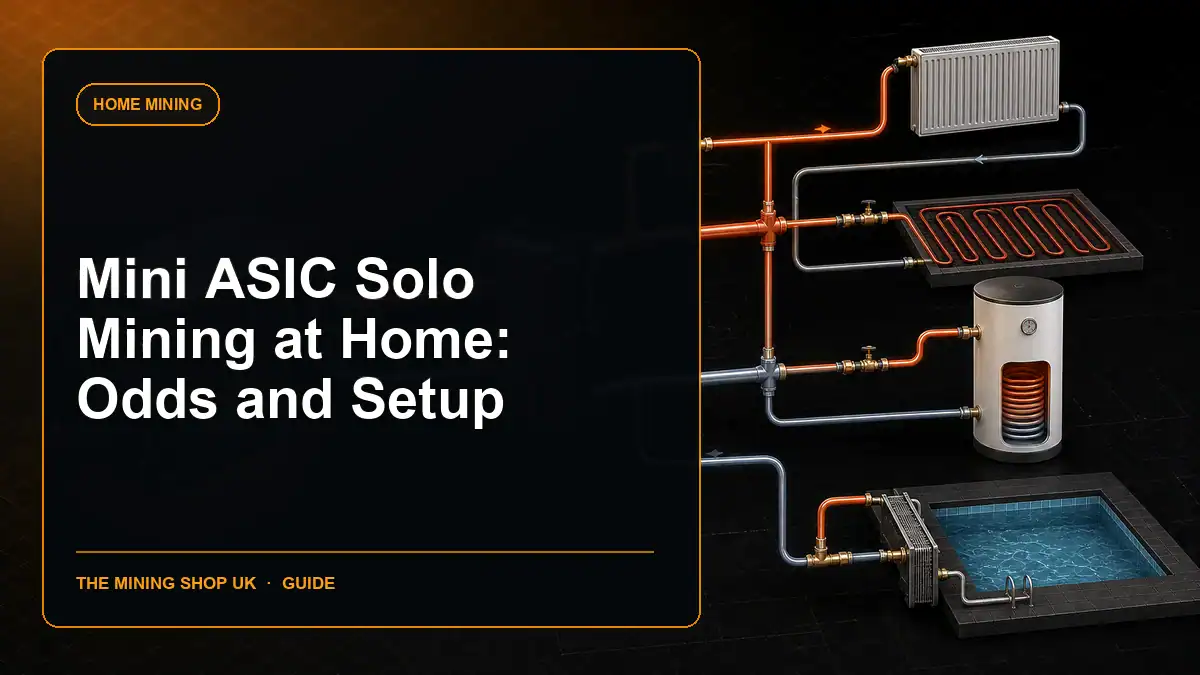
Understand mini ASIC solo mining at home through SHA 256 compatibility, block-finding probability, node and pool options, power, heat, noise and secure setup.
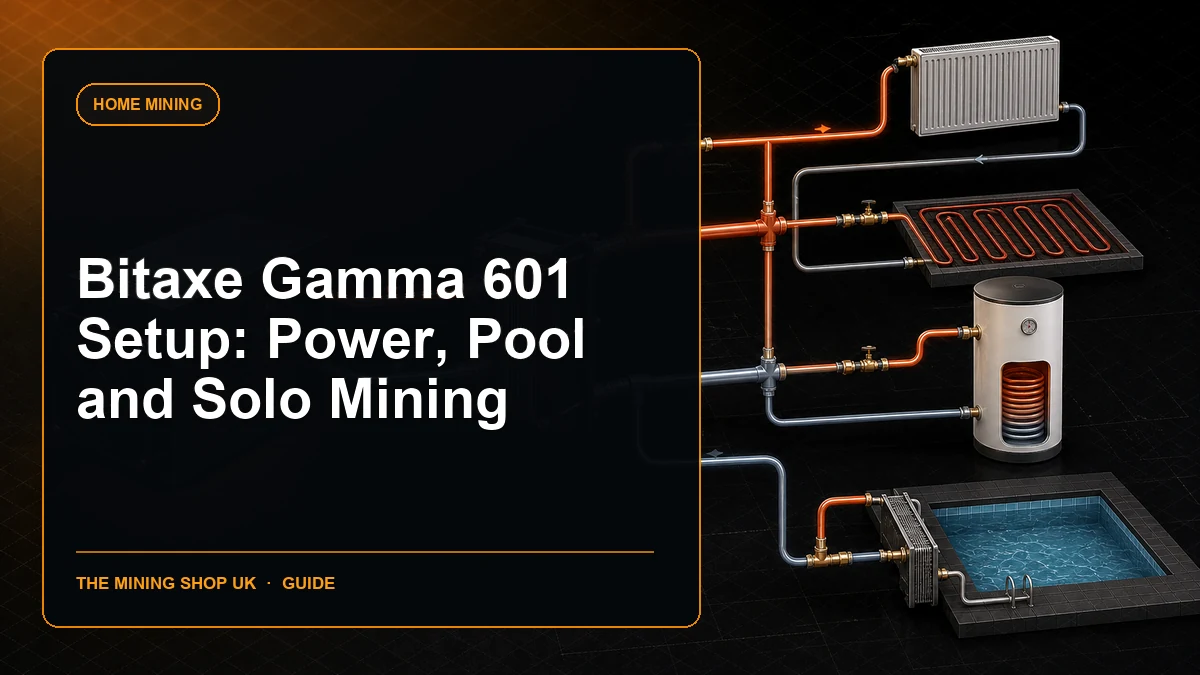
Complete a safe Bitaxe Gamma 601 setup with the correct 5 V supply, active cooling, Wi-Fi, AxeOS, pool details, first-share checks and recovery plan.

Learn how Kaspa solo mining node works, what it can earn, the costs and security checks, and how a Kaspa node can support KHeavyHash miners.

Run a home solo mining node latency test covering template freshness, local network delay, internet loss, node synchronisation, failover and recovery.

Trace a self-hosted solo mining template path from a validating Bitcoin node through work creation, ASIC submission, block validation and payout control.
Compare pool mining vs solo mining using payout variance, expected block time, fees, custody and infrastructure risk before configuring ASIC miners.

Learn how Ergo solo mining nodes works, what it can earn, the costs and security checks, and how a Ergo node can support Autolykos miners.

Learn how private CKPool solo mining works, what it changes for miners, the money and safety risks, and the checks to make before using it.