
Pre-order
Overall ranking

Equihash
·
ZEC
Overall rank#1of 100AvailableAll: #2 / 831
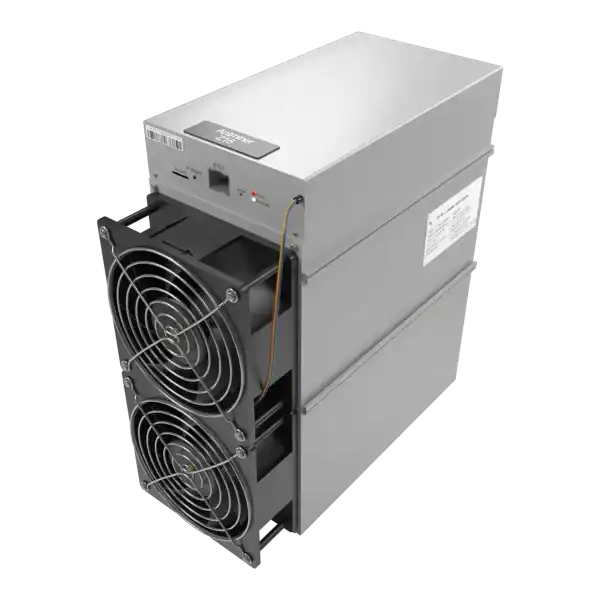

Pre-OrderFree Shipping
Hashrate
525KSOL
Efficiency
4.73W/KSOL
Power
2483W
Earns/kWh
41.7p
Learn how Kaspa solo mining node works, what it can earn, the costs and security checks, and how a Kaspa node can support KHeavyHash miners.
Learn how Kaspa solo mining node works, what it can earn, the costs and security checks, and how a Kaspa node can support KHeavyHash miners.
Kaspa solo mining node: Kaspa nodes maintain a blockDAG rather than choosing only one block at each height, so timely peer data matters to job construction.
A node operator wants to understand Kaspa solo mining node. Keep that boundary clear when estimating Kaspa solo mining node. This March 2022 placement reflects the early growth of community solo-mining and Stratum bridge tooling after Kaspa's fair launch.
A Kaspa solo node receives network data, checks it against the rules and gives connected mining software a trustworthy view of the chain. The miner performs the expensive KHeavyHash search. The node decides whether the resulting block and the transactions inside it are valid. Both parts matter, although each solves a different problem.
Keep that boundary clear when estimating Kaspa solo mining node. A fast miner attached to an unsynchronised or poorly connected node can work on an old tip, submit invalid data or miss a valid opportunity. A healthy node cannot make the hardware hash faster, but it can prevent avoidable waste and reduce dependence on another operator’s view of the network.
Kaspa nodes maintain a blockDAG rather than choosing only one block at each height, so timely peer data matters to job construction. This is one reason Kaspa solo mining node needs network-specific software and checks rather than a command copied from another coin.
Community Stratum bridges translate between mining hardware and the node; operators should treat the bridge as security-sensitive software, not a harmless cable. Confirm this behaviour against the current official release before using it in an earnings or security decision.
The possible income comes from valid block rewards, transaction fees or an explicitly documented network payment. It does not arise merely because a computer called a Kaspa node is switched on.
Reconcile actual blocks and wallet receipts instead of relying on headline estimates. Record the number of valid jobs, accepted shares or blocks, rejected work, fees and downtime. Convert the result to pounds only after separating coin quantity from market price. A rise in Kaspa price can hide a weak operating result, while a fall can make a sound technical setup look worse than it is.
The strongest advantage is checking blocks and transactions locally. The operator can verify the chain tip, software version and network rules instead of accepting everything from a remote service. Operational visibility improves as well. Local logs make it easier to see whether rejected work came from the miner, the bridge, the pool-facing service or the Kaspa network.
Redundancy can be valuable during maintenance or failure. A tested second node, peer route or pool endpoint can keep the operation useful during maintenance. Failover only helps when payout details, chain selection and software versions are checked in advance. Blindly adding endpoints can send work or rewards to the wrong place.
Price the node computer, disks, memory, bandwidth, backup power, monitoring and staff time. Add the time spent applying Kaspa updates and checking KHeavyHash mining compatibility. If the node also carries wallet or payout duties, include secure backups and recovery tests. Electricity for the node may be small beside a mining fleet, but repeated outages or an exposed wallet can cost far more.
Judge the outcome against a simple control case. For direct income, subtract every operating cost and allow for reward variance. For indirect value, estimate the pool fee avoided, stale work prevented or outage time reduced. Do not count the same saving twice. If the benefit cannot be measured over a trial period, call it a security or independence choice rather than profit.

For Kaspa solo mining node, install the current official Kaspa software from a verified release. Synchronise fully before allowing production miners to depend on it. Bind management and wallet interfaces to trusted addresses, use authentication where the software provides it and keep mining traffic separate from public administration. Never expose seed words, private keys or unrestricted RPC access to the internet.
Move only a small amount of hashrate during the first test. Confirm the expected KHeavyHash job format, payout address and network identifier. Watch accepted work and node height for several days, then test a controlled restart and failover. Expand only after the records match what the wallet and the network show.
Many failed deployments begin with the belief that any online Kaspa node is ready for mining. Check sync status, peers, clock, free disk space and the exact release. Another mistake is placing the wallet, node and every miner under one administrator account. Separate privileges so one compromised worker cannot control payouts or rewrite node settings.
Rebuild commands from the current official guide instead of pasting an old example. Algorithms, ports, reward rules and pool protocols change. Keep a dated configuration record and a rollback copy, but never store secrets in screenshots or support tickets. After an upgrade, compare block height, accepted work and wallet receipts before declaring success.
This March 2022 placement reflects the early growth of community solo-mining and Stratum bridge tooling after Kaspa’s fair launch.
That history explains the publication placement, but it is not a promise that the original economics still apply. Judge Kaspa solo mining node using the current Kaspa release and reward rules. Historical mining hardware, difficulty and pool availability can differ sharply from today’s position.
Kaspa solo mining node: Kaspa nodes maintain a blockDAG rather than choosing only one block at each height, so timely peer data matters to job construction.
A Kaspa solo node receives network data, checks it against the rules and gives connected mining software a trustworthy view of the chain.
Kaspa nodes maintain a blockDAG rather than choosing only one block at each height, so timely peer data matters to job construction.
The possible income comes from valid block rewards, transaction fees or an explicitly documented network payment.
Kaspa solo mining node can be useful when the operator values independent validation, reliable jobs and clear evidence. It is not a shortcut to free income. Start small, measure the result and keep the Kaspa node, wallet and KHeavyHash miners securely separated.
The historical publication point for this guide is 12 March 2022. This March 2022 placement reflects the early growth of community solo-mining and Stratum bridge tooling after Kaspa’s fair launch. This historical position should not suggest that today’s rewards or software match the original period.
Network rules, node software and mining economics do not stand still. Confirm the latest official documentation before committing equipment, electricity or funds.
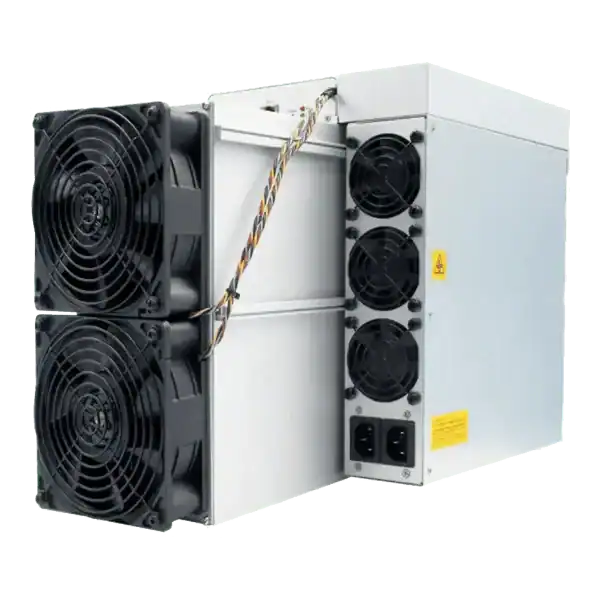
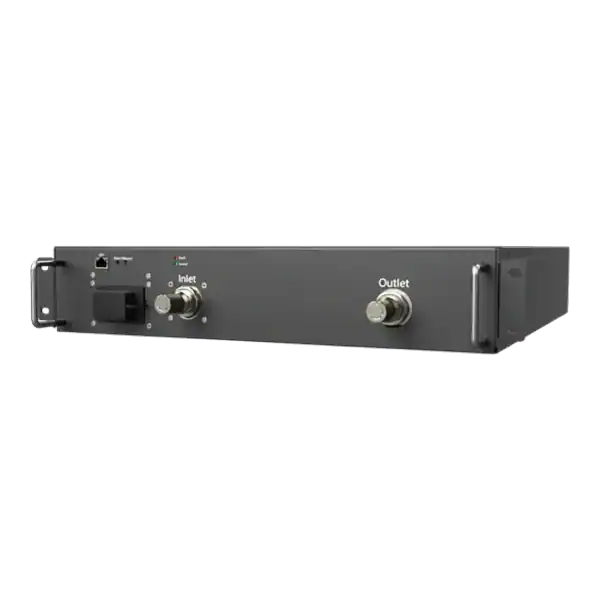
Kaspa Crescendo mining made simple. Compare performance, power, cooling, noise and practical risks before choosing or operating mining hardware.
Understand Quai Network mining, KawPoW blocks, SHA-256 and Scrypt workshares, pool checks and operating risks for UK miners.
Aleo Mining made simple. See how the network works, which hardware matters and what to check before using electricity.

Join the ASIC Mining Discussion
Members can read and join the discussion
Log in to read comments from other miners. Create a free account if you would like to ask a question or share your experience.
Membership helps us protect the discussion from spam and keep answers useful.