
Pre-order
Overall ranking

Equihash
·
ZEC
Overall rank#1of 100AvailableAll: #2 / 831
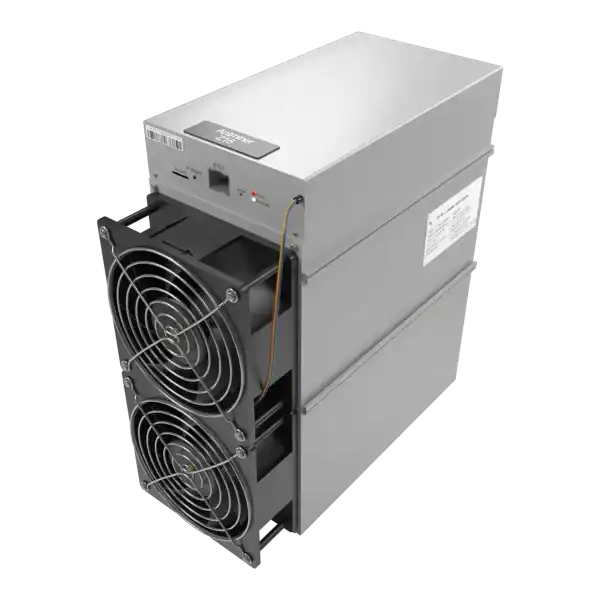

Pre-OrderFree Shipping
Hashrate
525KSOL
Efficiency
4.73W/KSOL
Power
2483W
Earns/kWh
42.0p
Compare pool mining vs solo mining using payout variance, expected block time, fees, custody and infrastructure risk before configuring ASIC miners.
Pool mining vs solo mining is mainly a choice about payout variance, operational responsibility and counterparty exposure. Pooling does not make an ASIC find more valid Bitcoin blocks. It shares many miners'. Outcomes under a reward method. Solo mining preserves the full reward when the operator finds a block.
But a small hashrate can wait far longer than its statistical expectation and may never find one during the hardware's useful life.
Pool mining vs solo mining: An ASIC repeatedly hashes candidate block headers. Its physical probability of finding a valid network block depends on its share of total network hashrate, not whether a pool or solo label is selected.
A miner wants to understand pool mining vs solo mining. In solo mining, the operator constructs or receives work from its own mining stack and receives the block subsidy and transaction fees if it finds and successfully broadcasts a valid block.
An ASIC repeatedly hashes candidate block headers. Its physical probability of finding a valid network block depends on its share of total network hashrate, not whether a pool or solo label is selected. The difference is how work is coordinated and how rewards are distributed.
In solo mining, the operator constructs or receives work from its own mining stack and receives the block subsidy and transaction fees if it finds and successfully broadcasts a valid block. Most attempts produce no payment. Bitcoin’s developer guide describes this as large payments with high variance and long intervals.
In pooled mining, the device submits easier proofs called shares. The pool uses shares to estimate contributed work and pays under its stated method. Pooling produces smaller, more regular credits but introduces fees, rules, account security and counterparty risk.

A useful approximation is expected block interval equals network hashrate divided by the operator’s hashrate, multiplied by the average interval between Bitcoin blocks. Use consistent units. If the operator has one millionth of network hashrate, the statistical expectation is about one million block intervals.
Expectation is not a deadline. Block discovery is random. At one expected interval, the probability of finding at least one block is about 63.2 per cent under a simple Poisson model, leaving about a 36.8 per cent chance of none. Even after two expected intervals, the probability of no block is about 13.5 per cent.
| Elapsed time | Approximate chance of at least one block | Approximate chance of no block |
|---|---|---|
| Half the expected interval | 39.3% | 60.7% |
| One expected interval | 63.2% | 36.8% |
| Two expected intervals | 86.5% | 13.5% |
| Three expected intervals | 95.0% | 5.0% |
Pay per share methods credit valid shares using a formula. So the pool absorbs more block luck risk and prices that risk through fees and terms. Full pay per share commonly includes an estimate of transaction fee revenue. Precise definitions differ. So read the current specification.
Pay per last N shares and related methods allocate rewards when the pool finds a block, using a window of recent work. The miner remains exposed to pool luck and the timing of joining or leaving. Score based methods weight shares by rules intended to deter pool hopping.
Compare effective fee after firmware incentives, payout fees and transaction fee treatment. A low headline fee can be less valuable if the method excludes fees, uses a poor exchange basis or imposes an impractical threshold.
A pool supplies mining jobs, share accounting, dashboards and payout processing. The operator still needs failover endpoints, accurate worker names and independent monitoring. Pool downtime, rejected shares, account compromise or a changed payout address can interrupt income.
Solo mining requires a maintained Bitcoin node, current chain, secure network, block template and submission path, compatible mining software and monitoring. A device pointed at an arbitrary local address is not a complete solo system. Poor propagation can waste a rare valid block.
Pool balances are normally claims under the pool’s terms until withdrawn. Reduce unnecessary exposure with verified payout settings and appropriate thresholds. Solo mining avoids that balance risk but concentrates the complete outcome in rare block events.
Record accepted hashrate, rejects, stale shares, outages, reward method, credited Bitcoin, fees and payout delay over representative periods. Local hashrate is not revenue if shares are rejected or sent to the wrong account.
Test primary and failover endpoints deliberately. A failover may use another pool with a different account or reward method. Automatic switching can leave small balances below thresholds at several providers. So document where every worker points.
Do not rank pools by a short lucky period. Compare actual credits after fees against the method’s expected basis. At the same time, allowing for the variance retained by that method.
Solo mining may suit education, sovereignty, transaction selection or an operator willing to accept lottery like cash flow. It does not suit a business that needs predictable monthly revenue unless its hashrate is large enough and cash reserves can tolerate the variance.
Estimate the probability of no block over the planned hardware life, not just the average interval. Include electricity, cooling, node operation and the possibility that network hashrate rises. A positive expected value does not pay monthly bills when realised revenue remains zero.
Some operators allocate a small experimental share to solo mining while keeping the main fleet pooled. Treat that allocation as a separate high variance budget and confirm the infrastructure first.
Pooling generally fits operators who value regular credits, simpler setup and measurable worker performance. It is particularly practical when a single machine’s expected solo interval is much longer than the financial planning horizon.
Choose only after comparing reward method, effective fees, security, jurisdiction, payout route and support.
Solo mining can fit an operator who understands the probability, runs the necessary infrastructure and can fund all costs without a block. Non-financial goals such as learning and transaction selection may also matter.
A recent solo block found by another small miner does not change your own forward probability.
Write down the objective before choosing. Predictable operating income, minimum custody, transaction selection and education can point to different answers.
Pool mining vs solo mining: An ASIC repeatedly hashes candidate block headers. Its physical probability of finding a valid network block depends on its share of total network hashrate, not whether a pool or solo label is selected.
An ASIC repeatedly hashes candidate block headers. Its physical probability of finding a valid network block depends on its share of total network hashrate, not whether a pool or solo label is selected.
A useful approximation is expected block interval equals network hashrate divided by the operator's hashrate, multiplied by the average interval between Bitcoin blocks.
Pay per share methods credit valid shares using a formula. So the pool absorbs more block luck risk and prices that risk through fees and terms.
Pool mining vs solo mining is not a choice between ordinary and enhanced hashrate. It is a choice about how rare block outcomes, infrastructure and counterparty risk are carried. Most small and medium ASIC operators use pools for steadier credits. Solo mining remains valid for operators who can run the complete stack and accept a substantial probability of no block over their planning period.
Compare Bitcoin ASIC hashrate, efficiency and current earnings on The Mining Shop UK, then model the solo probability and verify the chosen pool’s reward specification before configuring workers.
Pool mining converts highly irregular block outcomes into smaller, more frequent credits, less pool fees and subject to the chosen reward method. Solo mining avoids pool reward accounting but requires a correctly operated node and mining stack and carries extreme payout variance at small hashrate.
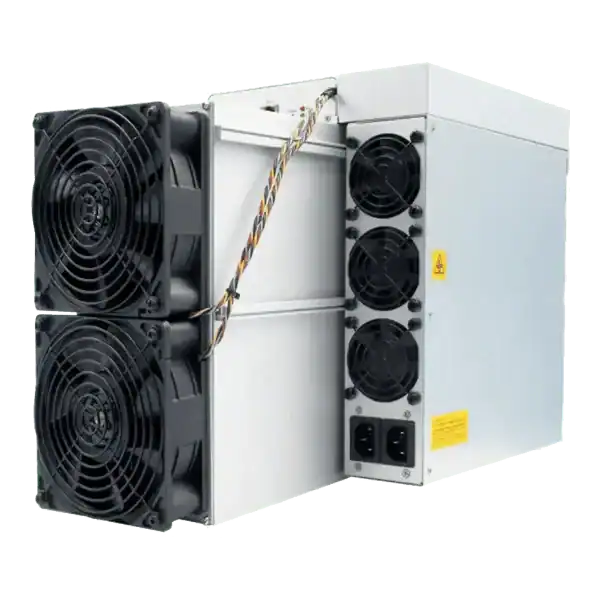
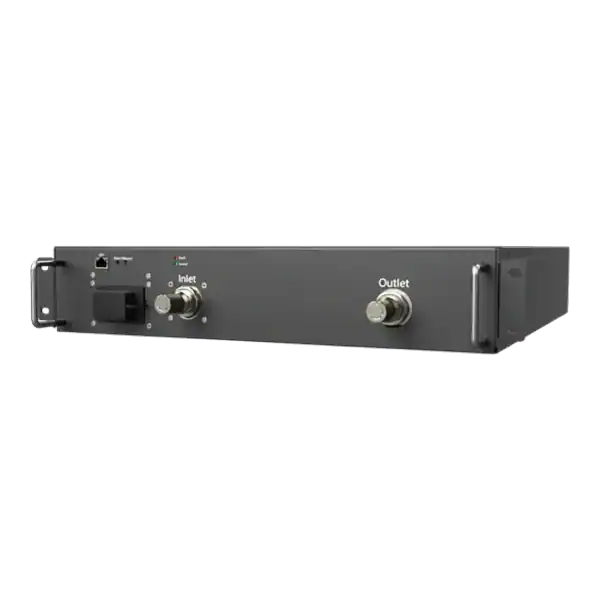
Run a mini miner pool failover test covering verified endpoints, worker identity, payout destination, timeout, accepted shares, recovery and residual balances.
Compare Bitcoin mining pool payouts by reward method, fees, transaction-fee treatment and variance to understand what your hashrate may retain.
Audit Scrypt auxiliary reward accounting for merged-mined coins, pool allocation, donation or conversion rules, fees, minimums and final payout evidence.

Join the ASIC Mining Discussion
Members can read and join the discussion
Log in to read comments from other miners. Create a free account if you would like to ask a question or share your experience.
Membership helps us protect the discussion from spam and keep answers useful.