

Sealminer A4 Ultra Hydro
Bitcoin & Bitcoin Cash ASIC Miner
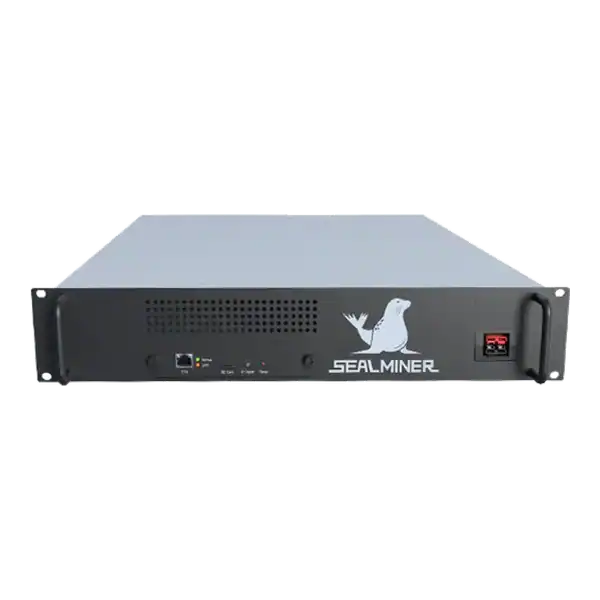

886TH
HASHRATE
9.45W/TH
EFFICIENCY
8373W
POWER
£846.49
EST. MONTHLY
NO PAYBACK
EST. ROI
Follow a starting ASIC mining runbook for circuit approval, ventilation, network isolation, pool setup, stock testing and first-week acceptance.
Starting ASIC mining safely is a commissioning task after the machine has been selected. Before first power, a competent person must confirm the circuit, protection and connectors. At the same time, the operator confirms heat rejection, noise control, network isolation, pool and payout details.
The first week should preserve a stock baseline for accepted hashrate, wall energy, temperatures, rejects and restarts before any tuning is considered.
Starting ASIC mining is complete only when the site, network, pool and commercial records agree. Commission one exact configuration at stock settings, measure accepted work and energy over a representative week and retain the evidence.
A miner wants to understand starting ASIC mining. Review that record after any material site, pool, firmware or electrical change. Tuning and fleet expansion belong after that baseline, never before competent electrical and cooling approval.
Record model, serial, hashrate variant, cooling type, PSU, voltage range, rated power, firmware and intended pool. Photograph nameplates and connectors before installation.
Use the manufacturer manual for operating limits and preserve the seller’s ordered configuration. A family name is insufficient where hydro, immersion, air-cooled or different hashrate versions exist.
Create a worker naming rule that maps pool records to the physical asset without exposing unnecessary personal data. Keep payout destinations in a controlled register separate from ordinary technician notes.
Define who may power the unit, change firmware, alter pools and approve a fault response. First deployment is a poor time to discover that several people hold unknown administrator passwords.

ASICs are high continuous loads. A competent electrician should assess circuit capacity, supply voltage, cable, connector, protective device, earthing, isolation and installation conditions under current UK requirements.
Do not use a domestic adaptor, extension reel or improvised connector because its printed current appears close to the miner rating. Continuous duty, temperature, contact condition and other circuit loads matter.
Measure installed wall power with suitable equipment after commissioning. But never expose live parts to get a reading. Record protective-device operation as a fault, not an inconvenience to bypass.
Keep combustible material clear, maintain safe access and provide the site’s emergency isolation and fire procedure. The appropriate fire assessment depends on the premises and equipment.
Nearly all electrical input becomes heat. A 3.5kW air-cooled miner therefore places roughly a 3.5kW heat load into the space before ventilation fans and other equipment. The room needs a route for cool intake and hot exhaust without recirculation.
Do not rely on an open window without measuring inlet temperature under the expected season and load. Ducting adds resistance and may reduce airflow. Use suitable sizes, smooth routes and manufacturer-compatible fan behaviour.
Measure sound at occupied and boundary positions. High-frequency fan noise can be intrusive and workplace exposure may require formal assessment. Enclosures must not compromise cooling or fire safety.
For liquid-cooled models, confirm flow, pressure, fluid quality, leak containment, heat exchanger, pump redundancy and safe shutdown.
Connect through wired Ethernet to a managed or trusted segment. Do not expose the miner’s web interface directly to the public internet. Use a controlled VPN or management platform with strong authentication for remote access.
Change default credentials, inventory the assigned address and restrict who can reach the administration interface. Keep the controller clock, DNS and gateway correct because failures can resemble pool faults.
Review firmware source and version. But do not update simply because a newer file exists. Verify exact hardware compatibility, release notes, recovery method and warranty before change.
Monitor outbound destinations where practical. Unexpected pools, developer-fee routes or cloud services deserve investigation before the machine is trusted.
| Field | Evidence | Acceptance |
|---|---|---|
| Endpoint | Pool official setup page | Correct algorithm and region |
| Worker | Asset naming register | Unique and visible |
| Password field | Pool-required value | Not reused account password |
| Payout | Controlled wallet record | Independently verified |
| Backup | Separate approved route | Failover tested |
| Security | Account controls | MFA and recovery stored |
Enter the exact current pool endpoint and worker format. A miner showing local hashrate is not commissioned until the intended pool records accepted shares for the intended account.
Configure backups deliberately. Old copied wallet or worker details can redirect work silently during a primary outage.
After seven representative days, calculate accepted efficiency from measured watts divided by pool accepted work. Compare against the agreed range and account for known curtailment or maintenance.
Investigate persistent gaps between local and accepted hashrate, unstable temperatures, board errors, damaged connectors or unexplained restarts. Report seller or warranty faults through the required process promptly.
Update the profitability model with measured values. A machine can pass its technical test and still fail the site’s economics. Both decisions should be recorded separately.
Approve normal service only when safety, accepted output, energy, cooling, noise, network and account controls meet the written criteria.
Starting ASIC mining is complete only when the site, network, pool and commercial records agree.
Record model, serial, hashrate variant, cooling type, PSU, voltage range, rated power, firmware and intended pool.
ASICs are high continuous loads. A competent electrician should assess circuit capacity, supply voltage, cable, connector, protective device, earthing, isolation and installation conditions under current UK requirements.
Nearly all electrical input becomes heat. A 3.5kW air-cooled miner therefore places roughly a 3.5kW heat load into the space before ventilation fans and other equipment.
Starting ASIC mining is complete only when the site, network, pool and commercial records agree. Commission one exact configuration at stock settings, measure accepted work and energy over a representative week and retain the evidence. Tuning and fleet expansion belong after that baseline, never before competent electrical and cooling approval.
Keep the signed commissioning record with the serial, invoice, firmware and meter evidence so later warranty, repair and operating decisions use the same verified starting point. Review that record after any material site, pool, firmware or electrical change.
Use The Mining Shop UK setup, safety, profitability and repair resources to resolve any exception before normal service.
Do not energise the ASIC until its continuous electrical load, connector, protective device, ventilation and safe access are confirmed for the exact model. Place miner management on a trusted network, change default credentials and verify pool and payout records independently.
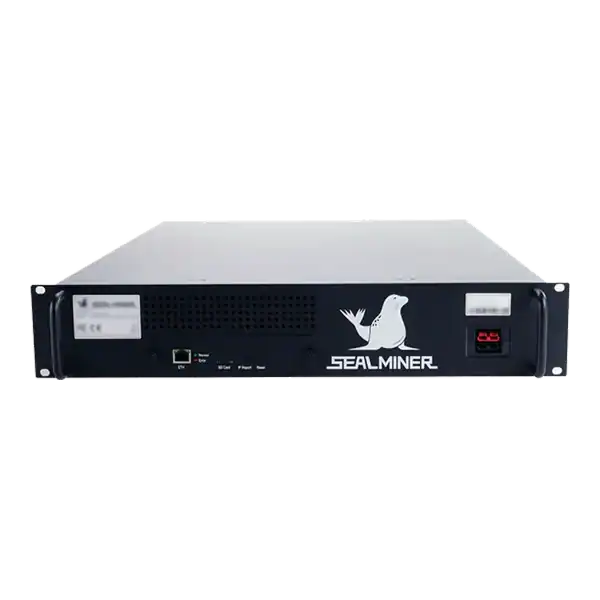
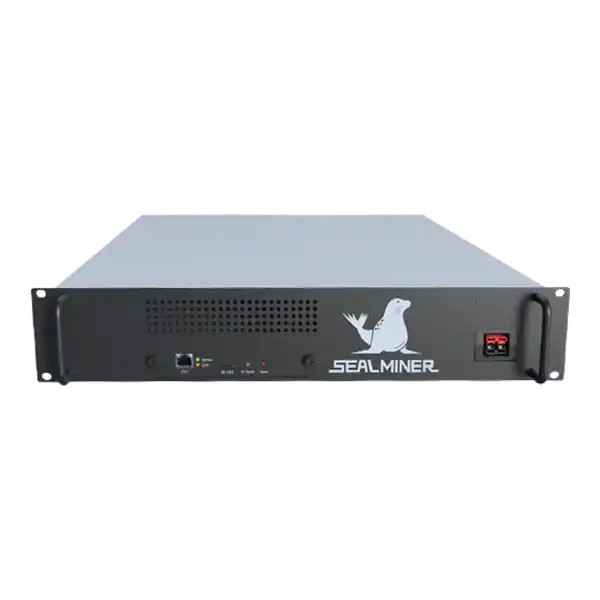

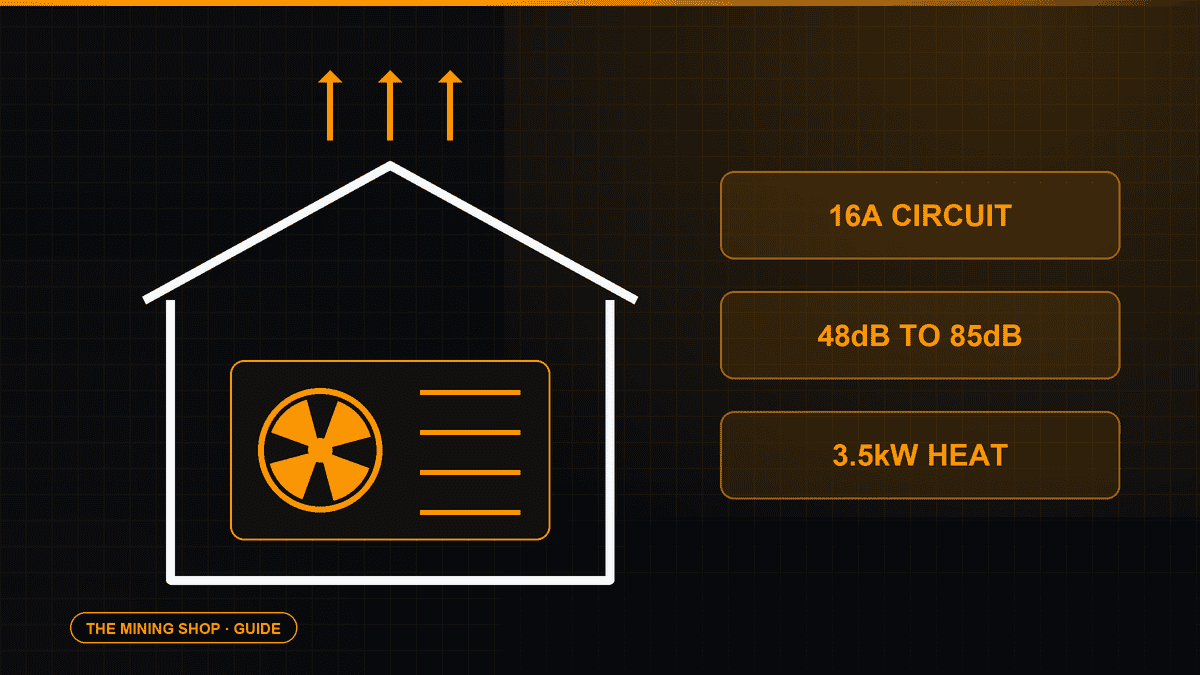
Home Bitcoin mining: A home ASIC needs a suitable dedicated circuit, competent electrical assessment and a safe route for continuous heat and noise.
ASIC fleet management software: Create an exact model-by-function matrix because reading telemetry, changing pools, tuning and updating firmware can have.
Complete an IceRiver AE0 setup with the correct 19 to 20 V supply, Ethernet, private interface, Aleo pool, accepted-proof checks and official firmware controls.
Join the ASIC Mining Discussion
Members can read and join the discussion
Log in to read comments from other miners. Create a free account if you would like to ask a question or share your experience.
Membership helps us protect the discussion from spam and keep answers useful.