

Sealminer A4 Ultra Hydro
Bitcoin & Bitcoin Cash ASIC Miner
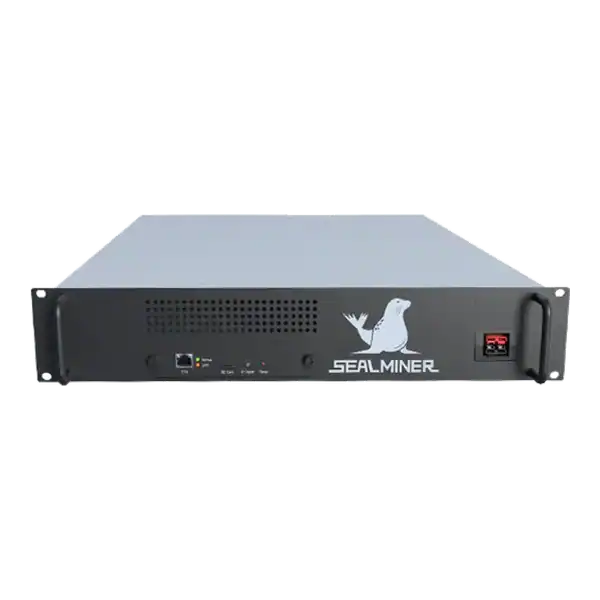

886TH
HASHRATE
9.45W/TH
EFFICIENCY
8373W
POWER
£898.19
EST. MONTHLY
NO PAYBACK
EST. ROI
ASIC fleet management software: Create an exact model-by-function matrix because reading telemetry, changing pools, tuning and updating firmware can have.
ASIC fleet management software should be selected from operating requirements and exit evidence, not a feature-count demo. Compare exact model and firmware support, on-site collector design, metric freshness, alerts, safe automation, role separation, customer tenancy, repair workflow, API, export, security, fees and recovery when the cloud service is unavailable.
A local batch utility and a persistent multi-site platform solve different problems. This article is the product-selection framework. Separate guides cover dashboard data design and BTC Tools versus Braiins Toolbox for local maintenance.
ASIC fleet management software: The checklist is deliberately evidence based. Marketing language such as home friendly, efficient or profitable has no fixed meaning without a measured operating mode and a real site boundary.
A mining technician is checking ASIC fleet management software. Write the intended outcome before looking at a headline hashrate. The correct comparison changes when the available circuit, sound limit, heat demand, pool route or expected ownership period changes.
Define fleet size, sites, customers, models, firmware, networks, users, repair process and reporting. Decide whether the product is observation only or may issue high-impact commands.
Separate persistent management from local tools. A scanner that finds miners and changes pools is not automatically a customer portal, historical database, ticket system or secure remote platform.
Rank must-have outcomes such as fast fault detection, customer separation, energy control, repair inventory and audit. Optional charts should not outweigh missing identity or security controls.
Write the intended outcome before looking at a headline hashrate. A learning device, a useful room heater, a quiet home miner and a commercially productive machine are different purchases. The correct comparison changes when the available circuit, sound limit, heat demand, pool route or expected ownership period changes.
Use a dated decision sheet and keep manufacturer claims separate from measured results. Record the exact model, variant, power supply, firmware and operating mode. Similar product names do not make accessories, voltage, firmware or thermal limits interchangeable.

Require an exact support matrix by model, controller, firmware and action. Run a proof with the site’s difficult revisions instead of only the vendor’s preferred demonstration devices.
Review the collector, cloud and API architecture, encryption, named accounts, MFA, roles, logs, retention, backup, vulnerability process, data location and supplier incident terms.
Test export of assets, history, alerts, tickets, users and configuration in a usable format. An exit plan that only downloads a screenshot is not adequate.
Prefer the manufacturer specification, manual and firmware portal for identity and limits. But treat them as the starting point rather than a promise of site performance. Keep a copy of the pages and files used because support pages, downloads and product revisions can change.
Ask the seller for a serial photograph, condition statement, included accessories and a recent operating record for the actual unit. A generic product image cannot prove board revision, power supply condition, repair history or whether the miner reaches stable accepted work.
Place collectors on controlled management segments and restrict outbound and inbound flows. Avoid exposing miner web interfaces or using one shared administrator credential across the fleet.
Separate view, acknowledge, restart, pool change, tune, firmware and platform administration. Customer users should see only their authorised assets and data.
Integrate gradually with ticketing, energy or billing systems. Preserve one authoritative asset ID and avoid circular automation where two services repeatedly change the same target.
A competent person should confirm the electrical route for the real continuous load. Check voltage, protective device, earthing, cable, connector, socket, isolation and ventilation together. Do not assume that a plug physically fitting a socket proves that the circuit is suitable for sustained operation.
Place the miner on a trusted network segment with no unnecessary inbound exposure. Change supplied credentials, use a documented wallet and pool account, set approved backup endpoints and confirm that every endpoint belongs to the intended operator before power is applied.
Pilot one site and compare asset discovery, data freshness, fault detection, false alerts, command success, ticket closure and pool reconciliation with the current process.
Simulate collector, internet and cloud outages. Confirm local mining continues safely, stale data is visible and staff retain a documented way to identify and isolate faults.
Calculate subscription, deployment, support, integrations, staff time, network, firmware fees and exit cost. Compare the operational loss it demonstrably avoids rather than assumed efficiency savings.
Measure power at the wall and compare local hashrate with accepted pool work over a representative period. Local display figures can look healthy while stale shares, invalid work, reconnects or a wrong payout address reduce useful output.
Calculate revenue and cost over a range, not one favourable day. Include electricity, pool fees, auxiliary cooling, maintenance, downtime, conversion costs and hardware value. For a heat-use case, credit only heat that replaces a cost the owner would otherwise incur.
| Risk | Evidence to get | Control |
|---|---|---|
| Feature support overstated | Exact model and action trial | Test difficult revisions |
| Cloud becomes operational dependency | Outage and local fallback test | Keep safe autonomous mining |
| Customer data crosses tenants | Role and tenancy test | Use strict isolation |
| Automation conflicts | Command ownership map | Assign one controller |
| Vendor lock-in | Complete export and deletion test | Approve an exit plan |
Rank each risk by consequence and by the practical ability to detect it before purchase. A low-priced machine with uncertain firmware, exhausted cooling or a weak algorithm market can require more working capital and attention than a newer unit with a higher invoice price.
Set written stop conditions. Examples include an unsafe supply, unavailable official firmware, rejected work above the approved limit, repeated thermal shutdown, no lawful payout route or an energy break-even price below the contracted rate. A stop condition prevents sunk cost from becoming the reason to continue.
Run a time-limited pilot with representative miners and named users. Test every required read and write function, not merely successful discovery.
Conduct failure, permission, export and removal tests before procurement. Approve only the functions that passed and keep unsupported features disabled.
Begin with one unit or the smallest sensible batch. Photograph labels and connections, export the original configuration, note ambient conditions and record the start time. Watch the kernel or system log, board detection, fan behaviour, temperatures, local hashrate, pool connection and accepted work.
Do not declare acceptance from a short dashboard snapshot. Run long enough to expose heat soak, intermittent network faults and pool variance. Retain the test record with the invoice, serial number, firmware file and any seller correspondence so a later repair or warranty question has a clear baseline.
The checklist is deliberately evidence based. Marketing language such as home friendly, efficient or profitable has no fixed meaning without a measured operating mode and a real site boundary. The record should make it possible for another competent person to reproduce the decision.
ASIC fleet management software: The checklist is deliberately evidence based. Marketing language such as home friendly, efficient or profitable has no fixed meaning without a measured operating mode and a real site boundary.
Define fleet size, sites, customers, models, firmware, networks, users, repair process and reporting.
Require an exact support matrix by model, controller, firmware and action. Run a proof with the site's difficult revisions instead of only the vendor's preferred demonstration devices.
Place collectors on controlled management segments and restrict outbound and inbound flows.
Choose fleet software from verified operational outcomes and failure behaviour. Prove exact model support, identity, permissions, alerts, commands, tenancy, export and local fallback on a representative site. A platform is valuable when it reduces measured loss without becoming an opaque single point of failure.
Use The Mining Shop UK tools and support pages to compare the exact hardware against your real electricity, installation, pool and operating constraints before ordering or commissioning it.
Create an exact model-by-function matrix because reading telemetry, changing pools, tuning and updating firmware can have different support. Test collector failure, cloud outage, permissions, audit and data export as carefully as dashboard appearance and automation.
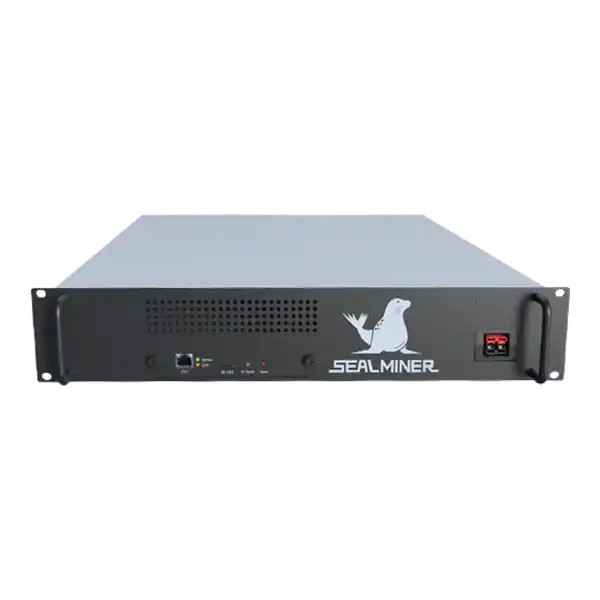

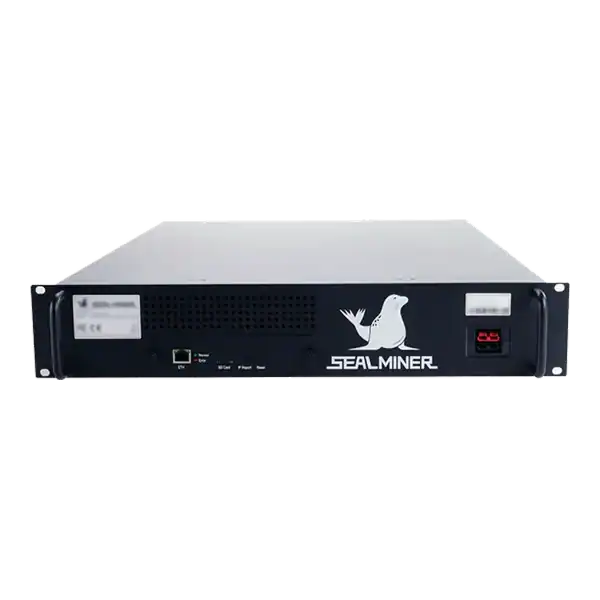
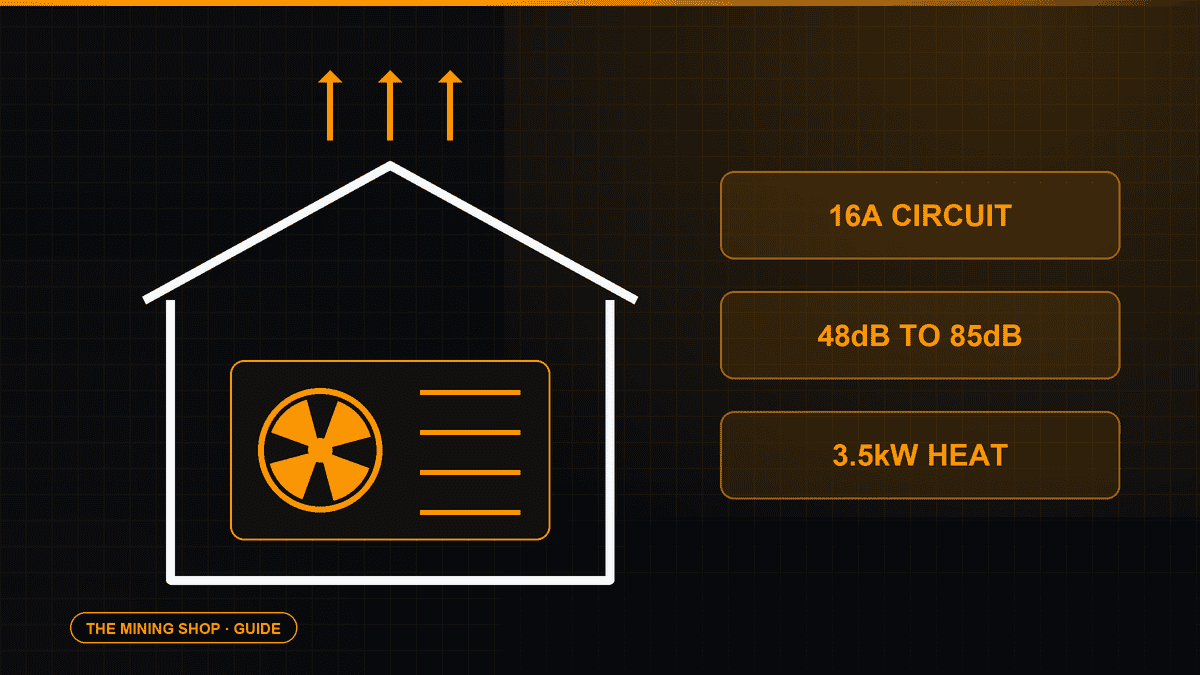
Home Bitcoin mining: A home ASIC needs a suitable dedicated circuit, competent electrical assessment and a safe route for continuous heat and noise.
Complete an IceRiver AE0 setup with the correct 19 to 20 V supply, Ethernet, private interface, Aleo pool, accepted-proof checks and official firmware controls.
Set up ASIC Telegram alerts with a dedicated bot, protected token, private chat, minimal data, actionable thresholds, rate limits, test messages and incident.
Join the ASIC Mining Discussion
Members can read and join the discussion
Log in to read comments from other miners. Create a free account if you would like to ask a question or share your experience.
Membership helps us protect the discussion from spam and keep answers useful.