

Sealminer DL1 Hydro
Litecoin & Dogecoin ASIC Miner
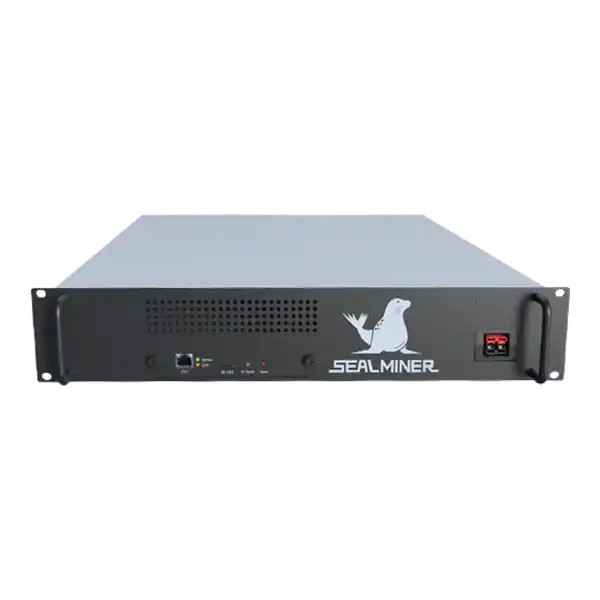

52.5GH
HASHRATE
149W/GH
EFFICIENCY
7823W
POWER
£724.00
EST. MONTHLY
NO PAYBACK
EST. ROI
scaling from home mining to a professional ASIC operation: Professional ASIC Operation treats scale as an infrastructure and process decision. Read the.
scaling from home mining to a professional ASIC operation: Professional ASIC Operation treats scale as an infrastructure and process decision. Read the.
scaling from home mining to a professional ASIC operation Professional ASIC Operation treats scale as an infrastructure and process decision. Power, cooling, network resilience, spares, monitoring, contracts and staffing must grow with the miner count.
Scaling from home mining to a professional ASIC operation: Scaling up in ASIC mining means transitioning from using a few small machines or GPUs to operating a professional setup.
A site operator wants to understand scaling from home mining to a professional ASIC operation. If you’re ready to move beyond hobbyist status, scaling up involves understanding: Before scaling up, take stock of your existing mining operation.
Scaling up is the dream of many hobbyist miners who dabble in cryptocurrency mining as a side gig. Moving from a small-scale operation to a professional ASIC (Application-Specific Integrated Circuit) mining setup can seem daunting. But with the right guidance, it’s achievable.
This guide will walk you through every step of the process, ensuring you understand what it takes to scale up efficiently and profitably.

Scaling up in ASIC mining means transitioning from using a few small machines or GPUs to operating a professional setup. This involves leveraging ASIC miners, devices designed specifically for mining cryptocurrencies like Bitcoin or Litecoin. These machines are far more efficient than general-purpose hardware and are the backbone of serious mining operations.
If you’re ready to move beyond hobbyist status, scaling up involves understanding:
Before scaling up, take stock of your existing mining operation. Ask yourself:
Hobbyist setups often prioritise experimentation over efficiency. Scaling up means optimising for profitability. For example, if you’re mining Bitcoin, you’ll need ASIC miners like the Bitmain Antminer series, known for their high hash rates and energy efficiency.
Scaling up requires investment, so create a detailed budget. Here’s what to include:
Once you have your equipment, the next step is setting up a professional mining facility. This could be in your home, a rented warehouse, or a colocation facility specifically designed for crypto mining.
As a hobbyist, you might have mined solo or in small pools. Scaling up requires joining larger, more professional mining pools. These pools offer:
Some popular mining pools for professional miners include F2Pool, Slush Pool, and Poolin.
After setting up your professional ASIC mining operation, ongoing monitoring is crucial. Use mining software like Awesome Miner or Hive OS to track:
Regularly optimise your setup to ensure maximum profitability. This could mean tweaking your ASIC miners’ settings, cleaning the hardware, or even switching mining pools if payouts decrease.
As a professional miner, you’ll need to comply with local laws and regulations. This includes:
Visit government websites or consult a professional to ensure compliance.
Scaling from home mining to a professional ASIC operation: Scaling up in ASIC mining means transitioning from using a few small machines or GPUs to operating a professional setup.
Scaling up in ASIC mining means transitioning from using a few small machines or GPUs to operating a professional setup.
Check the exact equipment, current documentation, measured results and the main cost or safety risk before making a decision.
ASIC Miner Hosting and Scaling readers should compare the article's facts with their own equipment, location and current operating conditions.
Capacity planning must cover continuous electrical load, heat removal, networking, spares and safe access. Monitoring, pool failover and incident response should be tested before adding more miners.
Use these pages to move from research to a product or operating decision:
For scaling from home, check current official guidance and retain the evidence used for the decision. Use current official guidance alongside this article because network rules, tax guidance and safety duties can change.
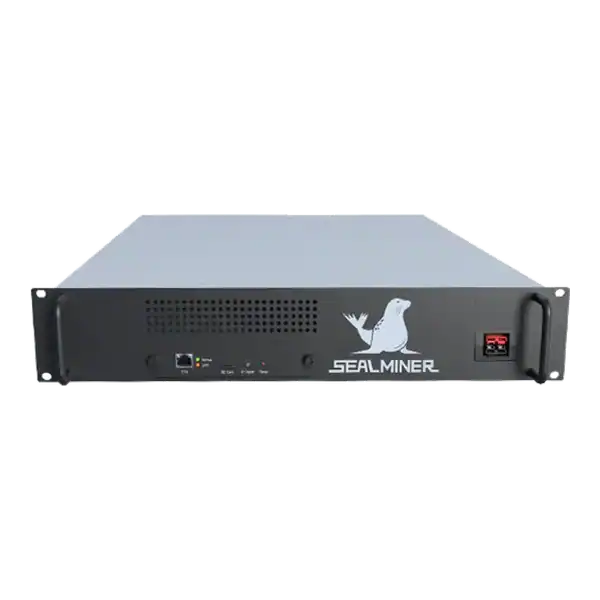

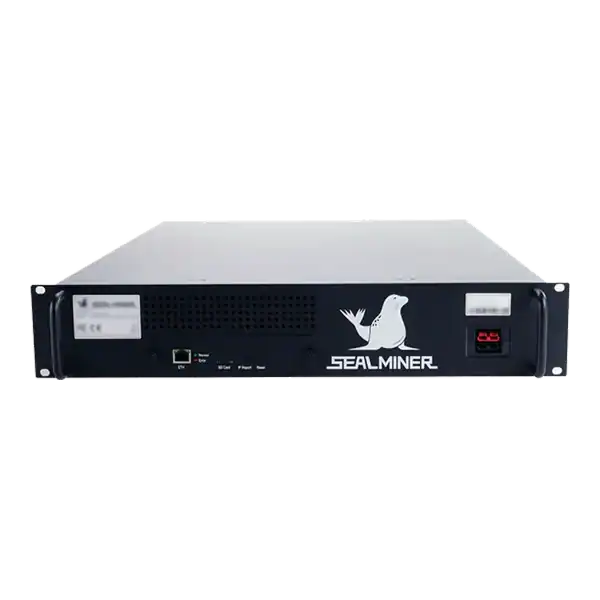
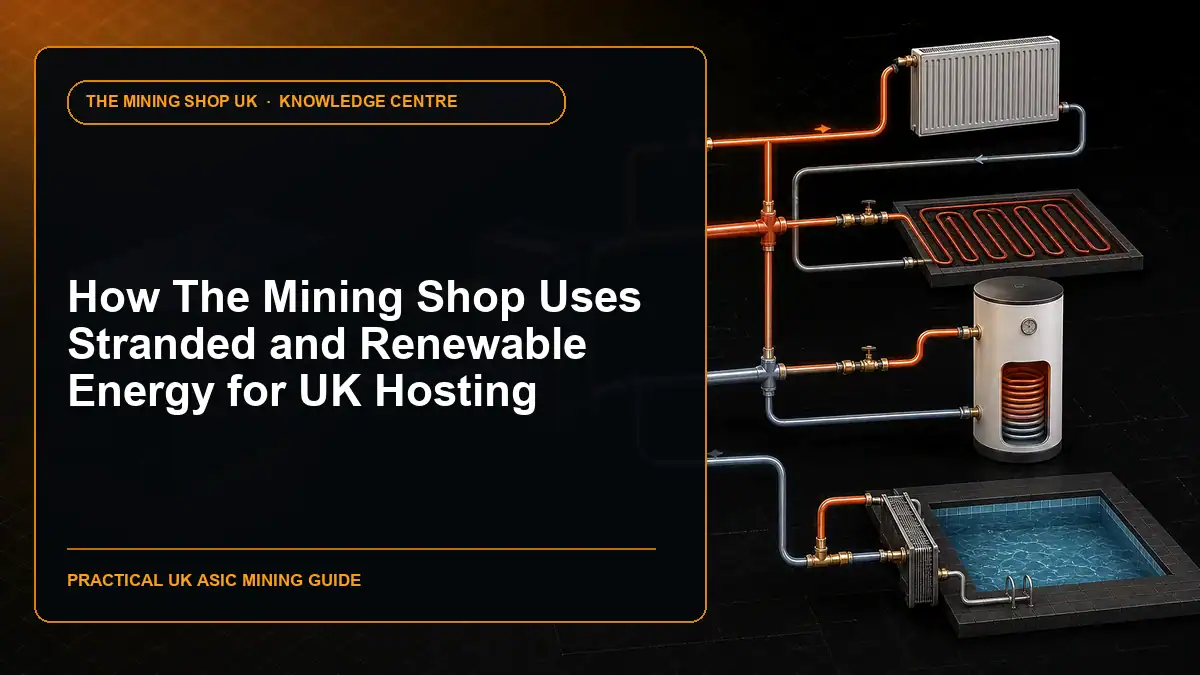
Renewable energy Bitcoin mining UK: UK guidance on contracts, cost, ownership, risk, records and practical checks to complete before committing equipment.
Use this Bitcoin mining handbook after commissioning to manage daily checks, maintenance, pools, security, cost reviews, records, incidents and end-of-life.
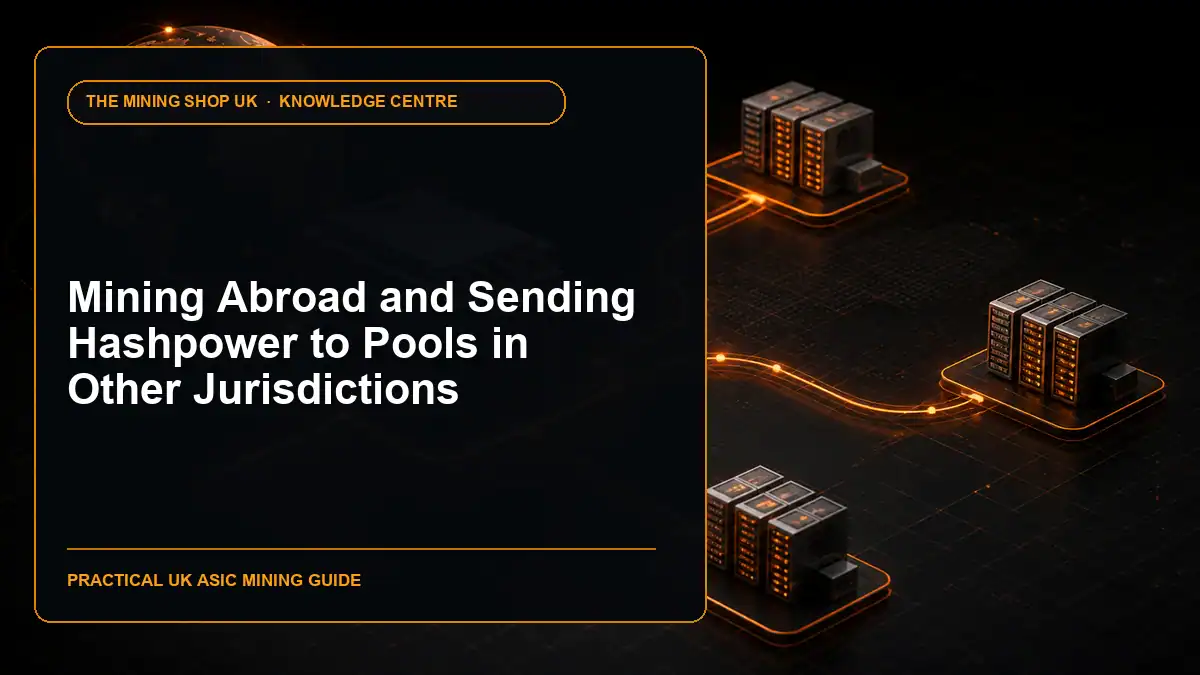
Cross border hashpower: Record where the hardware is located, who owns it, who operates it, who buys electricity, which entity contracts with the pool.
Join the ASIC Mining Discussion
Members can read and join the discussion
Log in to read comments from other miners. Create a free account if you would like to ask a question or share your experience.
Membership helps us protect the discussion from spam and keep answers useful.