

Antminer Z15 Pro
Zcash & Horizen ASIC Miner
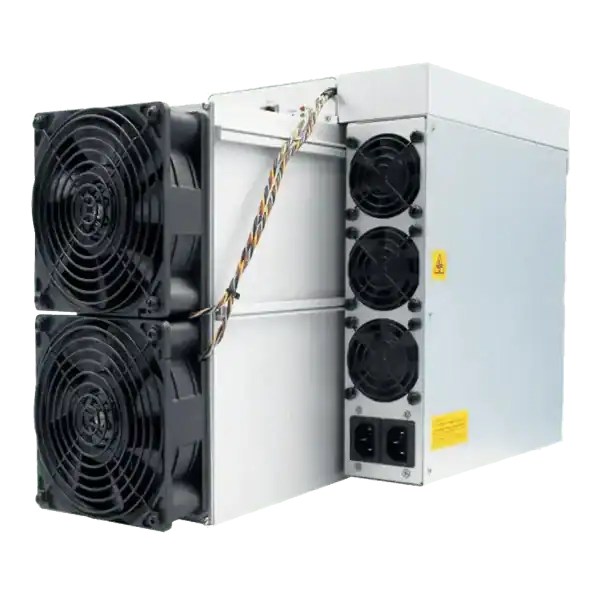

840KSOL
HASHRATE
3.3W/KSOL
EFFICIENCY
2772W
POWER
£1394.19
EST. MONTHLY
9
Months
EST. ROI
Mining Difficulty made simple. Compare performance, power, cooling, noise and practical risks before choosing or operating mining hardware.

Learn how Bitcoin mining difficulty, pool share difficulty and a miner’s best difficulty affect ASIC revenue, probability and planning in the UK.
For a fixed hashrate, a rise in Bitcoin mining difficulty reduces the expected share of block rewards over time.
A miner wants to understand Mining Difficulty. Read why ASIC efficiency and J/TH matter before choosing solely by hashrate. A result is valid only when the resulting number is at or below the network target.
Bitcoin miners repeatedly hash an 80 byte block header. A result is valid only when the resulting number is at or below the network target. Difficulty is a convenient way of expressing how demanding that target is. A lower target means fewer acceptable hashes and therefore more attempts on average.
This is a probability process rather than a puzzle that becomes gradually closer to completion. Every hash is a fresh attempt. A miner can find a valid block unusually quickly, or run for far longer than the statistical average, without the equipment being faulty.

Bitcoin reviews the time taken to produce each group of 2,016 blocks. The protocol then adjusts the target so that the next group should take about two weeks if the network hashrate remains unchanged. Faster production generally causes difficulty to rise. Slower production generally causes it to fall.
The adjustment applies to the network, not to one miner. Adding a more powerful ASIC increases your share of the total hashrate. But it does not give you a different network target from everyone else.
When more hashrate joins Bitcoin, blocks would be found faster if the target stayed fixed. The difficulty adjustment counteracts that change. When hashrate leaves, the reverse can happen. This mechanism helps preserve Bitcoin’s target block interval while mining capacity changes.
These three figures are often confused, particularly on home and solo mining dashboards.
Network difficulty is the threshold a hash must satisfy for a block to be accepted by Bitcoin nodes. It is the same challenge for every miner working on the current block template.
A mining pool usually asks workers to submit hashes that meet an easier target. These submissions are called shares. Shares let the pool measure contributed work and apply its payout method. A valid share is not necessarily a valid Bitcoin block, although a share can occasionally satisfy both targets.
Best difficulty is the strongest share recorded by the miner or pool during a session or over its stored history. It is useful evidence that the device is submitting work. But it is not a progress bar. A best difficulty of half the network difficulty does not mean the miner is halfway to a block. The next hash remains independent.
Search Console data shows that this distinction is the main question bringing users to this article. If you are evaluating solo mining, compare your hashrate with the current network hashrate and calculate an expected time statistically. Do not use the best share as a forecast.
For a fixed hashrate, a rise in Bitcoin mining difficulty reduces the expected share of block rewards over time. It does not directly make an individual hash consume more electricity. Your ASIC will normally draw broadly the same power while running at the same profile. The economic effect comes from earning less bitcoin for that same operating cost.
Difficulty is only one input. Bitcoin price, transaction fees, pool fees, uptime and the block subsidy also influence revenue. Electricity, cooling, maintenance, hosting, finance and hardware depreciation influence cost. Use the ASIC mining profitability calculator to test these figures together, then compare current machines in the live ASIC profitability table.
Two miners can produce similar hashrate while drawing very different amounts of power. Joules per terahash gives a cleaner comparison for SHA-256 hardware. A more efficient miner can remain viable at a higher electricity price, although purchase price, condition and cooling requirements still matter.
Read why ASIC efficiency and J/TH matter before choosing solely by hashrate.
Pool choice changes payout variance and fees, but it does not remove network difficulty. See how to compare mining pools for ASIC hardware for a separate assessment.
For a fixed hashrate, a rise in Bitcoin mining difficulty reduces the expected share of block rewards over time.
Bitcoin miners repeatedly hash an 80 byte block header. A result is valid only when the resulting number is at or below the network target.
Bitcoin reviews the time taken to produce each group of 2,016 blocks.
These three figures are often confused, particularly on home and solo mining dashboards.
Bitcoin adjusts network difficulty every 2,016 blocks to keep average block production close to ten minutes. A higher network difficulty reduces the expected bitcoin earned by a fixed amount of hashrate, all else being equal.
Technical and market conditions can change. This article was fact checked on 14 August 2026 and is educational information, not a promise of mining returns.
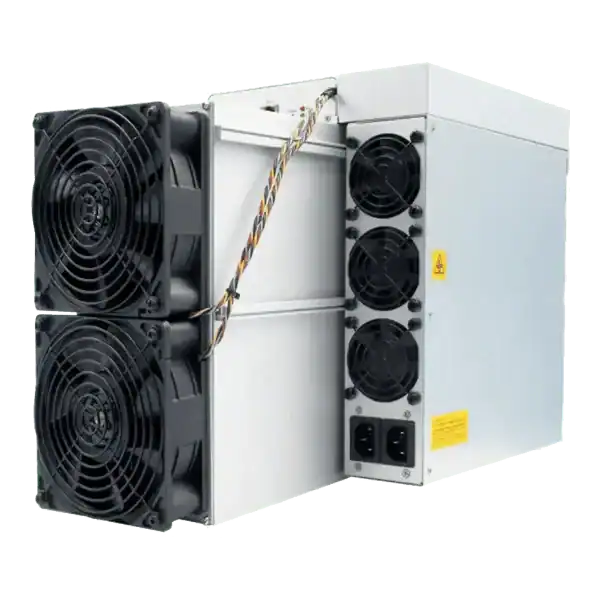
Build a five-year ASIC replacement calendar from efficiency gap, tariff, failure rate, parts, firmware, resale, network scenarios and capital gates.
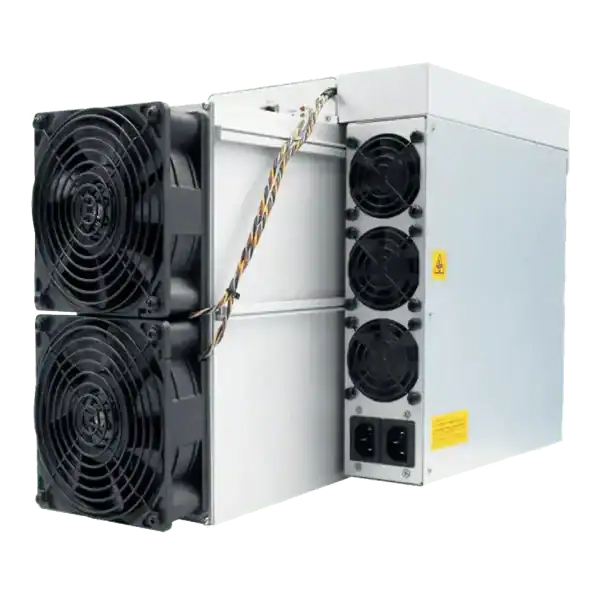
Build ASIC profit forecast ranges using base, downside and severe cases for accepted hashrate, energy, uptime, difficulty, reward, fees, price and repairs.
Compare European ASIC mining energy costs using the correct tariff band, taxes, grid connection, curtailment, cooling, contracts and location risks.
Join the ASIC Mining Discussion
Members can read and join the discussion
Log in to read comments from other miners. Create a free account if you would like to ask a question or share your experience.
Membership helps us protect the discussion from spam and keep answers useful.