

Antminer Z15 Pro
Zcash & Horizen ASIC Miner
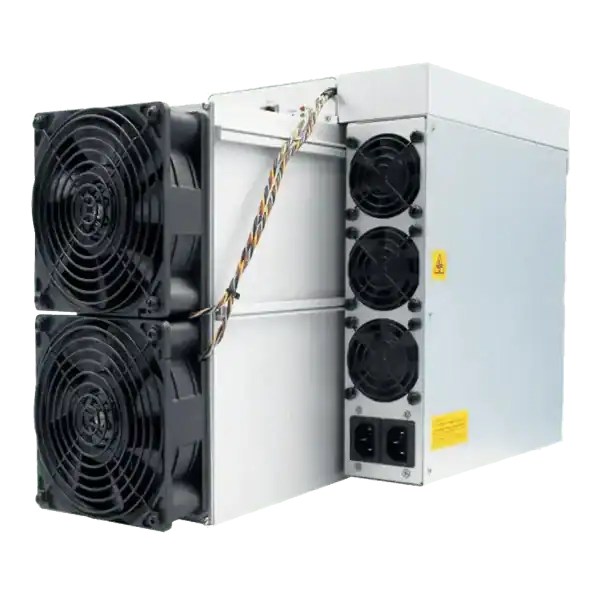

840KSOL
HASHRATE
3.3W/KSOL
EFFICIENCY
2772W
POWER
£1390.70
EST. MONTHLY
9
Months
EST. ROI
ASIC miner efficiency vs hashrate: ASIC guidance on compatibility, measurement, fees, reliability, security and checks before routing hashrate.
ASIC miner efficiency vs hashrate: ASIC guidance on compatibility, measurement, fees, reliability, security and checks before routing hashrate.
ASIC miner efficiency vs hashrate: A lower J/TH machine can stay online at higher energy prices, generate less heat for the same hashrate and reduce the size of cables, transformers, ventilation, pumps and heat rejection.
A miner is checking ASIC miner efficiency vs hashrate. At the same time, 200 TH/s at 30 J/TH draws about 6,000 W before site losses.
When rewards were larger relative to network competition and power was cheaper, operators often pursued the maximum terahashes from each box. Firmware modifications, higher fan speeds, colder air, hydro conversions and immersion cooling made overclocking attractive. More hashrate normally meant more gross revenue.
That logic ignored the growing cost of the extra watts and stress. As difficulty rose and margins tightened, the energy needed for each terahash became a more useful comparison.

Hashrate describes how much proof of work the miner attempts. Efficiency, usually shown as joules per terahash or watts per terahash, shows the electrical power needed for each unit of hashrate. Lower is better. A 200 TH/s miner at 20 J/TH draws about 4,000 W.
At the same time, 200 TH/s at 30 J/TH draws about 6,000 W before site losses.
Daily energy use equals watts divided by 1,000, multiplied by 24. Daily energy cost equals that kWh figure multiplied by the delivered electricity price. A 4,000 W miner uses about 96 kWh per day. At £0.07 per kWh, energy alone costs £6.72 per day.
Add pool fees, cooling, transformers, pumps, hosting, maintenance and downtime for a full operating cost.
The energy only breakeven price equals daily gross mining revenue divided by daily kWh. If a miner earns £8 gross and uses 96 kWh, the energy breakeven is about £0.083 per kWh before every other cost. A more efficient miner producing the same gross revenue with 72 kWh would have an energy breakeven of about £0.111 per kWh.
This value changes with coin price, transaction fees, network difficulty and pool performance. It is a snapshot, not a guaranteed tariff or profit.
A lower J/TH machine can stay online at higher energy prices, generate less heat for the same hashrate and reduce the size of cables, transformers, ventilation, pumps and heat rejection. On a power constrained site, it can also place more hashrate behind the same connection.
The premium is limited by purchase price, expected life and opportunity cost. An older cheap miner can still make sense with very low cost or otherwise unusable energy.
Underclocking can reduce power faster than hashrate on a suitable efficiency curve, improving J/TH and lowering heat and noise. It can be useful when electricity is expensive, a circuit is constrained or summer cooling is limited. Test stable firmware settings, measure at the wall and check pool accepted hashrate rather than relying only on the miner dashboard.
Overclocking increases hashrate but usually worsens efficiency and raises temperature, current, fan demand and component stress. It can be rational during short periods of unusually high revenue or where power and cooling are abundant. Check warranty, electrical capacity, connector temperatures, firmware provenance and failure cost before increasing limits.
Cooling method does not create free efficiency. But it can keep chips within a stable temperature range and support tuned operating points. Hydro and immersion can reduce fan power and make heat recovery easier. At the same time, adding pumps, heat exchangers and maintenance. Compare total site power, not miner nameplate power alone.
Hashrate still matters because it produces revenue. Efficiency decides how expensive that revenue is to generate. For most buyers, the best machine is not the highest hashrate or the lowest J/TH in isolation. It is the miner that produces the strongest risk adjusted margin on the site’s real power, cooling and capital constraints.
ASIC miner efficiency vs hashrate: A lower J/TH machine can stay online at higher energy prices, generate less heat for the same hashrate and reduce the size of cables, transformers, ventilation, pumps and heat rejection.
When rewards were larger relative to network competition and power was cheaper, operators often pursued the maximum terahashes from each box.
Hashrate describes how much proof of work the miner attempts. Efficiency, usually shown as joules per terahash or watts per terahash, shows the electrical power needed for each unit of hashrate.
Daily energy use equals watts divided by 1,000, multiplied by 24.
Hashrate measures output. J/TH or W/TH measures the energy required for that output. Lower J/TH generally raises the maximum electricity price a miner can tolerate for the same network and revenue conditions.
For ASIC miner efficiency, check current official guidance and retain the evidence used for the decision. Rules and official guidance can change. Check the current source before making a decision.
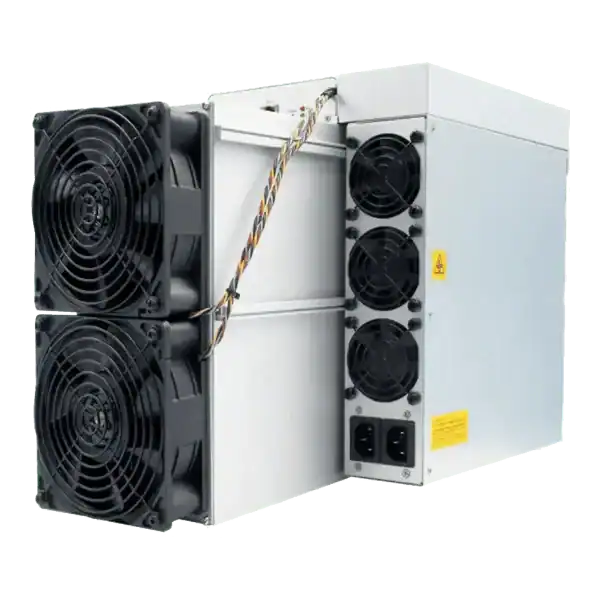
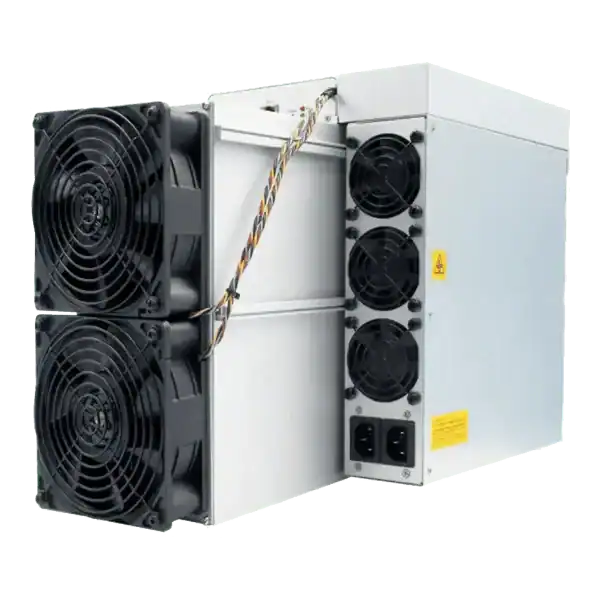

Build a five-year ASIC replacement calendar from efficiency gap, tariff, failure rate, parts, firmware, resale, network scenarios and capital gates.
Build ASIC profit forecast ranges using base, downside and severe cases for accepted hashrate, energy, uptime, difficulty, reward, fees, price and repairs.
Compare European ASIC mining energy costs using the correct tariff band, taxes, grid connection, curtailment, cooling, contracts and location risks.
Join the ASIC Mining Discussion
Members can read and join the discussion
Log in to read comments from other miners. Create a free account if you would like to ask a question or share your experience.
Membership helps us protect the discussion from spam and keep answers useful.