

Sealminer A4 Ultra Hydro
Bitcoin & Bitcoin Cash ASIC Miner
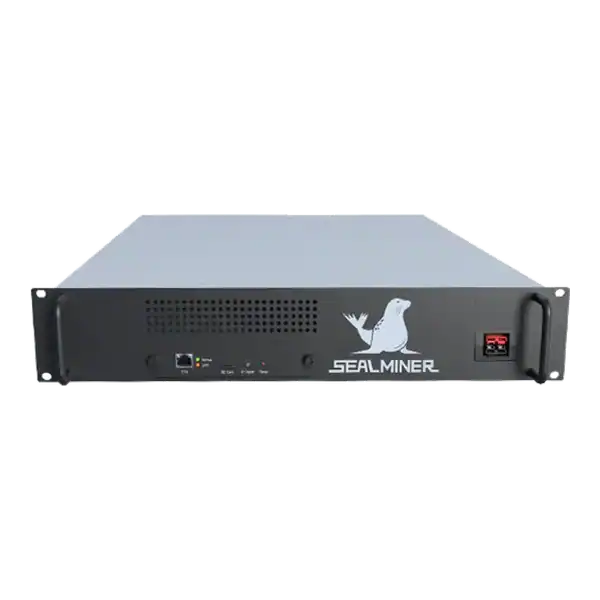

886TH
HASHRATE
9.45W/TH
EFFICIENCY
8373W
POWER
£933.57
EST. MONTHLY
NO PAYBACK
EST. ROI
Home Bitcoin miner electricity use made simple. See the main facts, costs, risks and practical checks before you make a decision.
Home Bitcoin miner electricity use is determined by measured power and running time, not hashrate alone. This guide shows how to convert watts into daily and monthly kWh, apply an all-in UK tariff and check whether the circuit, heat and household demand can support the machine.
Home Bitcoin miner electricity use: Electricity break-even is gross daily mining revenue divided by daily kWh. If an ASIC earns an illustrative £8.40 gross and uses 84 kWh, the miner-only break-even electricity price is £0.10 per kWh.
A site operator is checking home Bitcoin miner electricity use. If underclocking is supported, compare measured watts and accepted hashrate rather than assuming proportional savings.
Power and energy are related but different. Watts and kilowatts describe the rate of consumption. Kilowatt-hours describe energy used over time and are the unit normally billed. Divide the miner’s watts by 1,000 to get kilowatts, then multiply by hours of operation. A 3,500 W miner is 3.5 kW. At 24 hours it uses 84 kWh.
For a 30-day continuous month, multiply 84 kWh by 30 to get 2,520 kWh. A calendar year at constant operation would be 30,660 kWh. These are energy calculations, not profitability figures. They assume the miner draws exactly 3.5 kW for every stated hour and exclude ventilation, pumps, routers and other equipment.
Manufacturer power is a planning input. Confirm actual wall power after installation because voltage, firmware mode, temperature, unit tolerance and PSU efficiency affect it. Use properly rated metering suited to a continuous load. A cheap domestic smart plug may not be appropriate for industrial current.

Multiply kWh by the effective unit price. At £0.25 per kWh, 84 kWh costs £21 per day and £630 over a 30-day month. At £0.10 per kWh, the same energy costs £8.40 per day and £252 per month. The miner did not become more efficient. Only the price changed.
| Measured power | Daily energy | Monthly energy | At £0.10/kWh | At £0.25/kWh |
|---|---|---|---|---|
| 1.0 kW | 24 kWh | 720 kWh | £72 | £180 |
| 2.0 kW | 48 kWh | 1,440 kWh | £144 | £360 |
| 3.0 kW | 72 kWh | 2,160 kWh | £216 | £540 |
| 3.5 kW | 84 kWh | 2,520 kWh | £252 | £630 |
| 5.0 kW | 120 kWh | 3,600 kWh | £360 | £900 |
Use the rate that actually reaches the bill. Time-of-use tariffs require energy to be split by period. Standing charges already paid for the property should not automatically be allocated in full to one miner. But any tariff change, capacity charge or dedicated meter caused by mining belongs in the commercial model. Keep VAT treatment separate and get accounting advice.
Current is about power divided by voltage for a simplified single-phase estimate. At 230 V, a 3,500 W load is about 15.2 A before considering actual power factor, tolerances and design requirements. That simple number shows why many modern ASICs are not suitable for an ordinary shared socket circuit. But it is not a circuit design.
HSE guidance says equipment must suit the supply, the voltage must be correct and the supply must deliver the required current. A competent electrician should assess cable installation method, protective device, connection, earthing, isolation, environmental conditions, diversity and continuous operation. The nominal rating printed on a plug or extension lead is not evidence that the complete installation is suitable.
Three-phase and higher-power equipment require the manufacturer’s exact supply arrangement. Do not improvise adapters, split connectors or phase balancing. Confirm connectors, torque requirements and inspection intervals. Stop using equipment if plugs, sockets, cables or distribution points show heat damage, discolouration, smell or intermittent operation.
An air-cooled miner converts nearly all its electrical input into heat. A 3.5 kW ASIC creates about a 3.5 kW heat load while running. So extraction is not optional. If extra fans add 200 W, total daily energy becomes 3.7 kW multiplied by 24, or 88.8 kWh. Price the complete installation rather than the miner alone.
Household demand continues at the same time. Cooking, electric showers, vehicle charging, heat pumps and immersion heaters can coincide with mining. The electrician and network operator may need to assess the property’s maximum demand and service capacity. Do not assume that an unused socket represents spare continuous capacity.
Noise control can also consume energy and restrict airflow. A sound enclosure with under-sized fans can raise ASIC temperature and trigger higher fan speed or throttling. Measure inlet temperature, outlet route and wall power together. Keep dust and combustible materials away from the intake and exhaust.
Electricity break-even is gross daily mining revenue divided by daily kWh. If an ASIC earns an illustrative £8.40 gross and uses 84 kWh, the miner-only break-even electricity price is £0.10 per kWh. At a tariff above that level, gross revenue does not cover miner electricity under those assumptions.
This is not business break-even. Pool fees, cooling, maintenance, hosting or room costs, downtime, hardware repayment and tax still need to be included. Gross revenue is dynamic: bitcoin price, fees, difficulty and accepted hashrate change. Refresh the figure using a dated source and test lower-revenue cases.
For time-of-use operation, calculate each running period separately. A miner operated for eight hours at £0.08 and sixteen hours powered down uses one third of its continuous daily energy. But restart behaviour and lost mining revenue must be included. If underclocking is supported, compare measured watts and accepted hashrate rather than assuming proportional savings.
Home operation can make sense for smaller or efficient miners where the supply is professionally assessed, the tariff is understood and heat or noise can be managed. It is easier to justify when useful heat displaces electricity that would otherwise be purchased.
A measured trial is stronger than a nameplate forecast. Log wall power, accepted hashrate, temperature, rejects and total billed energy before scaling.
It is a poor fit where the circuit is marginal, the property has no heat-rejection route, neighbours will be affected or the all-in tariff exceeds realistic revenue. Do not make a residential installation depend on unsafe adapters or unsupervised hot equipment.
Hosting can be more practical when industrial power, cooling and monitoring are required. Compare complete hosting charges with the home’s complete energy and infrastructure cost.
Keep the calculation beside the commissioning record and energy bills. Recheck after a firmware change, power-profile change, seasonal temperature shift or tariff update. If actual consumption differs materially from the plan, investigate before extrapolating it across a year.
Home Bitcoin miner electricity use: Electricity break-even is gross daily mining revenue divided by daily kWh.
Power and energy are related but different. Watts and kilowatts describe the rate of consumption.
Multiply kWh by the effective unit price. At £0.25 per kWh, 84 kWh costs £21 per day and £630 over a 30-day month.
Current is about power divided by voltage for a simplified single-phase estimate.
Home Bitcoin miner electricity use is a straightforward energy calculation but a serious installation decision. Convert measured watts to kWh, apply the complete tariff, add ventilation and compare the result with dated gross revenue. A competent electrician must decide whether the property and circuit can support the continuous load. Measure after commissioning and refresh the calculation whenever the tariff, firmware or operating conditions change.
Enter your measured power and electricity price in The Mining Shop UK profitability tools, then compare home operation with managed hosting before choosing a miner.
Divide watts by 1,000, multiply by running hours, then apply the complete price per kWh. A 3.5 kW ASIC uses 84 kWh per 24 hours and about 2,520 kWh in a 30-day month if it runs continuously.
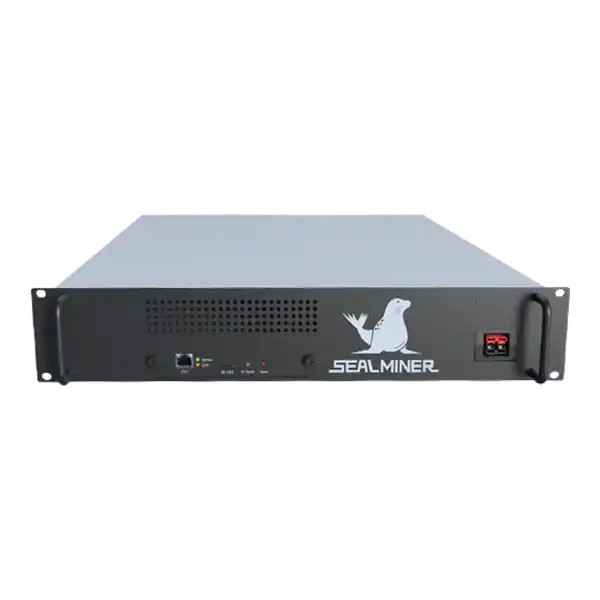

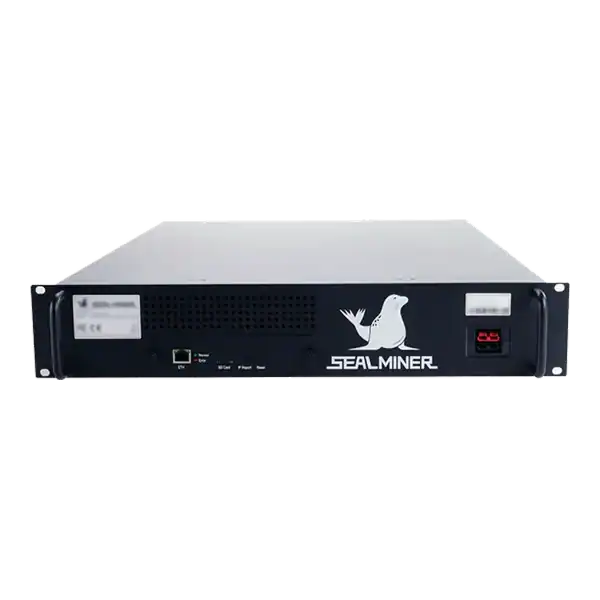
Understand ASIC Mining at Home. Plan electrical load, airflow, heat, noise and cooling for a UK mining site before choosing equipment.
Understand ASIC Mining Energy Efficiency. Plan electrical load, airflow, heat, noise and cooling for a UK mining site before choosing equipment.
Understand ASIC Power Management. Plan electrical load, airflow, heat, noise and cooling for a UK mining site before choosing equipment.
Join the ASIC Mining Discussion
Members can read and join the discussion
Log in to read comments from other miners. Create a free account if you would like to ask a question or share your experience.
Membership helps us protect the discussion from spam and keep answers useful.