

Sealminer A4 Ultra Hydro
Bitcoin & Bitcoin Cash ASIC Miner
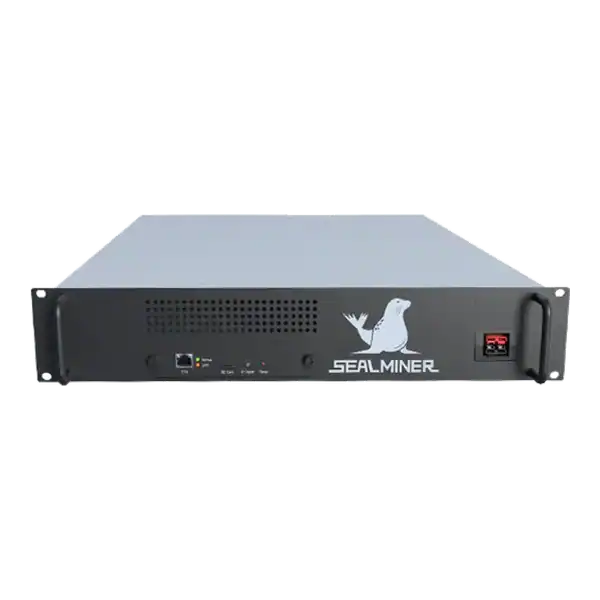

886TH
HASHRATE
9.45W/TH
EFFICIENCY
8373W
POWER
£903.43
EST. MONTHLY
NO PAYBACK
EST. ROI
Understand ASIC Mining at Home. Plan electrical load, airflow, heat, noise and cooling for a UK mining site before choosing equipment.
Understand ASIC Mining at Home. Plan electrical load, airflow, heat, noise and cooling for a UK mining site before choosing equipment.
ASIC Mining at Home: Managing Power, Heat and Noise puts electrical capacity, heat rejection, airflow, noise and maintenance ahead of headline hashrate. These site conditions determine whether hardware can run reliably.
ASIC Mining at Home: Mining devices like ASIC miners are designed to solve complex mathematical problems at high speeds, consuming a lot of electricity in the process.
A site operator wants to understand ASIC Mining at Home. If not managed, these issues can impact performance, shorten equipment lifespan, and even disturb your home environment.
Mining at Home has become increasingly popular as more people explore cryptocurrency mining as a hobby or small-scale business. However, managing the heat and noise generated by ASIC (Application-Specific Integrated Circuit) miners is a challenge that can’t be ignored. If you are a hobbyist or a seasoned professional, understanding how to optimise your setup can ensure smooth and efficient operations.

Mining devices like ASIC miners are designed to solve complex mathematical problems at high speeds, consuming a lot of electricity in the process. This intensive workload generates significant heat, and the built-in fans needed to cool the machines create substantial noise levels. If not managed, these issues can impact performance, shorten equipment lifespan, and even disturb your home environment.
Excess heat is one of the primary concerns for anyone involved in mining at home. Here’s how you can effectively manage it:
Locate your mining rig in a naturally cool place like a basement, garage, or an air-conditioned room. Cooler starting temperatures help minimise the effort required to regulate heat.
Install fans or an exhaust system to keep air circulating. Venting hot air outside is ideal to prevent heat buildup indoors.
If you’re using multiple ASIC miners, ensure there’s enough space between each device to allow for proper airflow.
A dedicated air conditioner can keep your mining area cool, but this method increases electricity costs.
Advanced miners may opt for water cooling systems, which provide a quieter and more efficient cooling solution.
For smaller setups, using heat sinks or placing the miner near windows for natural airflow can help reduce overheating.
Noise from mining at home can disrupt daily life, especially in residential areas. Here are steps to minimise it:
Line walls with soundproof foam or acoustic panels to absorb noise.
Construct or purchase a mining enclosure that’s both ventilated and sound-dampening.
Invest in vibration-dampening pads or anti-noise mats to reduce the impact of sound.
Not all ASIC miners are equally loud. Some models are designed to operate with reduced noise levels. Research quieter options or invest in aftermarket fans optimised for silent operation.
While managing heat and noise are critical, here are some extra tips to keep your mining at home hassle-free:
Use temperature-monitoring software to track and adjust performance in real time.
Clean your miners regularly to prevent dust accumulation, which can hinder cooling efficiency.
Ensure your setup is connected to a reliable power source with enough capacity to handle the high energy demand.
ASIC Mining at Home: Mining devices like ASIC miners are designed to solve complex mathematical problems at high speeds, consuming a lot of electricity in the process.
Mining devices like ASIC miners are designed to solve complex mathematical problems at high speeds, consuming a lot of electricity in the process.
Excess heat is one of the primary concerns for anyone involved in mining at home .
Noise from mining at home can disrupt daily life, especially in residential areas.
Electrical load and heat output must be designed for continuous operation, not estimated from a domestic appliance comparison. Cooling choice changes noise, maintenance, infrastructure cost and the options for heat recovery.
Use these pages to move from research to a product or operating decision:
Use current official guidance alongside this article because network rules, tax guidance and safety duties can change.
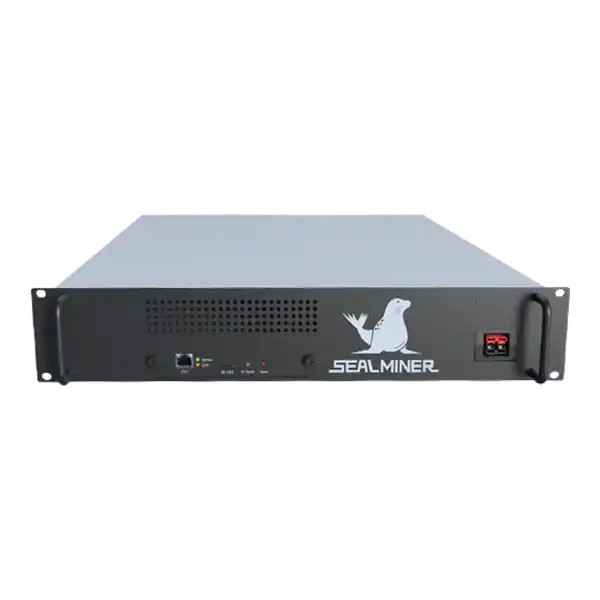

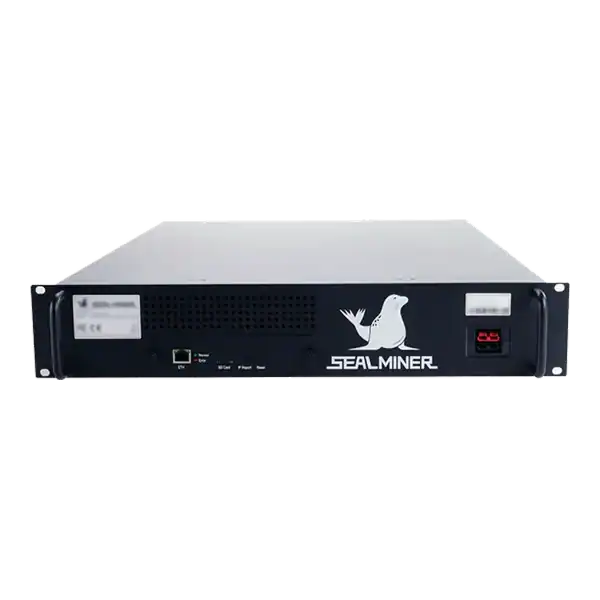
Home Bitcoin miner electricity use made simple. See the main facts, costs, risks and practical checks before you make a decision.
Understand ASIC Mining Energy Efficiency. Plan electrical load, airflow, heat, noise and cooling for a UK mining site before choosing equipment.
Understand ASIC Power Management. Plan electrical load, airflow, heat, noise and cooling for a UK mining site before choosing equipment.
Join the ASIC Mining Discussion
Members can read and join the discussion
Log in to read comments from other miners. Create a free account if you would like to ask a question or share your experience.
Membership helps us protect the discussion from spam and keep answers useful.