

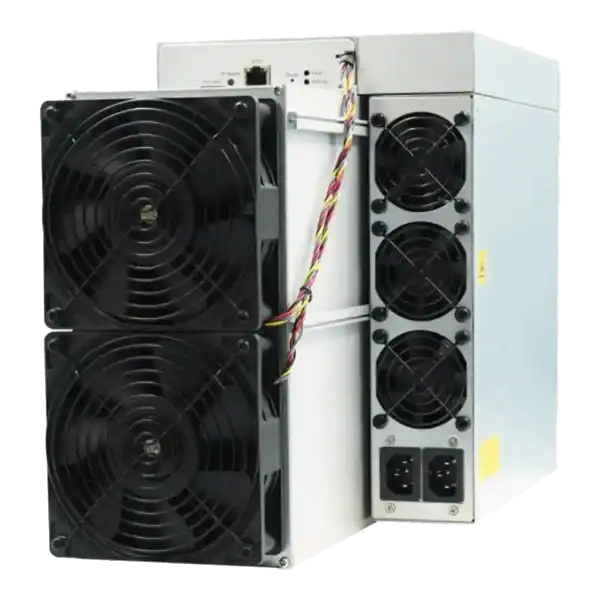
Antminer X9
Monero ASIC Miner

1000KH
HASHRATE
2.47W/KH
EFFICIENCY
2470W
POWER
£1028.30
EST. MONTHLY
5.6
Months
EST. ROI
Understand Overclocking ASIC Miners. Use safe diagnostics, protect warranty cover and make informed repair decisions before choosing equipment.
Understand Overclocking ASIC Miners. Use safe diagnostics, protect warranty cover and make informed repair decisions before choosing equipment.
Overclocking ASIC Miners: Performance, Risk and Warranty uses a measured diagnostic approach. Record the fault, protect the warranty, isolate electrical risks and change one variable at a time before authorising repair work.
Overclocking ASIC miners refers to adjusting the hardware settings of your mining device to increase its hash rate beyond the factory settings.
A mining technician is checking Overclocking ASIC Miners. Calculate your mining profitability after considering electricity expenses. Overclocking ASIC Miners can be done safely if you follow these steps: This means the miner works harder and faster to solve complex mathematical problems, potentially increasing your cryptocurrency rewards.
Overclocking ASIC miners is a practice that has gained attention among cryptocurrency enthusiasts seeking to maximise their mining efficiency. If you are new to mining or an experienced professional, you might wonder if this practice is safe or worth the potential drawbacks. Let’s examine this topic to help you make an informed decision.

Overclocking ASIC miners refers to adjusting the hardware settings of your mining device to increase its hash rate beyond the factory settings. This means the miner works harder and faster to solve complex mathematical problems, potentially increasing your cryptocurrency rewards.
However, there are risks involved, which we’ll discuss in detail.
Overclocking ASIC Miners comes with potential downsides that shouldn’t be ignored. Here’s a breakdown of the most common risks:
One of the biggest concerns with overclocking is the heat it generates. ASIC miners already produce significant heat during operation, and overclocking amplifies this.
To mitigate these issues:
Overclocking ASIC Miners increases their energy usage, leading to higher electricity bills.
While overclocking boosts hash rates, the extra power costs can eat into your profits, especially if you’re mining in regions with expensive electricity.
Most ASIC manufacturers void warranties if their devices are overclocked. This means any damage caused by overclocking will likely not be covered.
Overclocking ASIC Miners can be done safely if you follow these steps:
Download firmware from trusted sources to avoid malware risks. Some miners use third-party firmware specifically designed for safe overclocking.
Keep an eye on temperature, hash rate, and power consumption using monitoring software.
Increase the clock speed in small increments to avoid sudden spikes in heat or energy usage.
Ensure your hardware is clean and free from dust, which can exacerbate overheating.
The decision depends on your specific circumstances:
At The Mining Shop, we offer tools and accessories to enhance your mining setup, ensuring it runs efficiently regardless of your overclocking decision.
A: Overclocking can reduce the lifespan of your miner due to increased heat and wear. However, proper cooling and maintenance can mitigate these effects.
A: Overclocking itself is legal, but altering firmware might void manufacturer warranties or violate terms of service.
A: Yes, most firmware allows you to reset your device to its default state.
A: Yes, you can optimise energy consumption, use updated mining software, or consider upgrading to newer, more efficient hardware.
A: It depends on electricity costs, hardware efficiency, and current mining difficulty.
In conclusion, Overclocking ASIC Miners offers potential rewards but comes with risks that need careful consideration. Before you decide, weigh the benefits against the costs and ensure your mining setup is equipped to handle the extra demands. For more tips and resources, visit The Mining Shop.
Overclocking ASIC miners refers to adjusting the hardware settings of your mining device to increase its hash rate beyond the factory settings.
Overclocking ASIC miners refers to adjusting the hardware settings of your mining device to increase its hash rate beyond the factory settings.
Overclocking ASIC Miners comes with potential downsides that shouldn’t be ignored. Here's a breakdown of the most common risks: One of the biggest concerns with overclocking is the heat it generates.
Overclocking ASIC Miners can be done safely if you follow these steps: Download firmware from trusted sources to avoid malware risks.
Back up configuration and record symptoms before changing firmware, tuning or hardware. Inspect power, network, cooling and pool status before assuming a hashboard has failed.
Use these pages to move from research to a product or operating decision:
Use current official guidance alongside this article because network rules, tax guidance and safety duties can change.
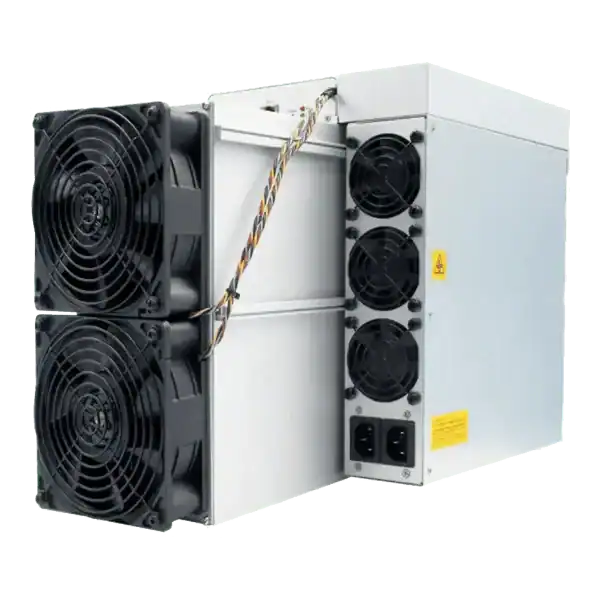

Stock firmware provenance restoration: restore stock firmware provenance before ASIC resale using exact hardware identity, official files, configuration.
Plan a WhatsMiner batch firmware rollout using model cohorts, WhatsMinerTool, pilot gates, configuration evidence, monitoring and a tested rollback route.
ASICBoost compatibility check: Verify explicit model, firmware and pool support for overt ASICBoost before enabling it. Verify the current evidence.
Join the ASIC Mining Discussion
Members can read and join the discussion
Log in to read comments from other miners. Create a free account if you would like to ask a question or share your experience.
Membership helps us protect the discussion from spam and keep answers useful.