Do Data Centres Use a Lot of Water? a UK Measurement Guide
Understand data centre water use, withdrawal versus consumption, cooling towers, closed loops, WUE and why location and measurement boundaries change the answer.
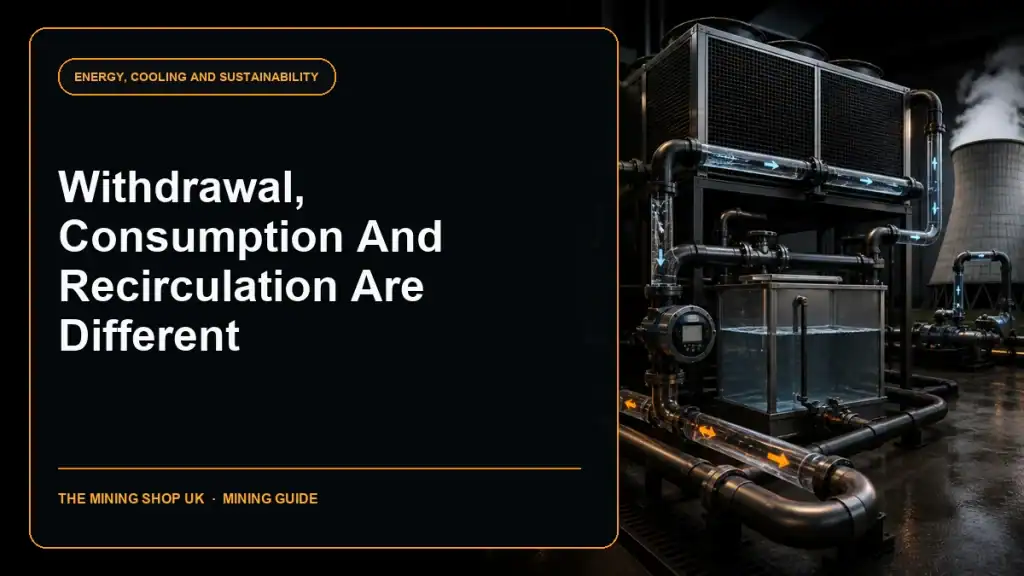
Data centre water use can range from very little on site to substantial consumption, depending on cooling, climate, load and the measurement boundary. A closed internal loop may recirculate the same fluid while an external cooling tower loses water through evaporation.
The answer also changes when electricity-generation water is included. Good reporting separates withdrawal, discharge, consumption and recirculation instead of publishing one unexplained litre figure.
Estimated reading time: 7 minutes
TL;DR
Recirculated coolant is not the same as water consumed by evaporation.
Cooling technology, weather and workload determine when and where water is used.
Report litres and WUE with a clear site, time and energy boundary.
What This Means in Simple English
Data centre water use describes water entering, circulating through or being consumed by a computing facility. Some systems send heat into dry outdoor air. Others evaporate water to reject heat efficiently. The same server can therefore have a different water footprint at two sites.
Simple Example
Two centres each circulate 10,000 litres inside closed pipes. One tops up only after maintenance. The other uses a cooling tower that evaporates water every day. Their circulating volume is equal, but their ongoing consumption is not.
Key Terms in Plain English
Withdrawal:
Water taken from a source.
Consumption:
Water not returned to the same usable local source, often through evaporation.
Closed Loop:
A circuit that recirculates working fluid.
WUE:
Water Usage Effectiveness, commonly site water divided by IT energy.
Heat Rejection:
Moving captured heat to air, water or another useful sink.
What Data Centre Water Use Includes
On-site water may serve cooling towers, humidification, cleaning and welfare. Some reports also estimate water used to generate electricity. Mixing direct and indirect use without labels prevents a fair comparison.
State whether the number covers one building, campus or supplier chain and whether it counts potable, reclaimed and rain water separately.
Withdrawal Is Not Consumption
A site can withdraw water, treat it and discharge much of it. Evaporated water is consumed locally because it does not return through that outlet. Both measures matter where rivers, aquifers or treatment systems are constrained.
Report source and destination as well as volume. A low consumption figure can still accompany a large withdrawal and local impact.
Closed-loop Liquid Cooling
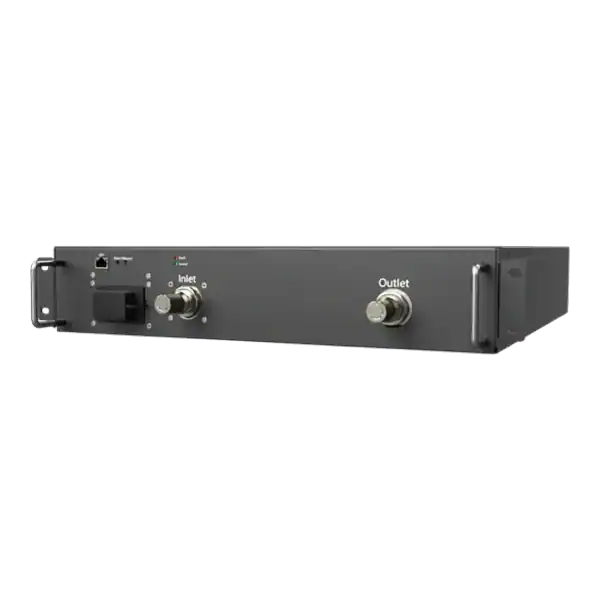
Direct-to-chip, hydro ASIC and immersion systems can circulate fluid repeatedly. Heat crosses a heat exchanger into another loop. Small losses, maintenance and fluid replacement still occur.
Calling the internal loop waterless is misleading. Follow the heat to the final dry cooler, cooling tower, district-heating customer or other sink.
Quick reference for data centre water use decisions.
Cooling Towers and Evaporation
Cooling towers reject heat by evaporating part of their water. They may use less electricity than dry cooling in hot conditions but consume water and require blowdown to control dissolved solids.
Water quality, treatment chemicals, drift, legionella control and discharge rules are operating duties, not minor details.
Dry Cooling and Trade-offs
Dry coolers reject heat to outdoor air without routine evaporative consumption. They can require more fan power or larger equipment and may struggle to maintain low coolant temperatures in hot weather.
Hybrid systems switch methods by conditions. Annual water and energy must therefore be modelled hour by hour rather than from one design point.
How WUE Is Calculated
A common site WUE divides annual water use by IT equipment energy and reports litres per kilowatt-hour. The Green Grid definition requires a stated period and consistent boundary.
WUE can improve when IT energy rises faster than water, even if total litres increase. Always show absolute water alongside the ratio.
Location and Water Stress
One litre does not have the same local impact everywhere. Catchment scarcity, season, competing users, source quality and discharge conditions matter. Annual totals can hide a summer peak during drought.
Use catchment-level evidence and monthly data. Do not market a global average as proof that a specific site has no local concern.
Water Use in Bitcoin and AI Sites
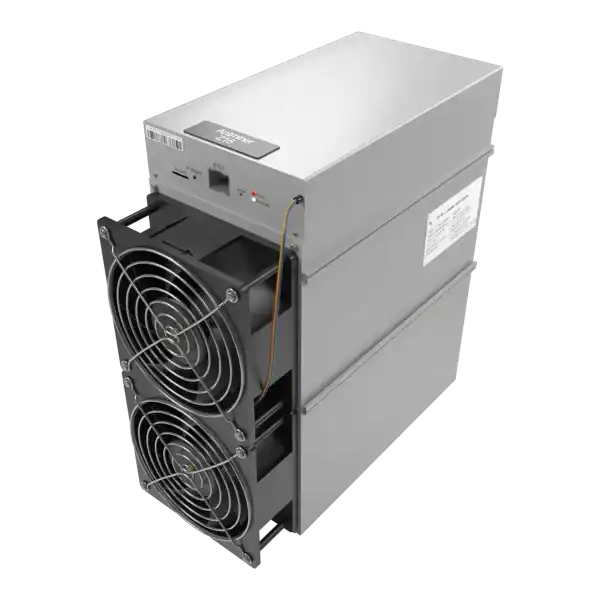
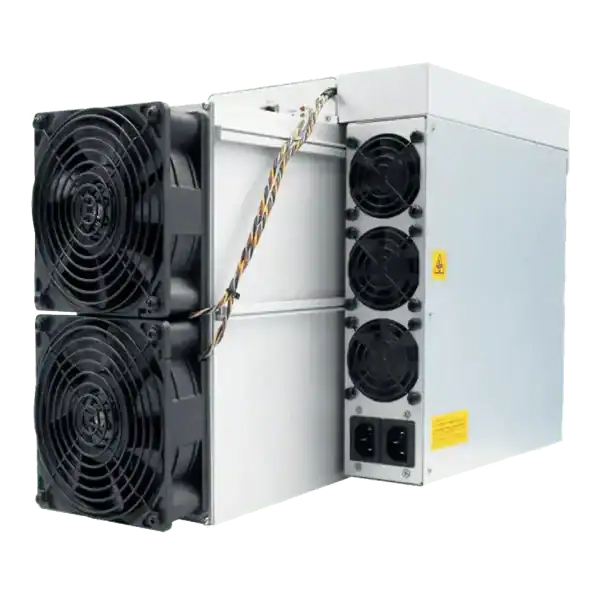
Air-cooled miners may use no process water on site while hydro miners recirculate coolant and rely on dry or evaporative rejection. Dense AI racks face the same final heat-rejection choice.
Workload labels do not determine litres. Cooling architecture, weather and operating hours do.
A Metering Plan
Meter incoming sources, tower make-up, blowdown, major internal loops and discharge where practical. Align water intervals with IT energy, weather and load. Calibrate instruments and explain estimated gaps.
Keep maintenance top-ups separate from routine evaporation. This helps identify leaks and prevents a large one-off refill from being treated as normal consumption.
How to Read a Sustainability Claim
Look for location, year, water source, withdrawal, consumption, absolute litres, WUE, IT energy and whether electricity supply is included. Check whether offsets or replenishment are reported separately from physical use.
A target can be useful, but measured local performance is stronger evidence. Ask what changed operationally and whether the result was independently assured.
Reducing Data Centre Water Use
Reducing data centre water use starts with the measured local cause. A site may raise allowable coolant temperatures, improve cycles of concentration, repair leaks, use reclaimed water, recover heat or choose dry operation during stressed periods. Each change has energy, reliability and water-quality consequences.
Set an absolute monthly target as well as WUE, then compare performance at similar weather and IT load. A project that shifts consumption to an electricity supplier or another catchment should report that boundary honestly. Good reduction work preserves safe cooling and records where the water burden moved.
What the Current Data Can and Cannot Tell You
Water performance is site- and year-specific and should not be inferred from workload alone.
WUE needs absolute litres and an explicit boundary to avoid misleading comparisons.
UK abstraction, discharge and legionella duties depend on the installation and current regulation.
Decision Table
Measure
What It Answers
Withdrawal
How much entered from a source?
Consumption
How much was not returned locally?
Recirculation
How much moved repeatedly inside a loop?
WUE
How does site water compare with IT energy?
Monthly peak
When was local demand highest?
A table is a starting point, not a promise. Verify current official sources and apply each detail to the decision you are actually making.
Frequently Asked Questions
Does Liquid Cooling Always Consume Water?
No. A closed loop can recirculate fluid, but final heat rejection may still use evaporation.
Is Water Withdrawal the Same as Consumption?
No. Some withdrawn water may be discharged back to a local system.
What Is a Good WUE?
There is no universal answer without climate, source, boundary and workload context.
Can a Data Centre Use No Process Water on Site?
Yes, for example with suitable dry cooling, though indirect supply-chain water may remain.
Why Report Absolute Litres with WUE?
A ratio can improve while total water use rises.
Conclusion
Data centres can use a lot of water, very little direct water or something between. The honest answer follows the whole cooling path and reports local timing and source. Separate circulation from consumption, pair ratios with absolute litres and compare sites only when boundaries match.
Darren Waggott is the visionary Founder and CEO of The Mining Shop UK, with over a decade of leadership in the cryptocurrency mining sector. Renowned for driving innovation, Darren has built a company dedicated to providing high-quality ASIC miners and comprehensive hosting services. His forward-thinking approach places The Mining Shop UK at the forefront of the industry.
Membership helps us protect the discussion from spam and keep answers useful.
ASIC MINING SUPPORT
Need Help Choosing an ASIC Miner?
Tell us what you want to mine, your electricity cost and where the machine will run. We can help you compare hardware, power requirements, hosting and repairs.
We use necessary cookies to run the shop and optional analytics cookies to understand how visitors use the site and improve shopping and checkout. You can accept analytics, use only necessary cookies, or choose settings. You can change your choice at any time.
Functional
Always active
The technical storage or access is strictly necessary for the legitimate purpose of enabling the use of a specific service explicitly requested by the subscriber or user, or for the sole purpose of carrying out the transmission of a communication over an electronic communications network.
Preferences
The technical storage or access is necessary for the legitimate purpose of storing preferences that are not requested by the subscriber or user.
Statistics
The technical storage or access that is used exclusively for statistical purposes.The technical storage or access that is used exclusively for anonymous statistical purposes. Without a subpoena, voluntary compliance on the part of your Internet Service Provider, or additional records from a third party, information stored or retrieved for this purpose alone cannot usually be used to identify you.
Marketing
The technical storage or access is required to create user profiles to send advertising, or to track the user on a website or across several websites for similar marketing purposes.







Join the ASIC Mining Discussion
Members can read and join the discussion
Log in to read comments from other miners. Create a free account if you would like to ask a question or share your experience.
Membership helps us protect the discussion from spam and keep answers useful.