

Sealminer A4 Ultra Hydro
Bitcoin & Bitcoin Cash ASIC Miner
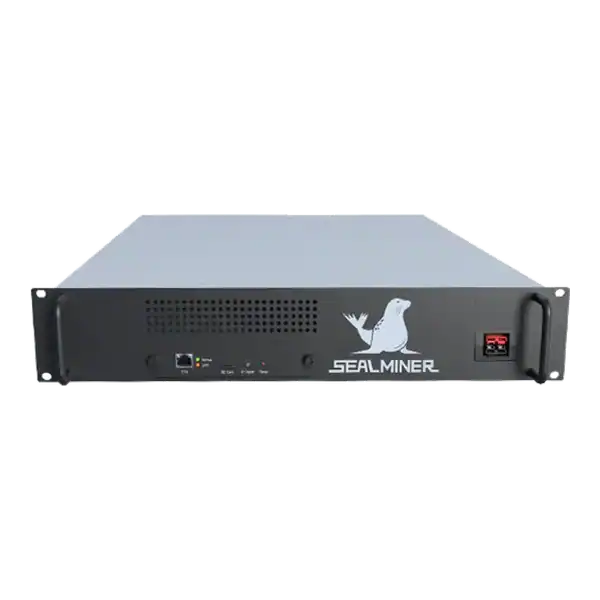

886TH
HASHRATE
9.45W/TH
EFFICIENCY
8373W
POWER
£856.08
EST. MONTHLY
NO PAYBACK
EST. ROI
Use this buying ASIC mining hardware checklist to verify algorithm, efficiency, condition, power, firmware, supplier, warranty, delivery and complete cost.
Buying ASIC mining hardware begins with a technical requirement, not a model name or current revenue screenshot. The buyer must verify the algorithm, rated and measured efficiency, electrical demand, cooling method, condition, firmware, pool compatibility, warranty and landed cost. A suitable machine is one the intended site can operate safely and economically under a cautious case, supplied under terms the business can evidence.
Buying ASIC mining hardware safely requires a chain of evidence from algorithm and site requirement through supplier, contract and acceptance test.
A miner wants to understand buying ASIC mining hardware. When the model, payment route or electrical fit cannot be verified, pause the purchase rather than accepting an uncertainty that can be resolved before payment.
State the intended algorithm, available voltage, continuous current, maximum site heat, cooling method, noise limit, network route and energy price. Include whether the miner will run at home, in a workshop or at a contracted hosting facility.
Set a minimum efficiency and accepted output rather than asking only for the highest hashrate. A machine with lower headline output can have the stronger margin when it uses materially less energy per unit of work.
Define condition: new, used or refurbished. For used stock, require hours or history where available, repair disclosure, cleanliness, corrosion check, hashboard status and a live test. ‘As new’ is not a technical condition.
Set a maximum complete budget covering VAT treatment, payment fee, freight, import cost, installation, cabling, distribution, cooling and commissioning.

An ASIC implements a narrow calculation. Confirm the manufacturer model and algorithm from primary documentation, then confirm the intended network currently accepts that proof of work. A profitable coin name in a listing does not make incompatible hardware suitable.
Check pool or solo software support, protocol, firmware and address format. Where merged mining or bitcoin payout is advertised, identify the pool or marketplace mechanism rather than assuming the ASIC mines every payout coin directly.
Record the release date and network concentration. An algorithm with a small market can expose the buyer to rapid difficulty change, limited pool choice and weak resale demand.
Do not compare one terahash on SHA-256 with one terahash on Scrypt, kHeavyHash or another algorithm. The units share a label but represent different work.
| Item | Evidence | Buyer check |
|---|---|---|
| Model and variant | Label, serial and invoice | Exact hashrate and cooling version |
| Algorithm | Manufacturer documentation | Network and pool fit |
| Power | Rated figure and live meter | Circuit and tariff capacity |
| Efficiency | Watts divided by accepted rate | Measured, not peak local output |
| Voltage and connectors | Nameplate and manual | Competent installation |
| Cooling and noise | Specification and site test | Heat rejection and exposure |
| Firmware | Version and source | Support, security and warranty |
| Included equipment | Written packing list | PSU, cables and accessories |
Manufacturer tolerances and test conditions matter. Ask whether the quoted hashrate and power are nominal, guaranteed within a range or observed from one unit. Use pool accepted work over a fair period for commercial acceptance.
For hydro or immersion equipment, verify fluid, flow, pressure, water quality, heat exchanger and controls. A cooling label is not a complete mechanical design.
Use a dated revenue estimate and enter the buyer’s own delivered energy price. Add pool, cooling, hosting, maintenance, downtime and finance costs. Test lower price, higher difficulty and reduced uptime together.
Separate gross energy break-even from full project payback. Purchase and infrastructure costs remain even if the miner covers today’s electricity.
Estimate service life and resale cautiously. Efficiency can make a working miner commercially obsolete. At the same time, network demand can reduce the number of buyers exactly when the owner wants to sell.
Never borrow or commit fixed energy on the assumption that current daily earnings are guaranteed. Mining returns can change materially before delivery.
Check the supplier’s legal name, company record, physical contact details, domain, authorised payment account and track record. Confirm that the invoice entity matches the entity receiving payment or get a documented explanation.
Read warranty scope, start date, exclusions, repair route, shipping responsibility and remedy. Manufacturer warranty, seller warranty and a paid service plan are separate protections.
Confirm Incoterms or delivery responsibilities, customs, insurance, estimated timeline and title transfer. A low ex-works price can leave substantial freight and import risk with the buyer.
Use a payment method proportionate to the risk. Treat requests to change bank or wallet details as high risk and verify them through a known independent contact.
Stop where the model label, algorithm, voltage, cooling version or firmware cannot be reconciled with the offer. Do not energise damaged connectors or equipment on an unsuitable circuit.
A seller refusing serial or live-test evidence for used equipment transfers avoidable risk to the buyer.
Pause for pressure to pay an unrelated entity, a last-minute account change, guaranteed profits, copied company details or terms that contradict the invoice.
Verify independently before sending funds. Walking away is cheaper than recovering an irreversible payment.
State the intended algorithm, available voltage, continuous current, maximum site heat, cooling method, noise limit, network route and energy price. Include whether the miner will run at home, in a workshop or at a contracted hosting facility.
An ASIC implements a narrow calculation. Confirm the manufacturer model and algorithm from primary documentation, then confirm the intended network currently accepts that proof of work.
Use a dated revenue estimate and enter the buyer's own delivered energy price. Add pool, cooling, hosting, maintenance, downtime and finance costs.
Check the supplier's legal name, company record, physical contact details, domain, authorised payment account and track record. Confirm that the invoice entity matches the entity receiving payment or get a documented explanation.
Stop where the model label, algorithm, voltage, cooling version or firmware cannot be reconciled with the offer. Do not energise damaged connectors or equipment on an unsuitable circuit.
Buying ASIC mining hardware safely requires a chain of evidence from algorithm and site requirement through supplier, contract and acceptance test. Compare measured efficiency and complete cost, not a headline return. When the model, payment route or electrical fit cannot be verified, pause the purchase rather than accepting an uncertainty that can be resolved before payment.
Use The Mining Shop UK product, profitability, safety and policy resources to build a written specification before ordering.
Match the exact algorithm, coin or network route and pool before comparing hashrate. Hashrate on different algorithms is not interchangeable. Confirm model, variant, condition, power, voltage, cooling, noise, firmware and included parts in writing. Treat live profitability as dated context.
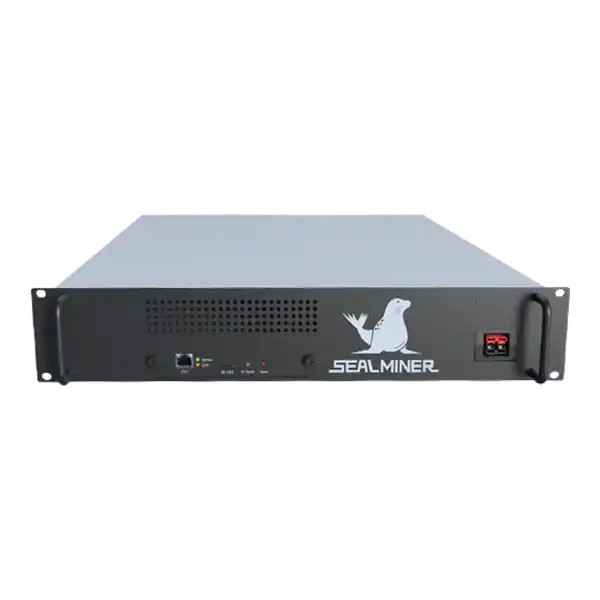

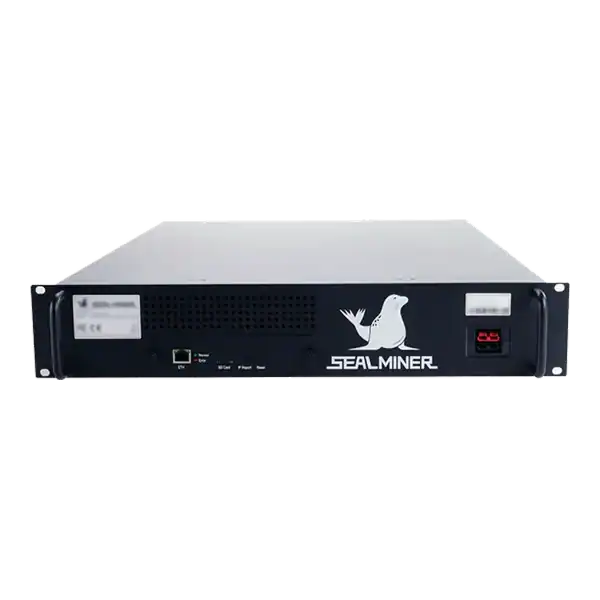
Bitcoin ASIC Compatibility made simple. Compare performance, power, cooling, noise and practical risks before choosing or operating mining hardware.
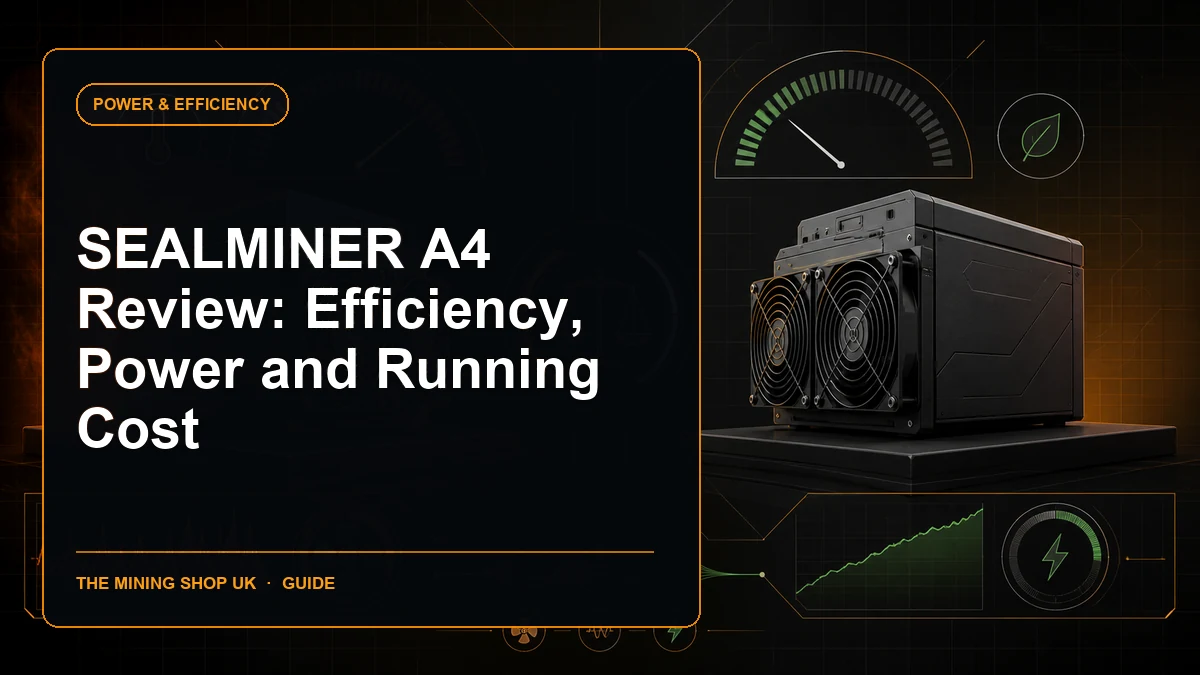
Practical guide to SEALMINER A4 review, covering efficiency and wall power. Compare costs, measured performance and site fit before buying hardware.
Unproven home ASIC launch review: assess an unproven home ASIC launch through manufacturer identity, samples, specifications, certification, firmware, delivery.
Join the ASIC Mining Discussion
Members can read and join the discussion
Log in to read comments from other miners. Create a free account if you would like to ask a question or share your experience.
Membership helps us protect the discussion from spam and keep answers useful.