

Sealminer A4 Ultra Hydro
Bitcoin & Bitcoin Cash ASIC Miner
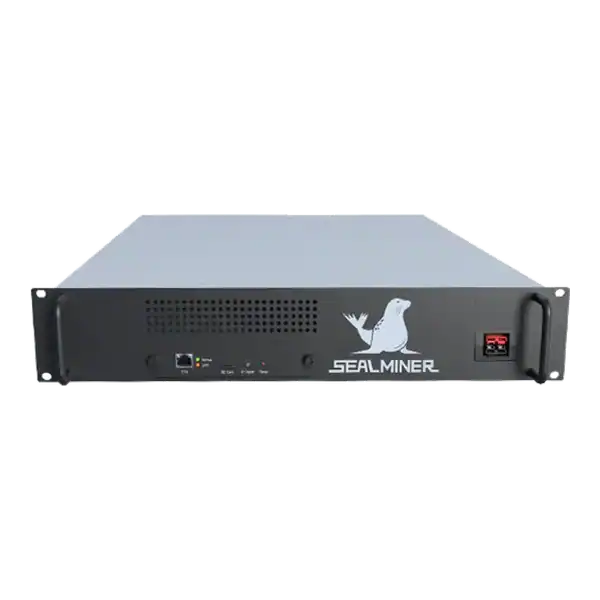

886TH
HASHRATE
9.45W/TH
EFFICIENCY
8373W
POWER
£857.66
EST. MONTHLY
NO PAYBACK
EST. ROI
Understand Compact vs Industrial ASIC Miners. Compare algorithms, power, cooling, warranty and total cost before buying. Make a safer, better-informed decision.
Understand Compact vs Industrial ASIC Miners. Compare algorithms, power, cooling, warranty and total cost before buying. Make a safer, better-informed decision.
Compact vs Industrial ASIC Miners: Which Suits Your Site? Compares the factors that matter after the headline specification: algorithm compatibility, wall power, cooling, condition, warranty and total cost.
Compact vs Industrial ASIC Miners: ASIC miners, or Application-Specific Integrated Circuit miners, are machines built specifically for mining cryptocurrencies. Unlike general-purpose devices like GPUs, these miners focus on efficiency and performance, solving complex algorithms faster and consuming less energy.
A miner is checking Compact vs Industrial ASIC Miners. When deciding between compact or industrial ASIC miners, you need to consider factors such as space, budget, and mining goals.
Compact or industrial ASIC miners are essential tools in the world of cryptocurrency mining, each catering to specific needs. Understanding their features, benefits, and differences will help you choose the right one for your mining setup.

ASIC miners, or Application-Specific Integrated Circuit miners, are machines built specifically for mining cryptocurrencies. Unlike general-purpose devices like GPUs, these miners focus on efficiency and performance, solving complex algorithms faster and consuming less energy.
When deciding between compact or industrial ASIC miners, you need to consider factors such as space, budget, and mining goals. Each type has its advantages and challenges.
Compact ASIC miners are lightweight and designed for beginners or hobbyists. Here are their primary features:
Industrial ASIC miners are built for professional mining operations. They are designed to handle high workloads and maximise profitability.
| Feature | Compact ASIC Miners | Industrial ASIC Miners |
|---|---|---|
| Size and Portability | Small, easy to move | Large and stationary |
| Power Consumption | Low | High |
| Noise and Heat | Minimal | Significant |
| Setup Complexity | Plug-and-play setup | Requires professional installation |
| Cost | Affordable for entry-level miners | Expensive |
| Profitability | Moderate | High |
Deciding between compact or industrial miners depends on your needs:

Compact vs Industrial ASIC Miners: ASIC miners, or Application-Specific Integrated Circuit miners, are machines built specifically for mining cryptocurrencies.
ASIC miners, or Application-Specific Integrated Circuit miners, are machines built specifically for mining cryptocurrencies.
Check the exact equipment, current documentation, measured results and the main cost or safety risk before making a decision.
ASIC Miner Buying Guides readers should compare the article's facts with their own equipment, location and current operating conditions.
Start with the coin and algorithm, then compare real wall power and efficiency rather than hashrate alone. Check voltage, current, plugs, cooling and noise against the installation that will actually run the miner.
Use these pages to move from research to a product or operating decision:
Use current official guidance alongside this article because network rules, tax guidance and safety duties can change.
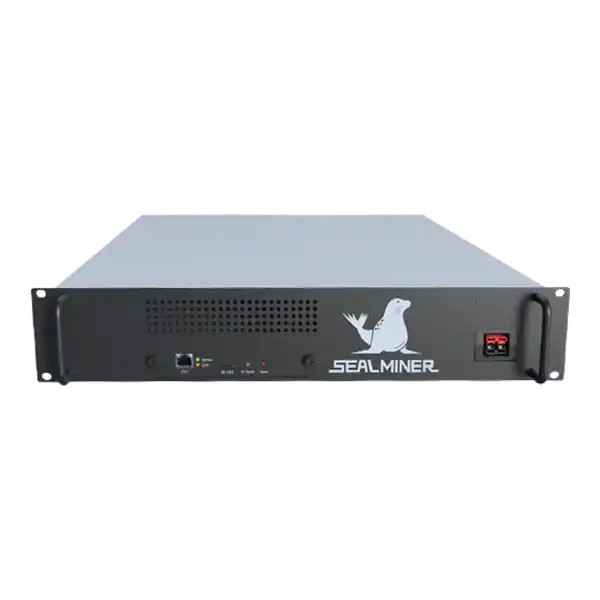

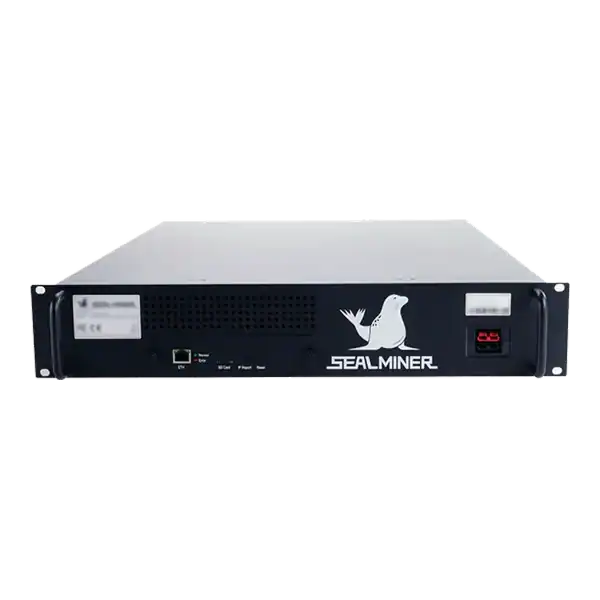
Bitcoin ASIC Compatibility made simple. Compare performance, power, cooling, noise and practical risks before choosing or operating mining hardware.
Practical guide to SEALMINER A4 review, covering efficiency and wall power. Compare costs, measured performance and site fit before buying hardware.
Unproven home ASIC launch review: assess an unproven home ASIC launch through manufacturer identity, samples, specifications, certification, firmware, delivery.
Join the ASIC Mining Discussion
Members can read and join the discussion
Log in to read comments from other miners. Create a free account if you would like to ask a question or share your experience.
Membership helps us protect the discussion from spam and keep answers useful.