
Pre-order
Overall ranking

Equihash
·
ZEC
Overall rank#1of 100AvailableAll: #3 / 831
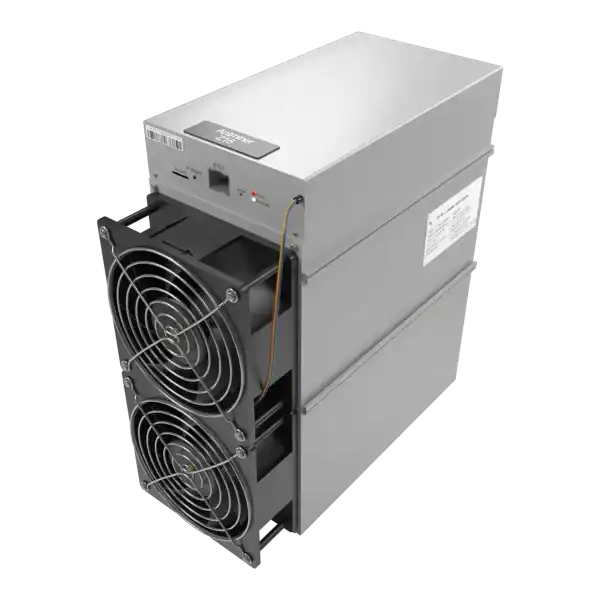

Pre-OrderFree Shipping
Hashrate
525KSOL
Efficiency
4.73W/KSOL
Power
2483W
Earns/kWh
42.3p
Buy ASIC miners in Europe made simple. Compare performance, power, cooling, noise and practical risks before choosing or operating mining hardware.
To buy ASIC miners in Europe safely, identify the legal seller and where the goods are physically located, then calculate destination VAT, customs, brokerage, delivery, electrical adaptation and warranty. Equipment already in free circulation in the EU is different from a parcel shipped from China through a European-looking website.
A CE mark alone is not an approval certificate. The importer or distributor must be able to supply the applicable conformity and traceability evidence and refuse unsafe equipment.
To buy ASIC miners in Europe well, verify more than price and hashrate. Establish the legal seller and stock location, calculate VAT and customs under the named Incoterm, confirm EORI and importer roles, inspect serial-specific condition and demand model-specific safety and conformity evidence.
A miner is checking buy ASIC miners in Europe. Use The Mining Shop UK's verification, payment, delivery, warranty and electrical guidance as a supplier checklist, then compare the complete landed and operating cost before ordering.
Record the legal company name, registration, VAT number, trading address, contact, bank beneficiary and domain history. Verify the details through the relevant national registers and EU VAT validation service rather than a badge on the seller’s page.
Ask for a dated stock list, model, hashrate, condition, serial or batch evidence and photographs. Determine whether the seller owns the equipment, acts as a broker or will arrange a direct manufacturer shipment.
A website using an EU language or domain does not prove that goods are in the EU, cleared through customs or supported by an EU legal entity.

The quote should state currency, VAT treatment, delivery, insurance, brokerage, customs value, tariff classification, duty, handling and payment fees. Compare the same destination and Incoterm across suppliers.
EU guidance states that goods bought online from outside the EU are subject to VAT and customs formalities. Import VAT is based on customs value plus relevant duty, taxes and incidental expenses to the first destination when not already included.
| Item | Evidence | Common surprise |
|---|---|---|
| Goods | Model, condition, quantity and currency | Different batch or used stock |
| Tax | Destination VAT and invoice treatment | VAT charged twice or due at import |
| Customs | CN code, origin, duty and importer | Customer becomes unexpected importer |
| Delivery | Incoterm, freight, insurance and broker | DAP quote excludes local charges |
| Setup | Plug, circuit, cooling and network | Electrical conversion not included |
| Support | Warranty location and shipping | Return to Asia at buyer’s cost |
For a business import, confirm who lodges the customs declaration and whose EORI appears. The European Commission states that an EORI is mandatory for economic operators carrying out EU import, export or transit customs operations.
Check the Combined Nomenclature classification, country of origin and customs value with a competent customs adviser. The product description used by a seller does not bind customs authorities.
For an intra-EU business supply, validate VAT numbers and evidence the movement and customer status needed for the intended treatment. Do not assume every invoice without local VAT is correct.
Incoterms allocate specified delivery tasks, cost and risk between buyer and seller. They do not automatically decide title, payment, warranty or VAT. State the named place and the current Incoterms edition in the contract.
DDP usually places more import responsibility on the seller. At the same time, DAP can leave import clearance and tax with the buyer. Verify whether the seller can lawfully act as importer in the destination country rather than accepting a label without infrastructure.
Require tracked, insured transport, packaging standards, delivery inspection and a process for concealed damage. Photograph the pallet and miner before signing without reservation.
EU importers must place only compliant equipment on the market. For electrical equipment this includes verifying conformity assessment, technical documentation, CE marking, required documents, manufacturer identity, importer contact and instructions in a language understood in the destination.
The CE mark is a manufacturer conformity statement, not evidence that an EU authority has individually approved the miner. Ask for the Declaration of Conformity identifying the exact model and applicable legislation, not a generic laboratory page for another product.
The EU Market Surveillance Regulation requires a responsible economic operator in the Union for covered products and supports market-surveillance, traceability and corrective action. Check product recalls and the Safety Gate.
Confirm the manufacturer’s voltage, frequency, maximum current, PSU and connector. A European plug in the box does not prove that a domestic socket can support a multi-kilowatt miner continuously.
Have a competent person design the circuit, protection, isolation, PDU, phase balance and earthing. Plan heat rejection, noise, fire and network before delivery. Local electrical and building rules vary by country.
Do not accept a modified power supply or uncertified adaptor without complete evidence. A change can transfer manufacturer responsibilities to the modifier or importer.
For used or refurbished stock, get hours where available, logs, hashboard and chip detection, fan and PSU condition, accepted pool hashrate, temperatures, repair history and test duration. Define whether replacement parts are new, refurbished or equivalent.
A short video of a dashboard can be reused. Ask for serial-specific evidence and an agreed acceptance test. Record acceptable manufacturer tolerance, dead-on-arrival process and who pays return freight.
Use an escrow or protected business payment only when its terms genuinely cover the transaction. A crypto transfer to an unknown address is not supplier due diligence.
Identify whether warranty is from manufacturer, EU importer or seller, where repairs occur, start date, exclusions, turnaround and shipping responsibility. Manufacturer warranty may not transfer with used equipment.
Business-to-business rights and agreed terms can differ from consumer rights. Read the governing law, jurisdiction, inspection period, remedy and limitation clauses before payment.
Electrical equipment can create WEEE registration, take-back and reporting duties for a producer or importer placing it on a national market. Confirm the role country by country rather than assuming one registration covers the EU.
A European supplier can reduce delivery time and simplify support when the legal entity, stock, VAT, conformity, warranty and landed price are evidenced.
Pay a premium only for services and risk reduction that the contract actually delivers.
Pause when the seller hides the warehouse, cannot provide a matching Declaration of Conformity, changes bank beneficiary, demands urgency or cannot explain who imports and pays VAT.
A low price is not a saving if customs, unsafe power or overseas warranty remains with the buyer.
To buy ASIC miners in Europe well, verify more than price and hashrate. Establish the legal seller and stock location, calculate VAT and customs under the named Incoterm, confirm EORI and importer roles, inspect serial-specific condition and demand model-specific safety and conformity evidence.
Record the legal company name, registration, VAT number, trading address, contact, bank beneficiary and domain history.
The quote should state currency, VAT treatment, delivery, insurance, brokerage, customs value, tariff classification, duty, handling and payment fees.
For a business import, confirm who lodges the customs declaration and whose EORI appears.
To buy ASIC miners in Europe well, verify more than price and hashrate. Establish the legal seller and stock location, calculate VAT and customs under the named Incoterm, confirm EORI and importer roles, inspect serial-specific condition and demand model-specific safety and conformity evidence. A good European supplier reduces documented risk. A European-looking storefront with direct Asian shipment may not.
Use The Mining Shop UK’s verification, payment, delivery, warranty and electrical guidance as a supplier checklist, then compare the complete landed and operating cost before ordering.
Verify the legal entity, VAT and EORI details, warehouse country, stock ownership, serials, condition, Incoterm, importer of record and full landed price before payment. For non-EU imports, VAT, customs declarations and potentially duty apply. A business carrying out EU customs operations generally needs an EORI number.
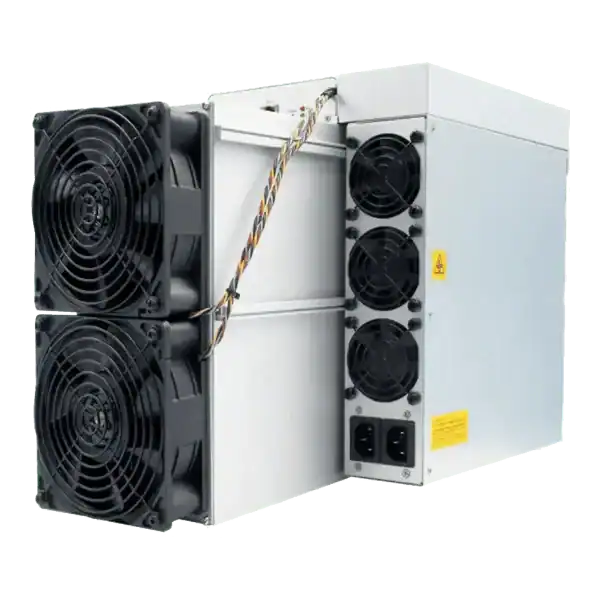
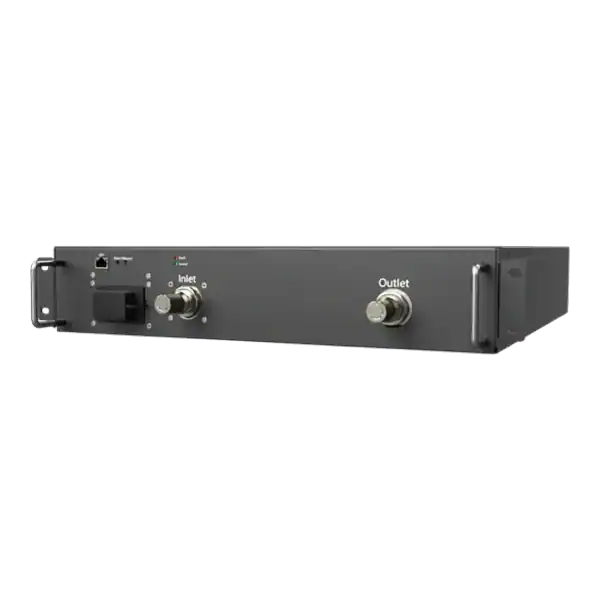
Bitcoin ASIC Compatibility made simple. Compare performance, power, cooling, noise and practical risks before choosing or operating mining hardware.
Practical guide to SEALMINER A4 review, covering efficiency and wall power. Compare costs, measured performance and site fit before buying hardware.
Unproven home ASIC launch review: assess an unproven home ASIC launch through manufacturer identity, samples, specifications, certification, firmware, delivery.

Join the ASIC Mining Discussion
Members can read and join the discussion
Log in to read comments from other miners. Create a free account if you would like to ask a question or share your experience.
Membership helps us protect the discussion from spam and keep answers useful.