

Sealminer A4 Ultra Hydro
Bitcoin & Bitcoin Cash ASIC Miner
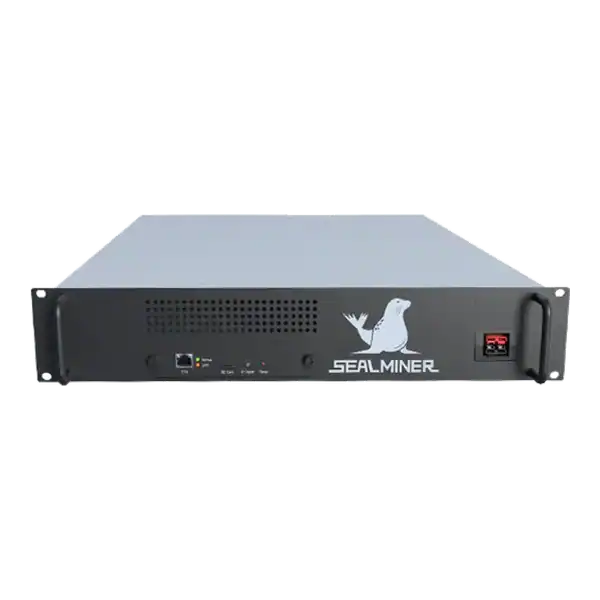

886TH
HASHRATE
9.45W/TH
EFFICIENCY
8373W
POWER
£856.08
EST. MONTHLY
NO PAYBACK
EST. ROI
Buy an ASIC miner with Bitcoin: Confirm the legal seller, invoice value, supported asset, blockchain network, address, expiry, confirmation policy and refund.
To buy an ASIC miner with Bitcoin or a supported stablecoin, first get a written order in pounds sterling, the exact asset and network, a time-limited crypto amount and a seller-controlled address.
Verify every detail through a separate trusted route, send a small test only where the seller permits it, and retain the transaction ID, sterling valuation and invoice. Paying for hardware with a cryptoasset is a commercial payment. It does not make the miner itself an investment product or guarantee that the payment can be reversed.
To buy an ASIC miner with Bitcoin or stablecoins safely, treat the transfer as a controlled commercial payment.
A miner is checking buy an ASIC miner with Bitcoin. Verify the legal seller, exact order, asset, network, address, expiry and confirmations. Preserve the sterling valuation and complete audit trail.
A seller can agree to receive a cryptoasset as payment for physical mining equipment. That is different from operating an exchange, arranging crypto purchases, providing custody or inviting a customer to invest in a token. The regulatory perimeter depends on the actual service, not the payment button’s label.
The FCA states that businesses providing certain cryptoasset exchange or custodian services by way of business in the UK require registration under the Money Laundering Regulations. A hardware merchant should not imply that accepting payment authorises it to exchange, safeguard or advise on cryptoassets.
The UK financial promotions regime can apply when a business invites or induces UK consumers to engage in qualifying cryptoasset activity. Product information should describe payment mechanics and hardware risk without promoting a token, exchange or return.

The order should identify the legal seller, customer, exact miner, quantity, condition, warranty, delivery route, VAT treatment and total price in pounds sterling. The crypto quote should then name the asset, exact network, amount, destination address, expiry and required confirmations.
A quote must explain what happens if a payment arrives late, short, overpaid, duplicated or after the order expires. Network fees are normally extra to the invoiced amount and must not be deducted unless the seller’s instructions expressly say otherwise.
| Field | Required evidence | Risk if missing |
|---|---|---|
| Order | Legal seller, invoice and GBP total | Wrong counterparty or disputed value |
| Asset | BTC, ETH or named stablecoin | Different asset cannot be credited |
| Network | Bitcoin, Ethereum, Tron or other exact chain | Funds sent on unsupported network |
| Destination | Seller-controlled address verified separately | Clipboard malware or impersonation |
| Timing | Expiry and confirmation rule | Volatility or late-payment dispute |
| Refund | Asset, GBP basis, fees and address checks | Unexpected loss or compliance delay |
Treat an emailed or pasted address as untrusted until it matches the authenticated checkout or a separately confirmed seller route. Clipboard malware can replace an address after it is copied. Compare the beginning, middle and end rather than only the first few characters.
Stablecoin names are not enough. USDT on Ethereum, USDT on Tron and bridged versions use different networks and fee assets. Send only the exact token contract and network stated by the seller. Do not guess that an address format proves compatibility.
Where the seller supports it, a small test can confirm routing. But it may create two payments, extra fees and a second compliance review. Get permission and confirm that the remaining balance will still be accepted before splitting an invoice.
Bitcoin and non-pegged assets can move materially while a customer prepares a transfer. A time-limited quote fixes the required units only for the stated period. If it expires, request a new quote rather than estimating the difference.
A stablecoin aims to track a reference currency but still has issuer, reserve, redemption, contract, exchange and network risk. It is not the same as pounds in a protected bank account, and its market value can depart from the peg.
The seller should state when payment is treated as received. A broadcast transaction is not the same as an adequately confirmed one. Replace-by-fee, congestion, chain reorganisation or an incorrectly low fee can delay final acceptance.
HMRC says the taxpayer must keep records of each cryptoasset transaction, including the type, date, units, sterling value, cumulative holding information, bank records and wallet addresses. Retain the invoice, quote, transaction ID, explorer evidence, exchange-rate source and the accounting entry.
Using cryptoassets to buy equipment is normally a disposal of those units for UK tax analysis. A company or individual may need to calculate a gain or loss by comparing the disposal value with the relevant allowable cost rules. Get accounting advice for the actual owner and activity.
The equipment invoice and any VAT recovery are separate questions from the cryptoasset disposal. A crypto payment does not remove normal invoice, import, VAT, capital-allowance or business-purpose evidence.
A merchant may request identity, business, source-of-funds, wallet or transaction information where its risk assessment requires it. Cryptoasset transfers can be public. But an address alone does not identify the lawful owner or economic purpose.
UK sanctions apply regardless of payment technology. A seller must not knowingly make funds or economic resources available to a designated person and may need to freeze or report an asset. A compliance review can therefore delay acceptance or refund.
Do not send funds through a mixer or obfuscation service to make a commercial payment harder to trace. That can increase risk, delay the order and prevent the seller from accepting it.
Blockchain transfers are not card chargebacks. A seller must send a new transaction for any agreed refund. Confirm whether the refund is based on the original crypto units, the sterling order value or the value at cancellation, and who pays network fees.
A refund address should be verified and screened like the original payment. Do not ask a seller to send money to a different person’s wallet without an evidenced legal reason. Stablecoin issuers or service providers can freeze or reject transactions in some circumstances.
Sending the wrong asset, wrong network or wrong address may be unrecoverable. Contact the receiving service immediately with the transaction ID. But do not pay a supposed recovery agent who contacts you without verification.
It can make sense when the customer already holds the supported asset, understands the disposal and network fees, and the seller provides a complete authenticated quote and accounting evidence.
A treasury policy should define who authorises the payment, verifies the address and records the transaction.
Use bank or card payment when the network is uncertain, the quote has expired, the source of funds cannot be evidenced or the customer expects a reversible chargeback process.
Do not acquire a volatile token solely to pay an invoice without comparing exchange, spread, network, tax and compliance costs.
To buy an ASIC miner with Bitcoin or stablecoins safely, treat the transfer as a controlled commercial payment.
A seller can agree to receive a cryptoasset as payment for physical mining equipment.
The order should identify the legal seller, customer, exact miner, quantity, condition, warranty, delivery route, VAT treatment and total price in pounds sterling.
Treat an emailed or pasted address as untrusted until it matches the authenticated checkout or a separately confirmed seller route.
To buy an ASIC miner with Bitcoin or stablecoins safely, treat the transfer as a controlled commercial payment. Verify the legal seller, exact order, asset, network, address, expiry and confirmations. Preserve the sterling valuation and complete audit trail. And understand that a refund is a separate transaction.
Crypto payment can be efficient for an established treasury. But it does not remove tax, sanctions, invoice or hardware due diligence.
Read The Mining Shop UK’s Payments Policy, verification statement, tax guidance and product terms before requesting a crypto quote, then contact the team through the verified website if any address, network or expiry is unclear.
Confirm the legal seller, invoice value, supported asset, blockchain network, address, expiry, confirmation policy and refund terms before sending anything. Bitcoin, USDT on Ethereum and USDT on Tron are different payment routes. A token sent on an unsupported network can be permanently lost even when the address looks valid.
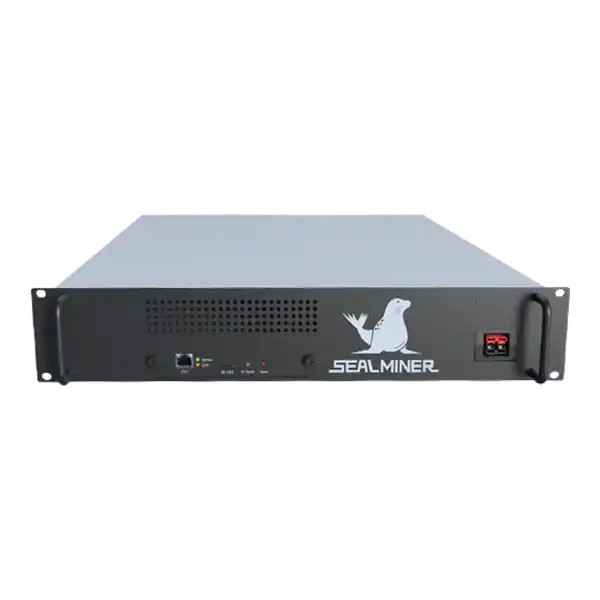

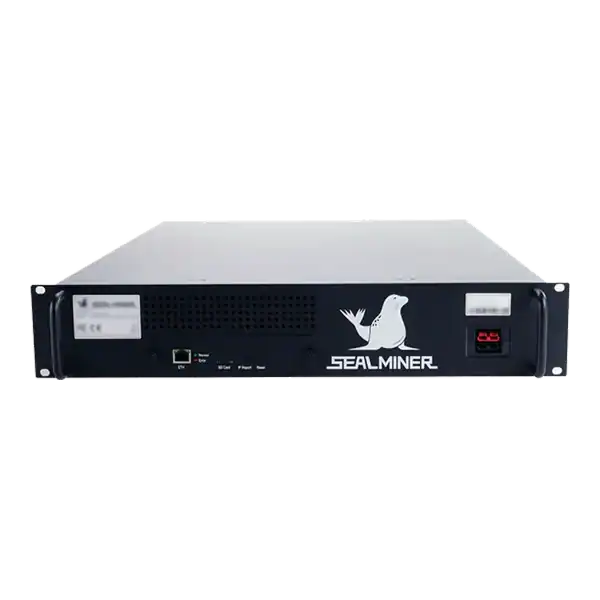
Bitcoin ASIC Compatibility made simple. Compare performance, power, cooling, noise and practical risks before choosing or operating mining hardware.
Practical guide to SEALMINER A4 review, covering efficiency and wall power. Compare costs, measured performance and site fit before buying hardware.

Unproven home ASIC launch review: assess an unproven home ASIC launch through manufacturer identity, samples, specifications, certification, firmware, delivery.
Join the ASIC Mining Discussion
Members can read and join the discussion
Log in to read comments from other miners. Create a free account if you would like to ask a question or share your experience.
Membership helps us protect the discussion from spam and keep answers useful.