

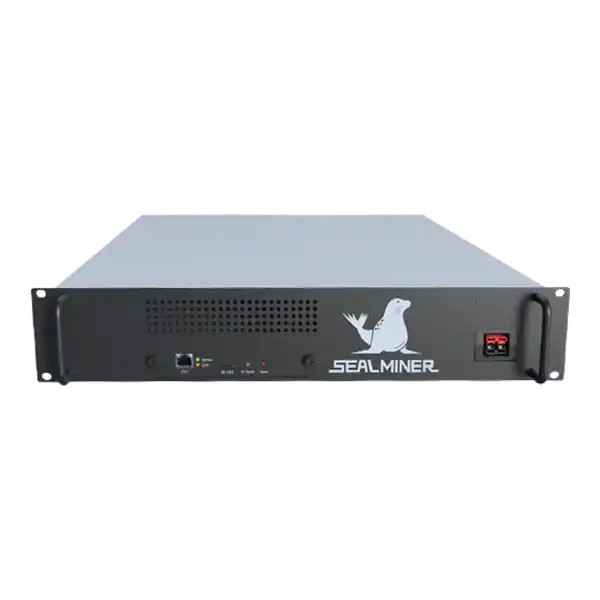
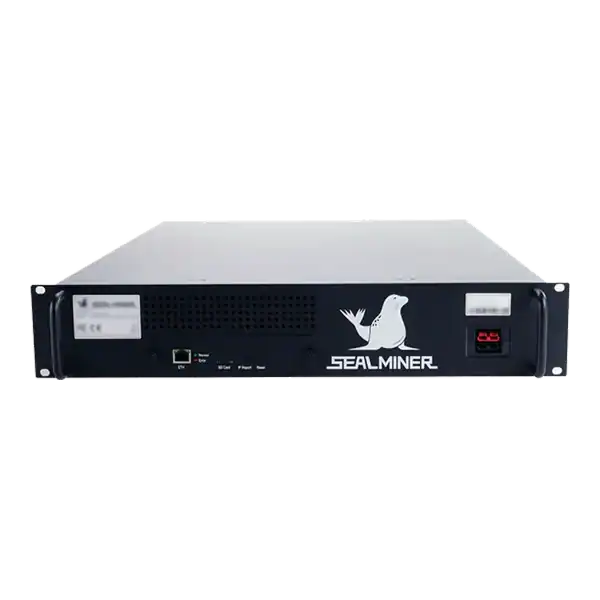
Sealminer A4 Ultra Hydro
Bitcoin & Bitcoin Cash ASIC Miner
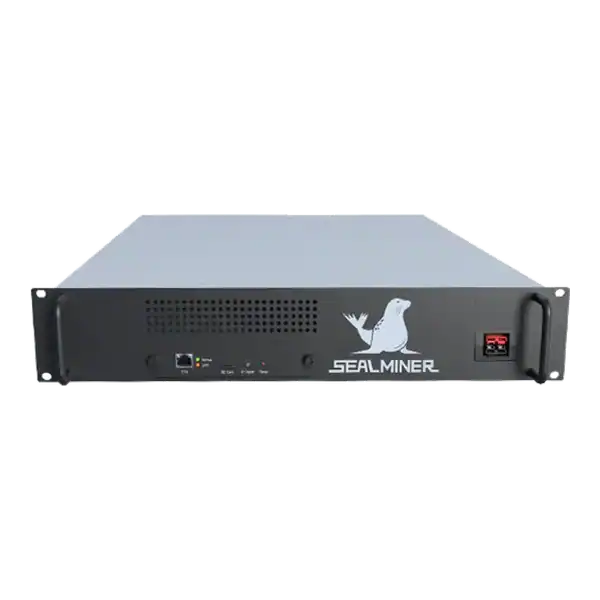

886TH
HASHRATE
9.45W/TH
EFFICIENCY
8373W
POWER
£856.08
EST. MONTHLY
NO PAYBACK
EST. ROI
Model Bitcoin mining economics with accepted hashrate, hashprice, electricity, downtime, capital cost, tax, repairs, resale value and downside scenarios.
Bitcoin mining economics connects a volatile bitcoin revenue stream with largely unavoidable energy, infrastructure and capital costs. A credible model begins with pool accepted hashrate and metered power, then adds reward method, fees, uptime, cooling, repairs, tax treatment, hardware cost and exit value. It shows a range of outcomes and a shutdown rule. It does not turn a current calculator result into a guaranteed return.
Bitcoin mining economics is best treated as a living operating model. Use accepted hashrate, measured energy and complete costs, then separate cash operation from capital recovery and tax accounting.
A miner wants to understand Bitcoin mining economics. A pool calculator is a useful cross-check, not independent evidence if it uses the same source as the first model.
Mining revenue depends on the operator’s share of rewarded network work. A practical short-form input is expected bitcoin or currency revenue per unit of hashrate over a stated period, sometimes called hashprice. It moves with block subsidy, transaction fees, network difficulty or hashrate, coin price and pool method.
Use pool accepted hashrate rather than a model’s peak specification. If an ASIC displays 200TH/s locally but the pool records 193TH/s over the same week, 193TH/s is the stronger commercial input until the gap is explained.
Date the exchange price and network data. Convert bitcoin revenue into the same currency as the costs. But retain the original bitcoin figure so price movement can be separated from production performance.
A pool calculator is a useful cross-check, not independent evidence if it uses the same source as the first model. Compare its method, reward assumptions and fees.

Daily miner energy is measured kilowatts multiplied by operating hours. A 3.4kW ASIC running for 24 hours uses 81.6kWh before separate cooling or distribution losses. Multiply by the delivered tariff for the same period.
The delivered rate can include commodity energy, network charges, taxes, standing charges, capacity, metering and contract costs. Some are fixed. Some vary with use or time. A headline wholesale price is not the amount paid by the operating company.
Add cooling, ventilation, pumps, pool fees, hosting, network, monitoring, insurance, maintenance labour and expected parts. Allocate shared costs on a documented basis rather than hiding them outside the miner model.
Separate avoidable and fixed costs for curtailment decisions. A hosting invoice or energy commitment may continue after a machine stops. This changes the short-term cash choice.
| Measure | Question | Typical inputs |
|---|---|---|
| Energy break-even | What energy rate equals gross mining revenue? | Revenue and miner kWh |
| Cash operating break-even | Does operation cover avoidable cash cost? | Energy, fees, cooling, hosting and repairs |
| Full economic break-even | Does the project recover capital and complete cost? | Operating costs, hardware, infrastructure and exit value |
These measures answer different questions. An ASIC can be above gross energy break-even but still fail to recover its purchase price and infrastructure. It can also be below full economic break-even while remaining rational to run for a short period because the hardware cost is already sunk and the machine covers avoidable cash cost.
Accounting profit and taxable profit are separate again. Capital allowances, VAT recovery and expense deductibility depend on facts and current UK rules. Get professional advice and do not put an assumed tax saving into the base case until eligibility is confirmed.
State the decision rule beside each measure. Otherwise teams can select whichever break-even figure supports the conclusion they already prefer.
Assume an ASIC averages 190TH/s accepted, draws 3.4kW at the wall and produces £4.90 gross daily revenue in a dated scenario. It consumes 81.6kWh per day. At £0.05/kWh, miner energy is £4.08, leaving £0.82 before every other cost.
If pool fees, cooling, maintenance reserve and monitoring total £0.55 per day, the provisional operating contribution is £0.27. A one-day outage in a 30-day month reduces revenue without reducing every fixed cost. A PSU replacement can remove several months of that thin contribution.
The gross energy break-even is roughly £4.90 divided by 81.6kWh, or £0.060/kWh. Calling that the profitable electricity price would be misleading because complete operating and capital costs are missing.
Repeat the example with lower price, higher difficulty, 95 per cent uptime and reduced resale value. If viability depends on every favourable input occurring together, the project has no practical margin of safety.
Hardware cost includes purchase price, VAT treatment, freight, duty where applicable, payment fees, installation, distribution, cooling changes and commissioning. Use the actual contracted terms and avoid double-counting recoverable VAT.
There is no guaranteed useful life. Efficiency can become uneconomic before the miner physically fails. At the same time, good maintenance and low-cost energy can extend commercial use. Model a range of service periods and repair events.
Resale value is uncertain and correlated with mining conditions. When revenue falls across the market, many operators may try to sell similar machines. Use a cautious residual value and include removal, testing, marketplace and freight costs.
Compare upgrade options through incremental cash flow. The relevant benefit is avoided operating cost and extra accepted revenue after infrastructure changes, not merely the new machine’s hashrate.
The miner covers complete operating cost in a cautious scenario, the business can fund adverse months and the site has safe power, cooling, support and a documented exit route.
Optional curtailment, verified heat use or a lower-power profile can improve resilience, but include their real costs and operational limits.
The model excludes downtime and repairs, assumes a price rise, uses nameplate rather than accepted performance or relies on a resale value that cannot be evidenced.
Do not proceed where electrical capacity, ownership, contract, tax treatment or access to funds is unresolved.
Bitcoin mining economics is best treated as a living operating model. Use accepted hashrate, measured energy and complete costs, then separate cash operation from capital recovery and tax accounting.
Mining revenue depends on the operator's share of rewarded network work. A practical short-form input is expected bitcoin or currency revenue per unit of hashrate over a stated period, sometimes called hashprice.
Daily miner energy is measured kilowatts multiplied by operating hours. A 3.4kW ASIC running for 24 hours uses 81.6kWh before separate cooling or distribution losses.
These measures answer different questions. An ASIC can be above gross energy break-even but still fail to recover its purchase price and infrastructure.
Bitcoin mining economics is best treated as a living operating model. Use accepted hashrate, measured energy and complete costs, then separate cash operation from capital recovery and tax accounting. A robust purchase survives credible downside cases and has a written curtailment, repair and exit route. A calculator snapshot alone does not meet that standard.
Enter your own tariff and hardware assumptions in The Mining Shop UK profitability tools, then review any material business case with appropriate technical and tax advisers.
Estimate revenue from accepted work and dated network inputs, not manufacturer hashrate or a single live snapshot. Calculate the complete delivered cost of energy and operation, including cooling, fees, downtime, repairs and continuing fixed commitments.


Build a five-year ASIC replacement calendar from efficiency gap, tariff, failure rate, parts, firmware, resale, network scenarios and capital gates.

Build ASIC profit forecast ranges using base, downside and severe cases for accepted hashrate, energy, uptime, difficulty, reward, fees, price and repairs.
Compare European ASIC mining energy costs using the correct tariff band, taxes, grid connection, curtailment, cooling, contracts and location risks.
Join the ASIC Mining Discussion
Members can read and join the discussion
Log in to read comments from other miners. Create a free account if you would like to ask a question or share your experience.
Membership helps us protect the discussion from spam and keep answers useful.