

Sealminer A4 Ultra Hydro
Bitcoin & Bitcoin Cash ASIC Miner
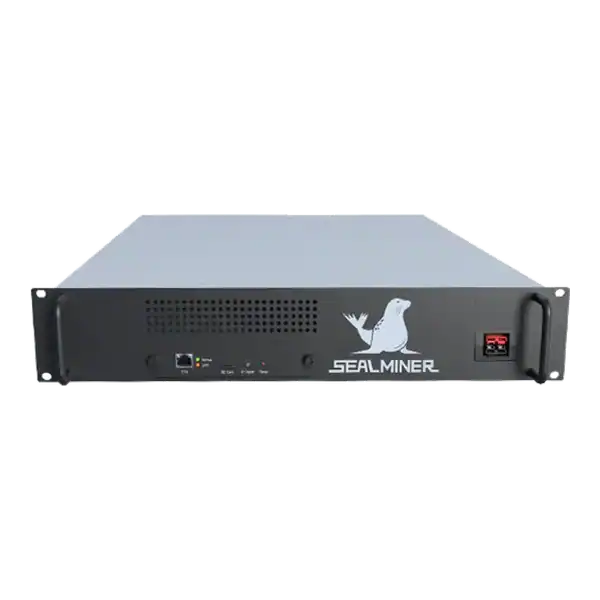

886TH
HASHRATE
9.45W/TH
EFFICIENCY
8373W
POWER
£884.60
EST. MONTHLY
NO PAYBACK
EST. ROI
Signs an ASIC miner needs repair: 10 Signs an ASIC Miner Needs Repair or Replacement uses a measured diagnostic approach.
Signs an ASIC miner needs repair: 10 Signs an ASIC Miner Needs Repair or Replacement uses a measured diagnostic approach.
10 Signs an ASIC Miner Needs Repair or Replacement uses a measured diagnostic approach. Record the fault, protect the warranty, isolate electrical risks and change one variable at a time before authorising repair work.
Signs an ASIC miner needs repair: Learn more about repairs and upgrades at theminingshop.co.uk . Regular maintenance helps prolong your miner’s lifespan.
A mining technician is checking signs an ASIC miner needs repair. If any of the above signs sound familiar, consider contacting professionals like The Mining Shop to assess whether a repair or upgrade is the best solution.
When it comes to mining cryptocurrency, your ASIC miner is the powerhouse behind your operations. Repair or upgrade decisions can make or break the efficiency of your setup. Understanding the signs of wear and tear in your miner ensures you remain competitive while minimising downtime.
Below, we’ll explore the 10 clear signs your ASIC miner needs a repair or upgrade and guide you through maintaining peak performance.

ASIC miners are specialised machines that generate cryptocurrency by solving complex algorithms. As these machines age, they can degrade in performance, costing you more in electricity and reducing profitability. Knowing when to repair or upgrade your equipment is essential to staying ahead in the crypto mining game.
The hash rate is the speed at which your miner processes transactions. If your ASIC miner’s hash rate drops significantly, it’s a red flag.
Overheating is common with older or improperly maintained ASIC miners. Excessive heat can damage internal components.
Your ASIC miner should produce a steady hum, not a deafening roar. If you notice a sudden increase in noise levels, there might be a mechanical issue.
Has your electricity bill skyrocketed? An inefficient ASIC miner could be the culprit.
If your miner frequently shuts down or reboots unexpectedly, it could indicate:
Back up your firmware and reinstall it. If the problem persists, contact a professional for a repair or upgrade.
Modern ASIC miners come with built-in diagnostics. An error code flashing on your screen can pinpoint the issue.
Cryptocurrency mining is a rapidly evolving industry. If your miner is more than two years old, it might not be as competitive as newer models.
Visible damage such as burnt circuits, loose wires, or corroded connectors can lead to malfunction. Regular inspections can prevent such issues from rising.
Physical damage often warrants immediate action. Small fixes might restore functionality, but extensive damage usually means upgrading is more cost-effective.
If your ASIC miner is offline more often than it’s running, you’re losing profits.
For older ASIC models, sourcing replacement parts can become challenging. Manufacturers focus on producing components for newer devices.
When parts are no longer available, an upgrade is inevitable.
Learn more about repairs and upgrades at theminingshop.co.uk.
Signs an ASIC miner needs repair: Learn more about repairs and upgrades at theminingshop.co.uk .
Learn more about repairs and upgrades at theminingshop.co.uk . Regular maintenance helps prolong your miner’s lifespan.
Check the exact equipment, current documentation, measured results and the main cost or safety risk before making a decision.
ASIC Repairs and Diagnostics readers should compare the article's facts with their own equipment, location and current operating conditions.
Back up configuration and record symptoms before changing firmware, tuning or hardware. Inspect power, network, cooling and pool status before assuming a hashboard has failed.
Use these pages to move from research to a product or operating decision:
For signs an ASIC, check current official guidance and retain the evidence used for the decision. Use current official guidance alongside this article because network rules, tax guidance and safety duties can change.

Use daily ASIC hashrate history with power, temperature, pool and change records to distinguish faults, curtailment, tuning and normal share variation.
Prepare an ASIC repair evidence pack with serial, condition, firmware, board status, logs, wall power, accepted work, photographs and safe fault history.
ASIC repair partner: Confirm capability for the exact miner, power supply, control board and hashboard rather than accepting a general claim to repair ASICs.
Join the ASIC Mining Discussion
Members can read and join the discussion
Log in to read comments from other miners. Create a free account if you would like to ask a question or share your experience.
Membership helps us protect the discussion from spam and keep answers useful.