

Sealminer A4 Ultra Hydro
Bitcoin & Bitcoin Cash ASIC Miner
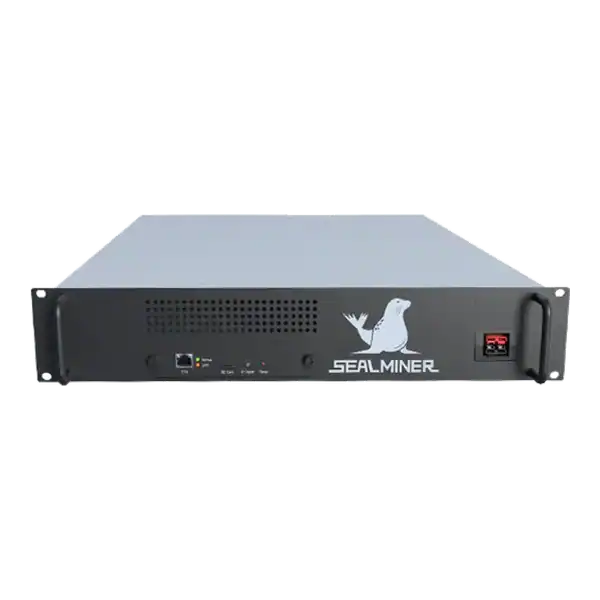

886TH
HASHRATE
9.45W/TH
EFFICIENCY
8373W
POWER
£798.41
EST. MONTHLY
NO PAYBACK
EST. ROI
Bitcoin mining as a flexible load can support demand response. Learn how to measure curtailment, protect ASIC equipment and assess a UK contract.

Bitcoin mining as a flexible load is possible because ASIC miners can reduce or stop electricity use without abandoning a partly completed physical product. That technical feature is useful only when control, metering, commercial terms and safe restart procedures turn it into dependable flexibility. This guide explains the practical UK position without treating mining as a battery or making unsupported environmental claims.
Bitcoin mining as a flexible load: Flexible demand changes when or how much electricity a customer uses in response to a price, network or system signal.
A site operator wants to understand Bitcoin mining as a flexible load. A site may lower demand during a constrained period, move consumption into another period, or in some services increase demand when that action is useful.
Flexible demand changes when or how much electricity a customer uses in response to a price, network or system signal. A site may lower demand during a constrained period, move consumption into another period, or in some services increase demand when that action is useful.
National Energy System Operator describes its Demand Flexibility Service as a route for homes and businesses to be rewarded for changing when they use electricity.
Bitcoin mining is unusual among industrial loads because the useful output is a stream of independent hash attempts. Turning a miner off does not spoil material in a furnace or leave an unfinished batch. A machine can normally resume hashing after power, cooling, network and pool service return. That makes curtailment technically possible. But not automatically valuable to an electricity system.
The dependable quantity is what the site can change at the required time and sustain for the contracted duration. It must be measured against the programme’s approved baseline. Installed megawatts, an electricity bill or a miner dashboard cannot by themselves prove delivered flexibility.

A fleet consists of many similar units. So an operator can divide it into stages. Individual racks, containers or buildings can receive a stop command while monitoring, networking and essential cooling remain powered. Supported lower power profiles may provide a smaller adjustment without a complete shutdown.
The fleet has no obligation to recover missed hashing later. If a one megawatt group is off for thirty minutes, it has consumed roughly 0.5 MWh less during that period, subject to auxiliary loads and verified metering. The economic cost is the contribution that the missing hashrate would probably have earned, plus any operational impact.
| Claim | Required evidence | Common error |
|---|---|---|
| Available reduction | Settlement meter and accepted baseline | Using ASIC nameplate total |
| Response time | Timestamped instruction and meter trace | Using control software response alone |
| Sustained delivery | Power trace for the full event | Ignoring restarts or auxiliaries |
| Commercial value | Contract revenue less lost mining margin | Counting gross credit as profit |
| Environmental benefit | Time and location matched generation data | Calling all curtailed mining green |
Define which circuits can be shed and which services must remain. Network equipment, pumps, ventilation, controls, fire systems and leak detection may need uninterrupted power. The safe sequence differs for air, hydro and immersion installations. So follow the equipment and facility design rather than applying one generic command.
Test a small group first. Record instruction time, meter response, miner state, temperatures, pool connection and recovery time. Then increase the test group while watching switchgear, cooling and communications. A fleet that restarts simultaneously can create a step change in electrical load and heat. So staged recovery is usually more controlled.
Set manual and automatic overrides. Safety trips must always outrank a market command. Staff need authority to refuse or end an event when cooling, electrical equipment, weather or network conditions make operation unsafe.
Flexibility programmes compare actual consumption with a counterfactual baseline. The rules may use historical intervals, nomination, site specific adjustment or another method. Read the current service terms before modelling revenue because a mine that frequently changes load may not fit a simple historical baseline.
Keep the settlement meter clock, fleet control system and pool monitoring on reliable time. For every test or event, retain requested power, actual power, start and finish, unavailable equipment, reason for any shortfall and restart outcome. Reconcile the provider’s settlement statement with site records.
Measure auxiliary load separately where practical. A nominal 2 MW ASIC fleet may still draw material power for pumps and ventilation after hashing stops. Promising the full 2 MW would overstate delivery if the meter falls by only 1.75 MW.
Curtailment makes commercial sense when the certain or expected value of stopping exceeds the expected mining contribution forgone and the added operational cost. Compare the same time interval and currency. Mining revenue should use accepted pool hashrate, the actual payout method and current network conditions rather than a product label.
For a simple event, estimate forgone contribution as expected mining revenue during the event minus avoided electricity and variable cooling cost. Then add staff, control, restart and contract risk. Compare that result with the flexibility payment and any bill saving. Tax and accounting treatment require professional advice.
Include opportunity cost honestly. A very efficient miner on cheap power may be expensive to curtail. At the same time, an older machine near its energy break even point can offer flexibility more cheaply. The optimal dispatch order can therefore differ from the physical rack order.
It can make sense where a controllable fleet has interval metering, secure remote control, a predictable baseline and a provider that accepts the asset. The site should be able to curtail without defeating cooling or safety controls and recover without repeated faults.
It may also suit generation located behind a constrained connection when the commercial and electrical arrangements expressly allow controllable use. The mine must not claim that consuming surplus generation is equivalent to storing electricity.
It does not make sense when the site cannot prove delivery, the agreement penalises normal mining variability, remote control is insecure or restart stress outweighs the payment. A programme may also be unsuitable below its entry threshold unless an aggregator can combine the load.
Do not proceed where the connection agreement, lease, insurance, planning position or energy contract prohibits the intended operation.
Flexible operation may help a system use assets more efficiently. But the carbon effect depends on what generation and network action changes at that place and time. Reducing load during a fossil intensive peak can have a different effect from increasing load in the same period. Consuming renewable output that would otherwise have been exported is not automatically extra renewable generation.
Keep claims narrow and evidenced. State the service, event period, measured megawatt reduction and data source. Avoid words such as carbon neutral, zero carbon, green or waste energy unless the complete claim is supported and its boundaries are clear.
Ofgem and NESO material explains demand flexibility in system terms. It does not certify a particular mine as sustainable. Treat any environmental conclusion as a separate evidence exercise.
Start with a documented trial rather than a revenue forecast. A short series of controlled tests will reveal the true response time, residual load and recovery cost.
Bitcoin mining as a flexible load: Flexible demand changes when or how much electricity a customer uses in response to a price, network or system signal.
Flexible demand changes when or how much electricity a customer uses in response to a price, network or system signal.
A fleet consists of many similar units. So an operator can divide it into stages.
Define which circuits can be shed and which services must remain. Network equipment, pumps, ventilation, controls, fire systems and leak detection may need uninterrupted power.
Bitcoin mining can provide flexible demand when a measured, controllable and contractually eligible fleet changes consumption on request. The real product is verified meter response, not installed hashrate. Build the operating sequence around electrical and cooling safety, price lost mining contribution correctly and keep environmental claims tied to evidence. A controlled trial should precede any promise of capacity.
Use The Mining Shop UK’s profitability tools to model the mining contribution at risk, then discuss fleet efficiency, controls and hosting requirements before offering ASIC capacity to a flexibility provider.
ASIC load can often be curtailed quickly. But available flexibility is the measured reduction from an agreed baseline, not the site nameplate rating. A viable scheme needs suitable metering, control, communications, electrical headroom and a contract that values lost mining revenue and restart risk.
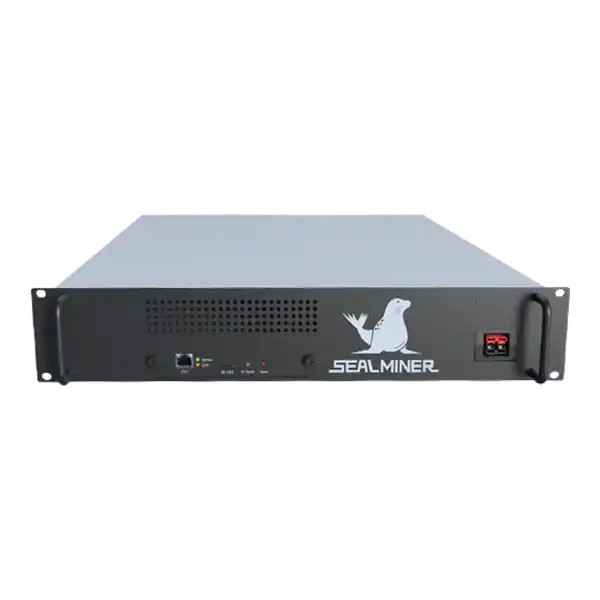

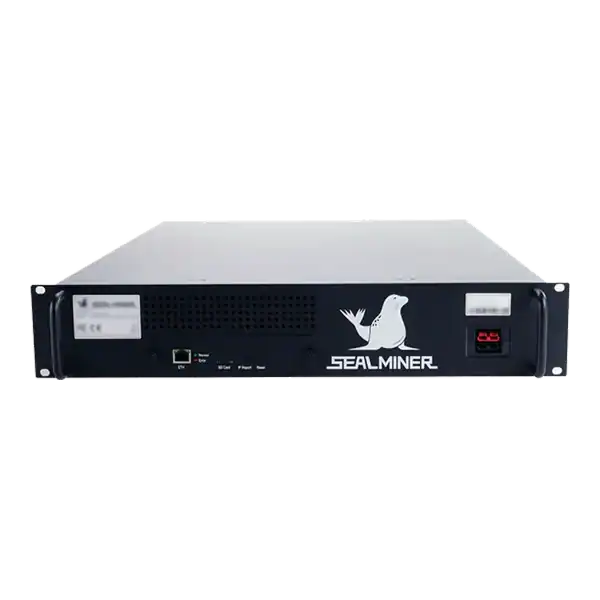
Compare the most efficient Bitcoin ASICs by J/TH, wall power, operating mode and cooling before choosing hardware for purchase or hosting.
Run an accepted J per terahash comparison using matched wall power, pool work, ambient conditions, firmware fees, rejects and stable operating modes.
Plan Bitcoin mining intermittent energy controls around minimum load, start and stop cycles, pool recovery, uptime, fixed costs and safe curtailment.
Join the ASIC Mining Discussion
Members can read and join the discussion
Log in to read comments from other miners. Create a free account if you would like to ask a question or share your experience.
Membership helps us protect the discussion from spam and keep answers useful.