

Sealminer A4 Ultra Hydro
Bitcoin & Bitcoin Cash ASIC Miner
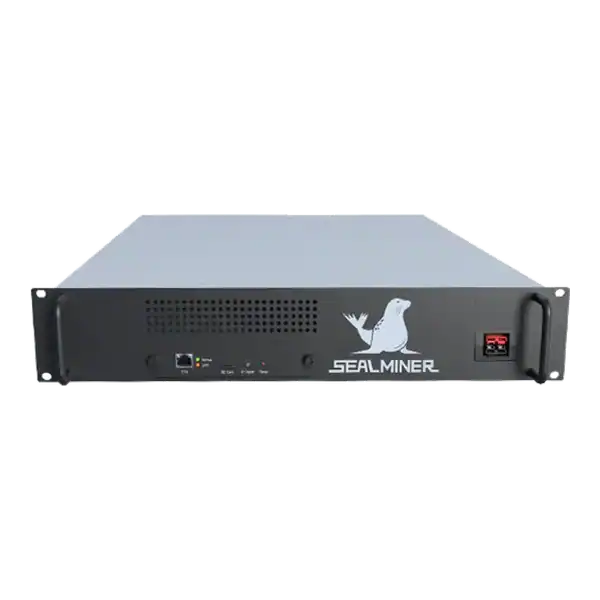

886TH
HASHRATE
9.45W/TH
EFFICIENCY
8373W
POWER
£856.08
EST. MONTHLY
NO PAYBACK
EST. ROI
Plan Bitcoin mining intermittent energy controls around minimum load, start and stop cycles, pool recovery, uptime, fixed costs and safe curtailment.
Bitcoin mining intermittent energy operation concerns how an ASIC responds when power is available in uneven blocks. The source might be wind, solar, constrained generation, negative-price periods or a demand-response instruction.
The commercial case depends on available run hours, safe start and stop control, accepted-work recovery, thermal cycling and costs that continue while the miner is off, not just the cheapest observed energy interval across the full operating year.
Bitcoin mining intermittent energy projects succeed or fail at the control boundary. Use duration data, a measured stable load and safe start and stop logic, then value only accepted productive work after fixed and cycling costs.
A site operator wants to understand Bitcoin mining intermittent energy. A cheap interval is useful when it is long, controllable and repeatable enough to support the hardware, not merely because it appears on a chart.
get timestamps for available kW, expected duration, notice and interruption frequency. Separate planned economic curtailment from unpredictable faults.
Create a duration curve showing hours above each power level. This reveals how many miners can run stably and whether a large fleet would sit idle most of the year.
Include seasonal and correlated conditions. Wind or solar sites can have long low-output periods and clustered surpluses that an annual average hides.
State whether energy is guaranteed, best endeavours or interruptible without compensation. Contract language changes the investment risk.

Measure supported stock and lower-power modes, auxiliary load, startup demand, warm-up time, accepted-share recovery and safe shutdown. Use the exact model and firmware.
An ASIC may tolerate daily controlled curtailment better than rapid repeated outages. Power supplies, connectors, fans, pumps and hashboards experience thermal and electrical cycles.
For hydro and immersion fleets, coordinate pumps and heat rejection before and after hashing. Loss of cooling while boards remain powered is a serious fault.
Do not defeat temperature, fan or electrical protection to keep a unit online through a poor energy interval.
| Input | Rule example | Purpose |
|---|---|---|
| Available power | Start above stable load plus margin | Avoid brownout |
| Minimum run time | Require expected duration | Reduce cycling |
| Stop threshold | Lower than start threshold | Add hysteresis |
| Temperature | Remain within approved range | Protect hardware |
| Pool status | Verify accepted work after start | Detect wasted load |
| Site command | Permit emergency override | Keep human safety control |
Use a programmable controller or energy-management system designed and commissioned by competent people. A consumer smart plug is not automatically suitable for high continuous current or repeated control.
Log every start, stop, reason, energy interval and accepted-work recovery. Without control evidence, revenue and equipment effects cannot be reconciled.
After power returns, the controller boots, get network settings, connects to the pool and begins submitting shares. The pool estimate can take longer to stabilise than the physical device.
Use local boot time for diagnostics and accepted pool work for commercial recovery. A short energy window can end before enough useful work is delivered.
Configure approved backup endpoints and ensure failover does not send work to an old wallet. Check DNS and time at sites that are isolated or start intermittently.
PPLNS and other reward windows can interact with frequent switching. Read the method rather than assuming every accepted share has identical immediate cash value.
Calculate miner and auxiliary kWh for actual run intervals, accepted revenue, pool fees, maintenance and control costs. Include fixed hosting, capacity, connection, lease and energy commitments that continue while off.
Allocate hardware capital over realistic productive hours. A very low energy rate can still produce poor capital use when the ASIC runs briefly and has limited resale.
Add restart loss, thermal-cycle maintenance and a lower availability case. Compare with selling, storing or curtailing the energy and with placing the hardware on firm lower-cost power.
Avoid describing stranded or curtailed power as free unless every relevant opportunity and contractual cost is genuinely zero.
Run cash timing as well as annual value. A site can show a positive annual contribution while monthly hardware, connection and maintenance payments fall due during a low-resource season with little pool income. Reserves and payment terms must survive that sequence.
The energy blocks are long and predictable enough, the miner has a supported stable profile, controls and cooling sequence safely, and net contribution survives low utilisation.
The operator also has an exit or firm-power route if the surplus pattern changes.
Frequent brownouts, unsafe switching, no cooling coordination, no accepted-work visibility or fixed energy charges can make the arrangement technically and commercially weak.
Do not use mining equipment as a substitute for correcting an unsafe or non-compliant generation connection.
Bitcoin mining intermittent energy projects succeed or fail at the control boundary. Use duration data, a measured stable load and safe start and stop logic, then value only accepted productive work after fixed and cycling costs.
get timestamps for available kW, expected duration, notice and interruption frequency. Separate planned economic curtailment from unpredictable faults.
Measure supported stock and lower-power modes, auxiliary load, startup demand, warm-up time, accepted-share recovery and safe shutdown.
Use a programmable controller or energy-management system designed and commissioned by competent people.
Bitcoin mining intermittent energy projects succeed or fail at the control boundary. Use duration data, a measured stable load and safe start and stop logic, then value only accepted productive work after fixed and cycling costs.
A cheap interval is useful when it is long, controllable and repeatable enough to support the hardware, not merely because it appears on a chart. Use a shadow-control period before automatic switching. Let the controller calculate proposed starts and stops while an operator compares them with real power, pool and thermal evidence.
Only enable automatic operation after false starts, data gaps, fail-safe behaviour, alarm delivery and manual override have been tested and formally approved together.
Use The Mining Shop UK consultancy and profitability tools to test actual productive hours and supported miner power modes.
Build a duration curve from measured available power and define the miner's stable minimum load. Average energy price alone is insufficient. Use controlled ramp, minimum run time, hysteresis, cooling coordination and pool monitoring. Repeated uncontrolled power loss can waste work and stress equipment.
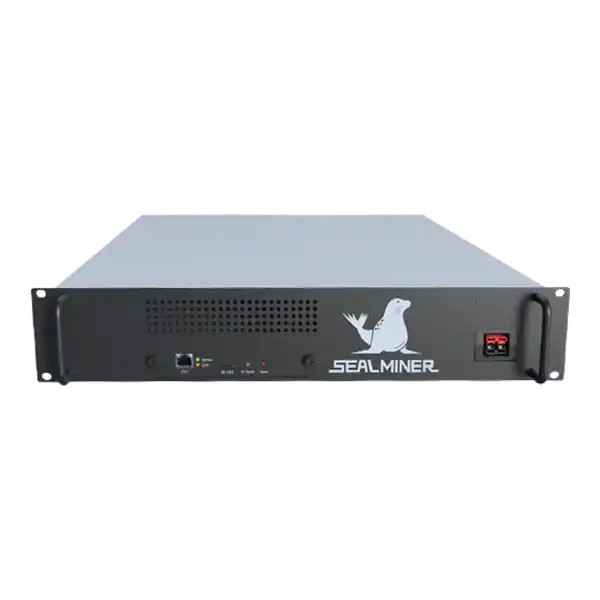

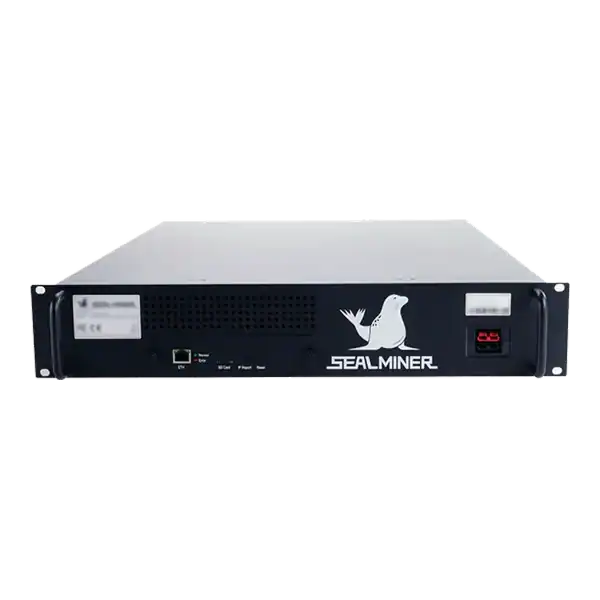
Compare the most efficient Bitcoin ASICs by J/TH, wall power, operating mode and cooling before choosing hardware for purchase or hosting.
Run an accepted J per terahash comparison using matched wall power, pool work, ambient conditions, firmware fees, rejects and stable operating modes.

Understand ASIC heat-recovery system through heat capture, airflow and controls. Check usable demand, complete costs and safety before building the system.
Join the ASIC Mining Discussion
Members can read and join the discussion
Log in to read comments from other miners. Create a free account if you would like to ask a question or share your experience.
Membership helps us protect the discussion from spam and keep answers useful.