

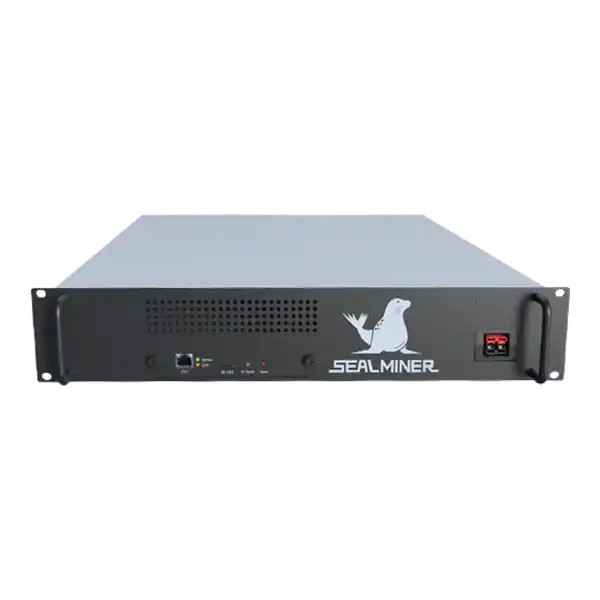
Sealminer A4 Ultra Hydro
Bitcoin & Bitcoin Cash ASIC Miner
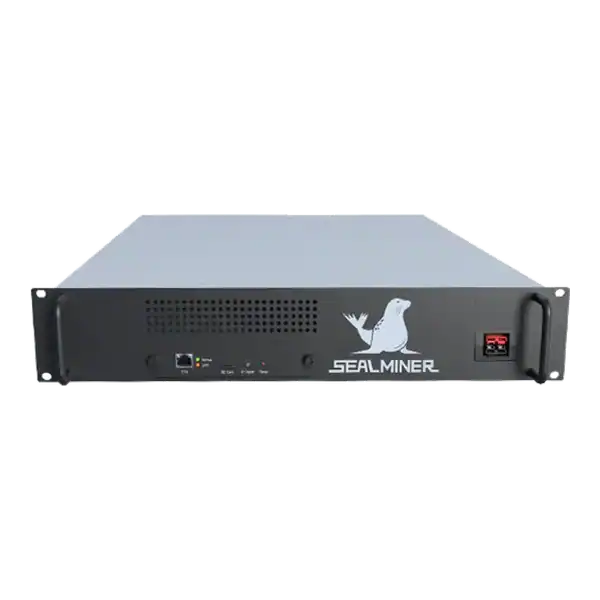

886TH
HASHRATE
9.45W/TH
EFFICIENCY
8373W
POWER
£799.14
EST. MONTHLY
NO PAYBACK
EST. ROI
Bitcoin Core 24.0.1 guide covering the unreleased 24.0 tag, header presync, full-RBF option, RPC removals, wallet defaults, Miniscript and upgrade checks.
This guide explains Bitcoin Core 24.0.1 release in plain English. It summarises the important changes, who they affect and what should be checked before an upgrade.
Bitcoin Core 24.0.1 release: Deploy 24.0.1, not the unannounced 24.0 tag. Record the exact binary hash, signature verification, configuration snapshot, data directory and prior executable.
A node operator is checking Bitcoin Core 24.0.1 release. Low-work peer headers enter a presync phase before permanent storage, reducing denial-of-service exposure.
Deploy 24.0.1, not the unannounced 24.0 tag. Record the exact binary hash, signature verification, configuration snapshot, data directory and prior executable.
Low-work peer headers enter a presync phase before permanent storage, reducing denial-of-service exposure. Initial header sync can take longer and may repeat after a peer disconnects.
mempoolfullrbf was introduced but defaulted off. The wallet and raw-transaction RPCs defaulted new transactions to opt-in RBF; zero-confirmation acceptance still cannot guarantee finality.

Soft-fork status moved solely to getdeploymentinfo, received-by RPCs always included coinbase receipts and mempool fee fields moved under the fees object. Update parsers before rollout.
sendall, gettxspendingprevout and simulaterawtransaction added useful wallet and mempool workflows, but each has a narrow result boundary and requires controlled test vectors.
P2WSH Miniscript import became available for watch-only tracking, while Core could not yet spend from those descriptors. Taproot descriptors gained multi_a and sortedmulti_a.
Node operators test the release on a representative non-production system. They check startup, normal operation, failure handling and restart before changing a live node. Connected wallets, monitoring and mining services should also be checked.
Bitcoin Core 24.0.1 release: Deploy 24.0.1, not the unannounced 24.0 tag.
Deploy 24.0.1, not the unannounced 24.0 tag. Record the exact binary hash, signature verification, configuration snapshot, data directory and prior executable.
Low-work peer headers enter a presync phase before permanent storage, reducing denial-of-service exposure.
mempoolfullrbf was introduced but defaulted off. The wallet and raw-transaction RPCs defaulted new transactions to opt-in RBF.
Bitcoin Core 24.0.1 combined policy, networking, wallet and API changes. A safe deployment treats defaults and removed fields as explicit migration work and verifies node, wallet and service behaviour before production traffic resumes.
Check the current specification status and the documentation for the exact implementation you operate before moving production funds or changing a mining node.



Bitcoin Core 29.4 guide covering repeated chainstate rewrites, regular compaction, LevelDB seek compaction, transaction-data lifetime and wallet sizing fixes.

Bitcoin Core 31.1 guide covering the private-broadcast IP leak fix, proxy reconnections, chainstate compaction, BDB migration and settings-write safety.

Bitcoin Core 30.3 guide covering excessive chainstate I/O, regular compaction, wallet bump and coin-selection fixes, PSBT, MuSig2 and build maintenance.
Join the ASIC Mining Discussion
Members can read and join the discussion
Log in to read comments from other miners. Create a free account if you would like to ask a question or share your experience.
Membership helps us protect the discussion from spam and keep answers useful.