

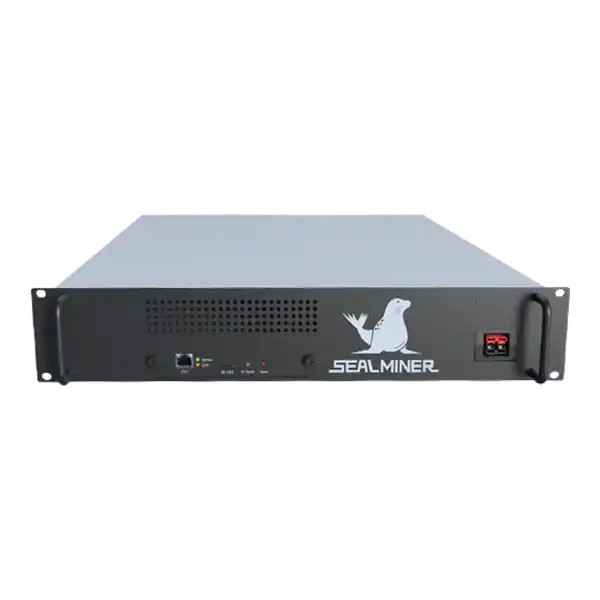
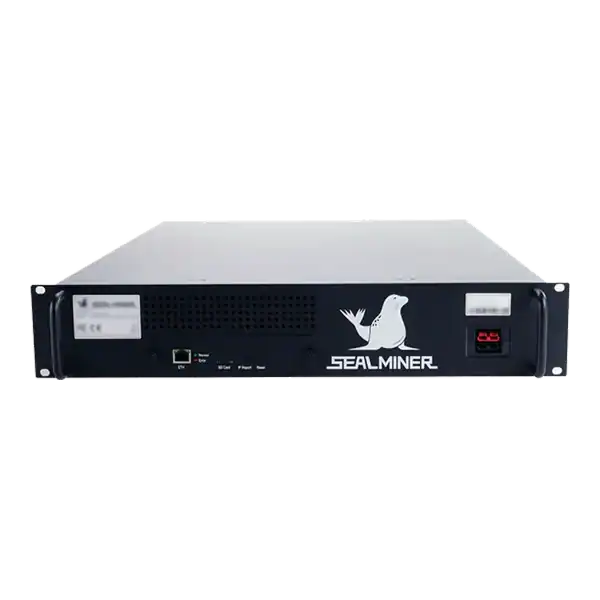
Sealminer A4 Ultra Hydro
Bitcoin & Bitcoin Cash ASIC Miner
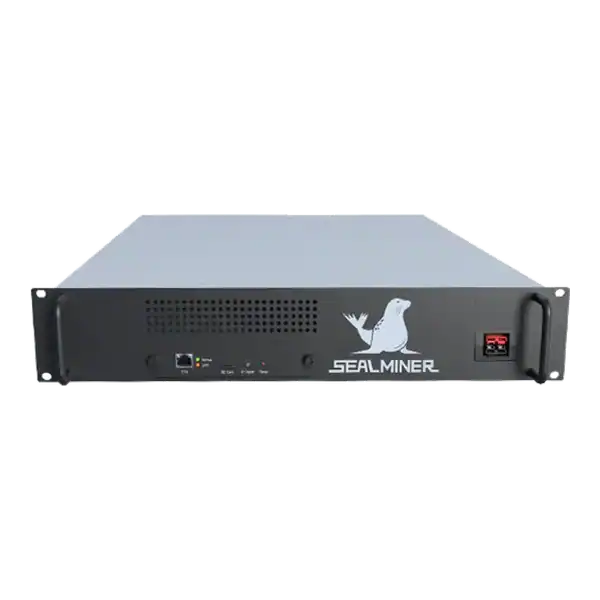

886TH
HASHRATE
9.45W/TH
EFFICIENCY
8373W
POWER
£857.66
EST. MONTHLY
NO PAYBACK
EST. ROI
Bitcoin Core 0.21 psbtbumpfee guide covering wallet and mempool prerequisites, sat/vB fees, change handling, replacement policy, PSBT review and signing.
This guide explains Bitcoin Core psbtbumpfee RPC in plain English. It shows what the command does, what its result means and what it cannot prove.
Bitcoin Core psbtbumpfee RPC: The txid must identify an opt-in-RBF transaction in the selected wallet. Core fails when the wallet or mempool already contains a transaction spending an output of the original, so reconcile replacement state first.
A miner is checking Bitcoin Core psbtbumpfee RPC. Compare recipient scripts and amounts, input set, fee, vsize, locktime, sequences and change ownership. In 0.21 fee_rate is satoshis per virtual byte, replacing the pre-0.21 BTC-per-kilobyte unit.
The txid must identify an opt-in-RBF transaction in the selected wallet. Core fails when the wallet or mempool already contains a transaction spending an output of the original, so reconcile replacement state first.
In 0.21 fee_rate is satoshis per virtual byte, replacing the pre-0.21 BTC-per-kilobyte unit. Pin the RPC version and reject ambiguous configuration during mixed-version migrations.
Without fee_rate the wallet uses estimatesmartfee, optionally with a block confirmation target and economical or conservative mode. An explicit rate must satisfy replacement and incremental relay requirements.

All original inputs remain. Core can reduce change, add inputs or create a new change output. Compare recipient scripts and amounts, input set, fee, vsize, locktime, sequences and change ownership.
The default leaves the replacement BIP 125 replaceable. Setting false raises qualifying sequence numbers, but unconfirmed replaceable ancestors can still make practical replacement possible.
The response includes base64 PSBT, original fee, new fee and an errors array. It is a proposal, not evidence of signatures, broadcast, mempool acceptance or confirmation.
Decode and analyse on a trusted node, show the fee delta and recipient invariants to approvers, sign using isolated devices, finalise, test mempool acceptance and broadcast once under idempotent controls. Build a revision-pinned evidence pack on an isolated node, wallet or protocol harness. Record source commit, binary hash, network, chain identity, configuration and dependencies.
Bitcoin Core psbtbumpfee RPC: The txid must identify an opt-in-RBF transaction in the selected wallet.
The txid must identify an opt-in-RBF transaction in the selected wallet.
In 0.21 fee_rate is satoshis per virtual byte, replacing the pre-0.21 BTC-per-kilobyte unit.
Without fee_rate the wallet uses estimatesmartfee, optionally with a block confirmation target and economical or conservative mode.
psbtbumpfee separates fee replacement construction from signing, which is useful for controlled custody. That safety exists only when operators verify the new fee, every output, any added input and the replacement state before authorisation.
Check the current specification status and the documentation for the exact implementation you operate before moving production funds or changing a mining node.

Bitcoin Core 26 getprioritisedtransactions guide covering fee deltas, mempool presence, persistence, mining policy, reconciliation and safe operator use.
Bitcoin Core descriptorprocesspsbt RPC made simple. See what the feature does, where its limits sit and which checks node or wallet operators should make.
Bitcoin Core 22 enumeratesigners guide covering the signer command, master fingerprints, device names, experimental support, failure modes and safe inventory checks.
Join the ASIC Mining Discussion
Members can read and join the discussion
Log in to read comments from other miners. Create a free account if you would like to ask a question or share your experience.
Membership helps us protect the discussion from spam and keep answers useful.