

Sealminer A4 Ultra Hydro
Bitcoin & Bitcoin Cash ASIC Miner
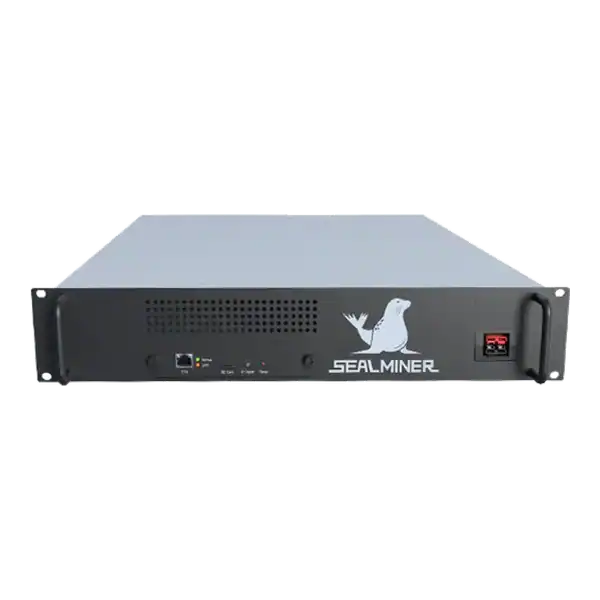

886TH
HASHRATE
9.45W/TH
EFFICIENCY
8373W
POWER
£856.08
EST. MONTHLY
NO PAYBACK
EST. ROI
Bitcoin Core 28 createwalletdescriptor guide covering address types, internal and external descriptors, HD-key selection, encryption, backups and verification.
This guide explains Bitcoin Core createwalletdescriptor RPC in plain English. It shows what the command does, what its result means and what it cannot prove.
Bitcoin Core createwalletdescriptor RPC: Use a cloned wallet first, confirm the missing type, inventory keys, unlock locally, call once, verify both branches, label test addresses and complete backup recovery.
A miner is checking Bitcoin Core createwalletdescriptor RPC. Record source commit, binary hash, network, chain identity, configuration and dependencies. Create and verify a new post-change backup before receiving funds under the new descriptor.
The required type is legacy, p2sh-segwit, bech32 or bech32m. The wallet rejects a type for which it already has the corresponding descriptor.
By default both receiving and change descriptors are generated. The internal option can restrict creation to change when true or receiving when false.
The optional hdkey selects a key already known by the wallet and listed by gethdkeys. The wallet must possess the private key for the selected HD key.

An encrypted wallet must first be unlocked with walletpassphrase. Keep the unlock duration short and never expose passphrases in command history or logs.
The descs array returns the public descriptors added. Preserve their exact strings and checksums, compare them with listdescriptors and derive sample addresses.
A pre-change backup cannot describe descriptors added afterward. Create and verify a new post-change backup before receiving funds under the new descriptor.
Use a cloned wallet first, confirm the missing type, inventory keys, unlock locally, call once, verify both branches, label test addresses and complete backup recovery. Build a revision-pinned evidence pack on an isolated node, wallet or protocol harness. Record source commit, binary hash, network, chain identity, configuration and dependencies.
Bitcoin Core createwalletdescriptor RPC: Use a cloned wallet first, confirm the missing type, inventory keys, unlock locally, call once, verify both branches, label test addresses and complete backup recovery.
The required type is legacy, p2sh-segwit, bech32 or bech32m. The wallet rejects a type for which it already has the corresponding descriptor.
By default both receiving and change descriptors are generated. The internal option can restrict creation to change when true or receiving when false.
The optional hdkey selects a key already known by the wallet and listed by gethdkeys.
createwalletdescriptor is a convenient policy upgrade, not a routine read call. Treat it as a controlled wallet mutation and prove descriptor derivation, signing and recovery before publishing any new address.
Check the current specification status and the documentation for the exact implementation you operate before moving production funds or changing a mining node.
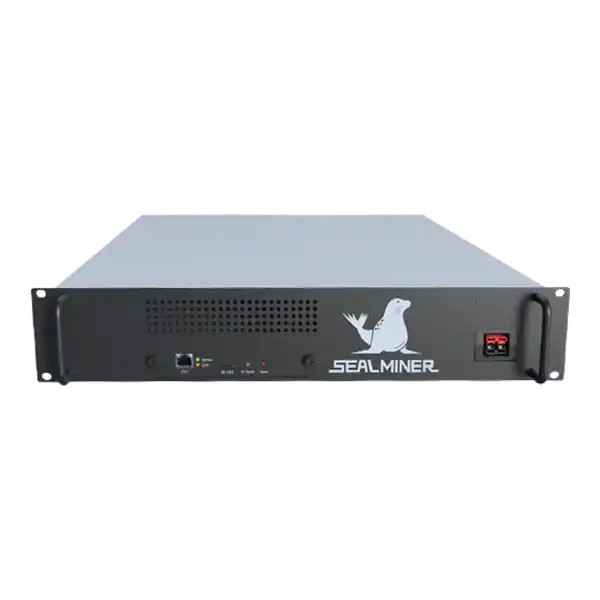

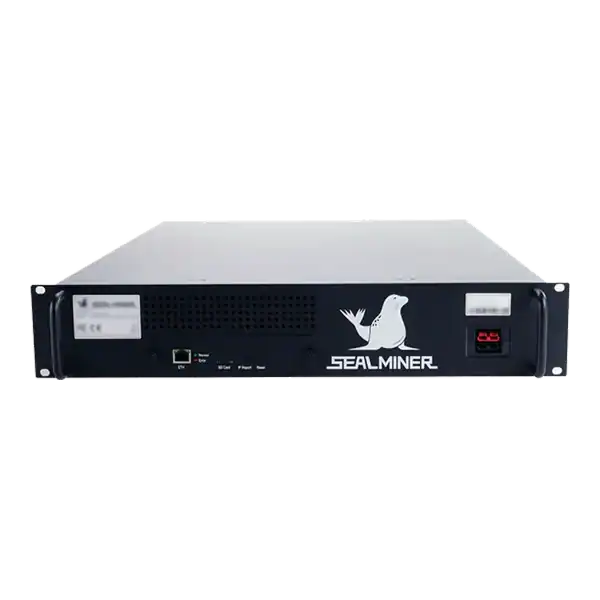
Bitcoin Core 29 getdescriptoractivity guide covering block lists, descriptor ranges, mempool inclusion, receive and spend events, privacy and safe reconciliation.
Bitcoin Core 28 gethdkeys guide covering active filtering, xpubs, optional xprvs, descriptor mapping, RPC permissions, privacy and safe wallet audits.
Bitcoin Core 26 importmempool guide covering untrusted files, entry times, fee deltas, unbroadcast metadata, validation, monitoring and rollback.
Join the ASIC Mining Discussion
Members can read and join the discussion
Log in to read comments from other miners. Create a free account if you would like to ask a question or share your experience.
Membership helps us protect the discussion from spam and keep answers useful.