

Sealminer A4 Ultra Hydro
Bitcoin & Bitcoin Cash ASIC Miner
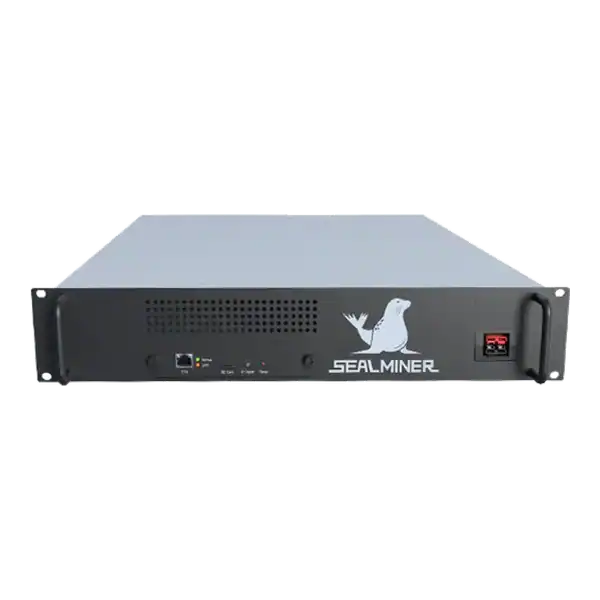

886TH
HASHRATE
9.45W/TH
EFFICIENCY
8373W
POWER
£856.08
EST. MONTHLY
NO PAYBACK
EST. ROI
Bitcoin Core 29 getdescriptoractivity guide covering block lists, descriptor ranges, mempool inclusion, receive and spend events, privacy and safe reconciliation.

This guide explains Bitcoin Core getdescriptoractivity RPC in plain English. It shows what the command does, what its result means and what it cannot prove.
Bitcoin Core getdescriptoractivity RPC: Each scan object is a descriptor string or an object with desc and a derivation range. Validate checksums and cap ranges to avoid accidental expensive scans.
A miner is checking Bitcoin Core getdescriptoractivity RPC. Disable it for a confirmed-only report and label unconfirmed events explicitly when enabled. Every supplied hash must identify a block on the active main chain or the call errors.
Every supplied hash must identify a block on the active main chain or the call errors. Preserve the tip and block set used so later reorganisations can be reconciled.
Each scan object is a descriptor string or an object with desc and a derivation range. Validate checksums and cap ranges to avoid accidental expensive scans.
include_mempool defaults true and adds local unconfirmed activity. Disable it for a confirmed-only report and label unconfirmed events explicitly when enabled.

Receive records include BTC amount, transaction and output identity, optional block context and decoded output script information. Convert BTC exactly to satoshis.
Spend records identify both spending input and previous output plus decoded previous script. Join by outpoint, not by address labels or assumed transaction order.
The call can take minutes and reveal sensitive descriptor and transaction topology. Keep RPC private, use controlled timeouts and avoid retaining unnecessary script data.
Deduplicate events, handle reorgs and mempool disappearance, compare with full transaction data and prove balances from ordered receives and spends rather than summing blindly. Build a revision-pinned evidence pack on an isolated node, wallet or protocol harness. Record source commit, binary hash, network, chain identity, configuration and dependencies.
Bitcoin Core getdescriptoractivity RPC: Each scan object is a descriptor string or an object with desc and a derivation range.
Every supplied hash must identify a block on the active main chain or the call errors.
Each scan object is a descriptor string or an object with desc and a derivation range.
include_mempool defaults true and adds local unconfirmed activity. Disable it for a confirmed-only report and label unconfirmed events explicitly when enabled.
getdescriptoractivity provides a flexible descriptor-centred event view, but its correctness depends on the exact blocks, ranges and mempool snapshot supplied. Reliable systems retain that context and reconcile every outpoint through chain changes.
Check the current specification status and the documentation for the exact implementation you operate before moving production funds or changing a mining node.

Bitcoin Core 28 gethdkeys guide covering active filtering, xpubs, optional xprvs, descriptor mapping, RPC permissions, privacy and safe wallet audits.
Bitcoin Core 28 createwalletdescriptor guide covering address types, internal and external descriptors, HD-key selection, encryption, backups and verification.
Bitcoin Core 26 importmempool guide covering untrusted files, entry times, fee deltas, unbroadcast metadata, validation, monitoring and rollback.
Join the ASIC Mining Discussion
Members can read and join the discussion
Log in to read comments from other miners. Create a free account if you would like to ask a question or share your experience.
Membership helps us protect the discussion from spam and keep answers useful.