
Pre-order
Overall ranking

Equihash
·
ZEC
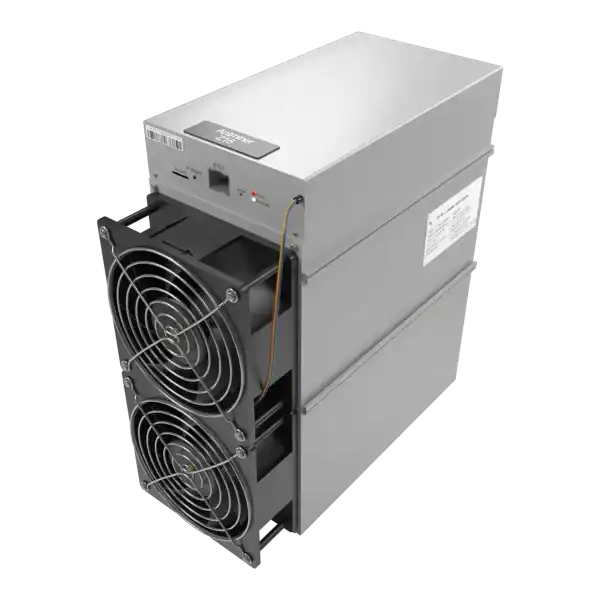
Overall rank#1of 100AvailableAll: #2 / 831

Pre-OrderFree Shipping
Hashrate
525KSOL
Efficiency
4.73W/KSOL
Power
2483W
Earns/kWh
40.2p
Bitcoin Core 0.16 getrawchangeaddress guide covering raw transaction change, address types, keypool state, output verification, backups and privacy.
This guide explains Bitcoin Core getrawchangeaddress RPC in plain English. It shows what the command does, what its result means and what it cannot prove.
Bitcoin Core getrawchangeaddress RPC: Change equals selected inputs minus recipient outputs and fee, subject to dust and policy. Use satoshi integer arithmetic, not floating point.
A miner is checking Bitcoin Core getrawchangeaddress RPC. Use this RPC only when a raw transaction workflow genuinely manages its own change. Decode the signed transaction and confirm recipient, change, fee, locktime and replaceability before broadcast.
Use this RPC only when a raw transaction workflow genuinely manages its own change. Ordinary receive invoices belong to getnewaddress. Mixing the purposes can expose internal wallet structure, cause reconciliation mistakes and encourage address reuse.
Select legacy, p2sh-segwit or bech32 according to the intended wallet policy and signer support. An omitted value follows changetype and can vary between deployments. Confirm the final script type after transaction construction instead of trusting a string passed earlier.
Each call reserves new wallet destination state even if the transaction is abandoned. Retry loops can consume keypool entries and create unused addresses. Make generation idempotent at the application layer and test locked or depleted keypool failure without logging secrets.

Change equals selected inputs minus recipient outputs and fee, subject to dust and policy. Use satoshi integer arithmetic, not floating point. A no-change transaction must contain no fabricated output. Prefer proven wallet funding APIs where manual control is unnecessary.
Bind the generated destination to one transaction draft, add it once, then sign with the intended wallet or external signer. Decode the signed transaction and confirm recipient, change, fee, locktime and replaceability before broadcast.
Change heuristics can link wallet activity even with fresh addresses. Avoid revealing which output is change and retain recovery material that covers derived destinations. A seed or wallet backup must be tested through an actual rescan of change-bearing transactions.
Operators test the command on a non-production node first. They check a normal reply, an invalid request, a timeout and a restart. This shows what the response means and prevents one local result from being mistaken for a network-wide outcome.
Bitcoin Core getrawchangeaddress RPC: Change equals selected inputs minus recipient outputs and fee, subject to dust and policy.
Use this RPC only when a raw transaction workflow genuinely manages its own change.
Select legacy, p2sh-segwit or bech32 according to the intended wallet policy and signer support.
Each call reserves new wallet destination state even if the transaction is abandoned.
getrawchangeaddress is a low-level wallet-state operation for controlled raw transaction workflows. It is safe only when change arithmetic, retries, signing, output verification and recovery are handled as one auditable process.
Check the current specification status and the documentation for the exact implementation you operate before moving production funds or changing a mining node.

Bitcoin Core 29 getdescriptoractivity guide covering block lists, descriptor ranges, mempool inclusion, receive and spend events, privacy and safe reconciliation.
Bitcoin Core 28 gethdkeys guide covering active filtering, xpubs, optional xprvs, descriptor mapping, RPC permissions, privacy and safe wallet audits.
Bitcoin Core 28 createwalletdescriptor guide covering address types, internal and external descriptors, HD-key selection, encryption, backups and verification.

Join the ASIC Mining Discussion
Members can read and join the discussion
Log in to read comments from other miners. Create a free account if you would like to ask a question or share your experience.
Membership helps us protect the discussion from spam and keep answers useful.