
Pre-order
Overall ranking

Equihash
·
ZEC
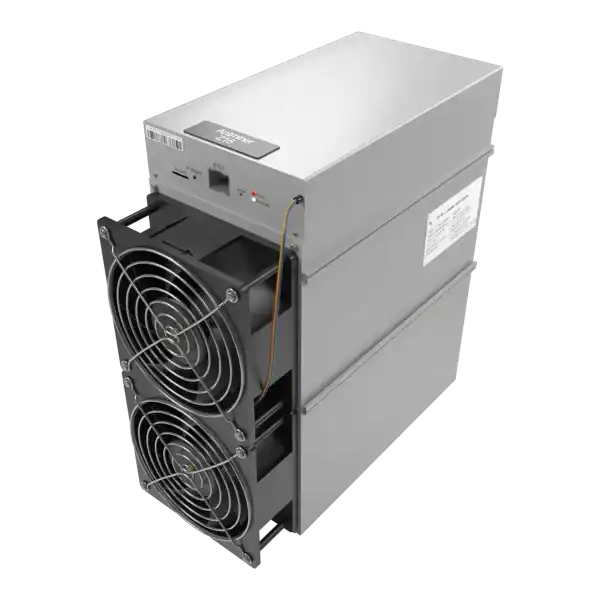
Overall rank#1of 100AvailableAll: #2 / 831

Pre-OrderFree Shipping
Hashrate
525KSOL
Efficiency
4.73W/KSOL
Power
2483W
Earns/kWh
40.2p
Bitcoin Core 0.16 getrawmempool guide covering terse and verbose inventory, virtual sizes, package fees, dependencies, resource limits and races.
This guide explains Bitcoin Core getrawmempool RPC in plain English. It shows what the command does, what its result means and what it cannot prove.
Bitcoin Core getrawmempool RPC: Default false returns txids with no guaranteed business ordering. It is appropriate for set comparison and selecting bounded follow-up queries.
A miner is checking Bitcoin Core getrawmempool RPC. Stream or page within the consuming service because a busy node can return a large array even if the RPC itself is one response.
Default false returns txids with no guaranteed business ordering. It is appropriate for set comparison and selecting bounded follow-up queries. Stream or page within the consuming service because a busy node can return a large array even if the RPC itself is one response.
Verbose true duplicates a full entry object for every mempool transaction and can consume significant CPU, memory, bandwidth and parser time. Prefer getmempoolentry for known targets. Authenticate RPC and set response, concurrency and timeout limits.
size is virtual bytes; fee is BTC; modified and aggregate fees incorporate local prioritisation deltas; time is local Unix admission time. Counts aggregate node-local ancestor or descendant packages. Preserve these semantics and do not blend them with modern schemas silently.

The mempool can change while a caller processes the result. A transaction may confirm, be replaced or evicted before a follow-up. Treat each response as an observation with node, tip and time context, and handle not-found without converting it into a false rejection.
Nodes receive different transactions and apply different local policy. Compare set overlap for diagnostics, not exact equality as a health requirement. Investigate sustained divergence alongside peers, fee floors, restart history and chain state.
Bulk inventory can reveal what the node has seen and invite correlation with business activity. Keep access private, minimise retention and separate customer mappings. Do not export peer data with transaction first-seen observations unless an approved incident requires it.
Operators test the command on a non-production node first. They check a normal reply, an invalid request, a timeout and a restart. This shows what the response means and prevents one local result from being mistaken for a network-wide outcome.
Bitcoin Core getrawmempool RPC: Default false returns txids with no guaranteed business ordering. It is appropriate for set comparison and selecting bounded follow-up queries.
Default false returns txids with no guaranteed business ordering. It is appropriate for set comparison and selecting bounded follow-up queries.
Verbose true duplicates a full entry object for every mempool transaction and can consume significant CPU, memory, bandwidth and parser time.
size is virtual bytes. Fee is BTC. Modified and aggregate fees incorporate local prioritisation deltas.
getrawmempool can expose the complete local pending set, but completeness is precisely why it requires strict access and resource controls. Its output is transient local policy state, not network consensus.
Check the current specification status and the documentation for the exact implementation you operate before moving production funds or changing a mining node.
Bitcoin Core 31 getprivatebroadcastinfo guide covering queued transactions, txid and wtxid, raw hex, per-peer sent and acknowledgement times, privacy and monitoring.
Bitcoin Core 31 getmempoolcluster guide covering cluster membership, adjusted weight, mining-order chunks, fees, missing transactions and safe analytics.

Bitcoin Core 31 abortprivatebroadcast guide covering txid and wtxid matching, multiple removals, returned raw transactions, queue-only limits and safe operation.

Join the ASIC Mining Discussion
Members can read and join the discussion
Log in to read comments from other miners. Create a free account if you would like to ask a question or share your experience.
Membership helps us protect the discussion from spam and keep answers useful.