
Pre-order
Overall ranking

Equihash
·
ZEC
Overall rank#1of 100AvailableAll: #2 / 831
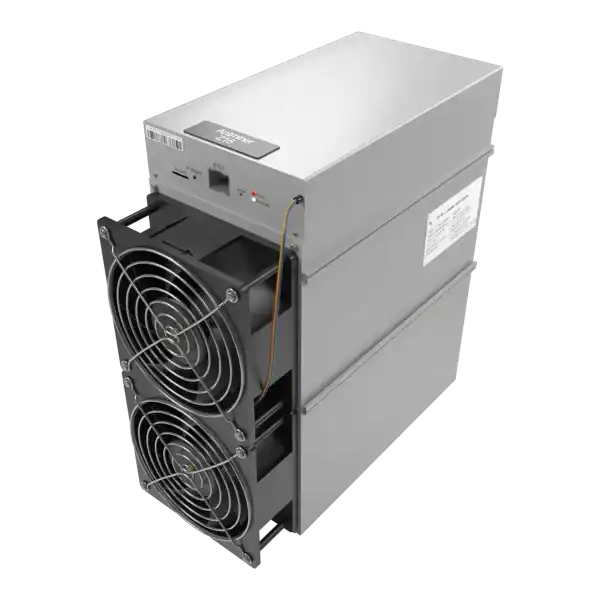

Pre-OrderFree Shipping
Hashrate
525KSOL
Efficiency
4.73W/KSOL
Power
2483W
Earns/kWh
39.8p
Bitcoin Core 0.16 getaccountaddress guide covering deprecated accounts, implicit creation, current receive addresses, reuse risks, backups and migration.
This guide explains Bitcoin Core getaccountaddress RPC in plain English. It shows what the command does, what its result means and what it cannot prove.
Bitcoin Core getaccountaddress RPC: Core 0.16 added address-type controls elsewhere, but legacy account workflows and defaults can vary with node configuration.
A miner is checking Bitcoin Core getaccountaddress RPC. Validate encoding, length and business mapping before the call. A returned address should not be given to a customer before monitoring and recovery tests pass.
The required account string can be a name or empty string for the default account. Validate encoding, length and business mapping before the call. User-controlled names should not become wallet labels directly because they can leak personal data and create unbounded wallet metadata.
If the account did not exist, the historical call could create it and generate a new address. Treat the RPC as a wallet mutation with backup and keypool implications, not a harmless getter. Idempotency tests must distinguish repeated retrieval of the current address from creating a new account under a typo.
A current receiving address is not necessarily a fresh address for each invoice. Reuse harms privacy and complicates attribution when several payments share one destination. Modern merchant systems should request a unique address or descriptor-derived script per deposit and store that immutable association in their own ledger.

Core 0.16 added address-type controls elsewhere, but legacy account workflows and defaults can vary with node configuration. Decode the returned address into its script and verify network and intended legacy or SegWit compatibility. Never infer address type solely from the account name or old client expectations.
Address generation consumes wallet derivation state and may require current backup or descriptor context depending on wallet type. Route to the correct wallet, verify keypool health and prove recovery across receive and change branches. A returned address should not be given to a customer before monitoring and recovery tests pass.
Freeze new use of account APIs, export address-label mappings and create explicit deposit records with unique identifiers. Replace account names with labels only where they remain useful human metadata, not as a financial partition. Test duplicate requests, retries and failover nodes so they cannot issue conflicting destinations.
Operators test the command on a non-production node first. They check a normal reply, an invalid request, a timeout and a restart. This shows what the response means and prevents one local result from being mistaken for a network-wide outcome.
Bitcoin Core getaccountaddress RPC: Core 0.16 added address-type controls elsewhere, but legacy account workflows and defaults can vary with node configuration.
The required account string can be a name or empty string for the default account.
If the account did not exist, the historical call could create it and generate a new address.
A current receiving address is not necessarily a fresh address for each invoice.
getaccountaddress mixed deprecated label lookup with implicit address creation. Safe migration recognises that side effect, stops account-driven reuse and moves deposit issuance into a recoverable, idempotent address service with an explicit ledger.
Check the current specification status and the documentation for the exact implementation you operate before moving production funds or changing a mining node.

Bitcoin Core 29 getdescriptoractivity guide covering block lists, descriptor ranges, mempool inclusion, receive and spend events, privacy and safe reconciliation.
Bitcoin Core 28 gethdkeys guide covering active filtering, xpubs, optional xprvs, descriptor mapping, RPC permissions, privacy and safe wallet audits.
Bitcoin Core 28 createwalletdescriptor guide covering address types, internal and external descriptors, HD-key selection, encryption, backups and verification.

Join the ASIC Mining Discussion
Members can read and join the discussion
Log in to read comments from other miners. Create a free account if you would like to ask a question or share your experience.
Membership helps us protect the discussion from spam and keep answers useful.