

Sealminer A4 Ultra Hydro
Bitcoin & Bitcoin Cash ASIC Miner
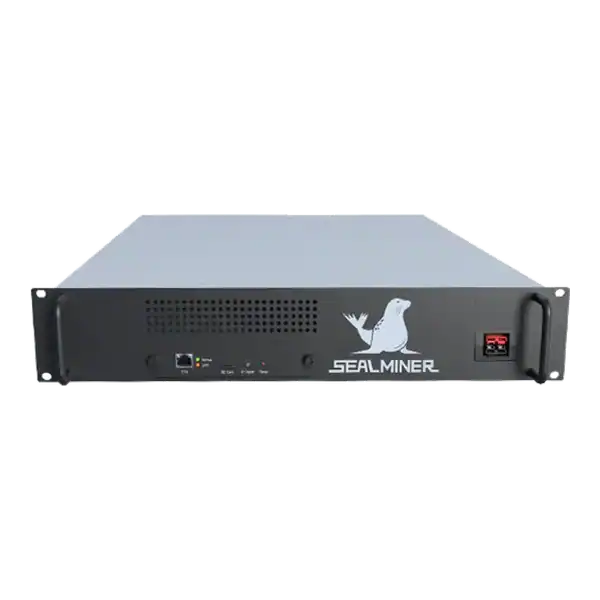

886TH
HASHRATE
9.45W/TH
EFFICIENCY
8373W
POWER
£857.66
EST. MONTHLY
NO PAYBACK
EST. ROI
Bitcoin Core 27.0 guide covering BIP324 v2 transport, XOR mempool storage, system time, TRUC policy, compatibility, testing and rollback for operators.
This guide explains Bitcoin Core 27.0 release in plain English. It summarises the important changes, who they affect and what should be checked before an upgrade.
Bitcoin Core 27.0 release: Retain the previous binary and configuration, but do not assume its mempool loader accepts the new file. Decide whether losing transient mempool state is acceptable or whether compatibility output is required before upgrade.
A node operator is checking Bitcoin Core 27.0 release. Version-3 transaction policy is opt-in and in this release applies on test networks where non-standard transactions are permitted.
BIP324 v2 transport is enabled by default. Manual connections attempt v2 and can fall back to v1, so monitor negotiated transports and reachability across firewalls, proxies and older peers.
mempool.dat is XOR-obfuscated with a local key. Older releases and external tools may not read the new file; use the documented persistmempoolv1 compatibility option only when a planned downgrade requires it.
Network-adjusted time no longer influences consensus processing. Host clock accuracy becomes more important, while a warning remains for a clock differing by more than 70 minutes from peers.

Version-3 transaction policy is opt-in and in this release applies on test networks where non-standard transactions are permitted. It is policy experimentation, not a new mainnet consensus transaction version.
libbitcoinconsensus was deprecated for removal in version 28. Applications linking it should identify the dependency and plan migration rather than discovering the removal during a later upgrade.
Node operators test the release on a representative non-production system. They check startup, normal operation, failure handling and restart before changing a live node. Connected wallets, monitoring and mining services should also be checked.
Retain the previous binary and configuration, but do not assume its mempool loader accepts the new file. Decide whether losing transient mempool state is acceptable or whether compatibility output is required before upgrade. Build a revision-pinned evidence pack on an isolated node, wallet or protocol harness.
Bitcoin Core 27.0 release: Retain the previous binary and configuration, but do not assume its mempool loader accepts the new file.
BIP324 v2 transport is enabled by default. Manual connections attempt v2 and can fall back to v1, so monitor negotiated transports and reachability across firewalls, proxies and older peers.
mempool.dat is XOR-obfuscated with a local key. Older releases and external tools may not read the new file.
Network-adjusted time no longer influences consensus processing. Host clock accuracy becomes more important, while a warning remains for a clock differing by more than 70 minutes from peers.
Bitcoin Core 27.0 improves transport privacy and modernises several node internals while changing practical compatibility boundaries. Operators should test those boundaries directly, particularly peer negotiation, mempool persistence, clock health and rollback.
Check the current specification status and the documentation for the exact implementation you operate before moving production funds or changing a mining node.
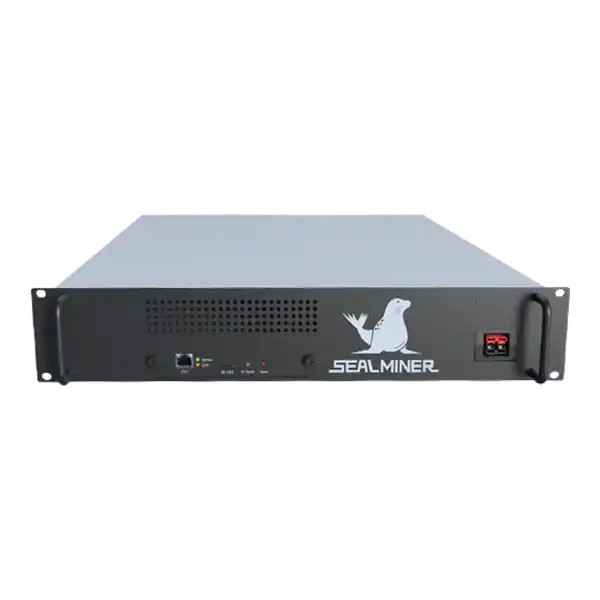

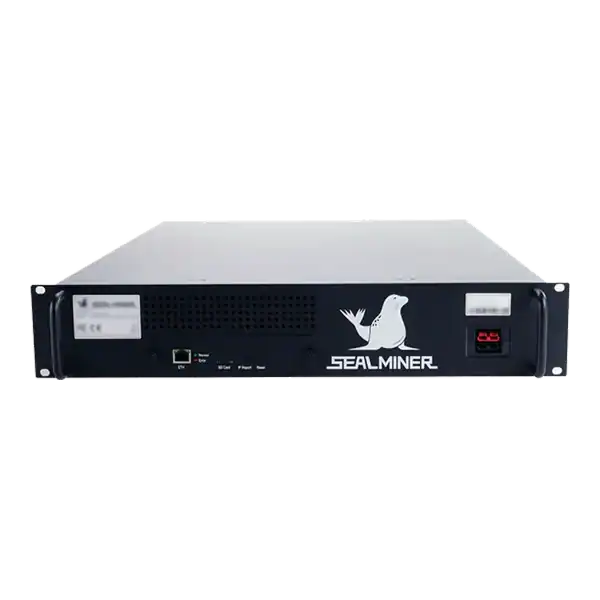

Bitcoin Core 29.4 guide covering repeated chainstate rewrites, regular compaction, LevelDB seek compaction, transaction-data lifetime and wallet sizing fixes.
Bitcoin Core 31.1 guide covering the private-broadcast IP leak fix, proxy reconnections, chainstate compaction, BDB migration and settings-write safety.
Bitcoin Core 30.3 guide covering excessive chainstate I/O, regular compaction, wallet bump and coin-selection fixes, PSBT, MuSig2 and build maintenance.
Join the ASIC Mining Discussion
Members can read and join the discussion
Log in to read comments from other miners. Create a free account if you would like to ask a question or share your experience.
Membership helps us protect the discussion from spam and keep answers useful.